

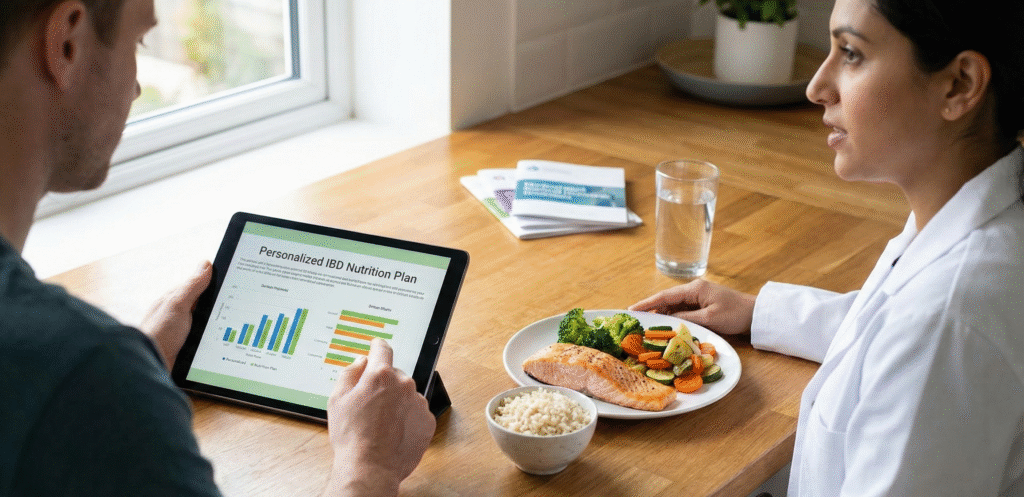
Managing chronic digestive conditions like Crohn’s disease and ulcerative colitis becomes more effective when inflammatory bowel disease personalized diet therapy is part of the treatment strategy. Although medication remains central to managing inflammation, researchers and clinicians now understand the powerful role that nutrition plays. Tailoring dietary choices to an individual’s symptoms, triggers, and nutritional needs often helps reduce flare-ups and improve quality of life.
How Inflammatory Bowel Disease Personalized Diet Therapy Works
Unlike general dietary advice, personalized diet therapy considers each person’s unique response to specific foods. This approach often involves working with a registered dietitian or a gastroenterology care team. They analyze your symptoms, medical history, current dietary habits, and lab values to create a nutrition plan that aligns with your body’s needs.
Common personalized strategies may include eliminating foods that contribute to flare-ups, like lactose, gluten, or high-fat meals. At the same time, the plan may focus on introducing healing nutrients such as omega-3 fatty acids and low-residue options that are easier to digest. Because IBD affects everyone differently, what irritates one person may be well-tolerated by another, highlighting the benefit of a tailored approach.
Key Components of an Effective Personalized Diet Plan
Personalized nutrition for IBD typically focuses on reducing gut irritation, promoting nutrient absorption, and supporting digestive repair. An individualized diet plan might include the following:
- Trigger Identification: Keeping a food and symptom journal helps reveal which meals worsen symptoms.
- Modified Fiber Intake: During flares, lowering insoluble fiber (like raw vegetables) may ease symptoms, while in remission, reintroducing fiber supports gut health.
- Nutrient Monitoring: People with IBD are often low in iron, vitamin D, B12, and calcium. Personalized plans ensure these gaps are addressed through food or supplements.
- Texture and Meal Size Adjustments: Smaller, frequent meals that are soft or blended may reduce digestive strain.
- Hydration Management: Because IBD increases the risk of dehydration, fluid needs are carefully tailored.
In addition, patients experiencing intestinal strictures or recent surgeries might require temporary liquid diets or other specialized interventions, which are safely guided by professionals.
Benefits and Limitations of Personalized Diet Therapy for IBD
One clear benefit of inflammatory bowel disease personalized diet therapy is improved symptom control. Many individuals report fewer episodes of bloating, cramps, or urgency when following a diet crafted around their body’s specific needs. Moreover, better nutritional intake can support immune function, tissue repair, and energy levels.
Personalized plans also offer emotional reassurance, giving people more control over their health. For those newly diagnosed, understanding how nutrition fits into IBD management can help reduce anxiety around eating, which is common.
However, it’s important to recognize that personalized diets are not a cure and cannot replace medical treatment. In fact, some restrictions may carry risks of nutritional deficiencies if not supervised. For example, long-term exclusion of certain food groups can lead to a lack of essential vitamins or fiber. That’s why collaboration with a clinical nutrition expert is essential for safety and lasting success.
Practical Considerations for Getting Started
Starting inflammatory bowel disease personalized diet therapy begins with tracking your diet and symptoms consistently for at least two weeks. Doing this before meeting with your healthcare provider helps paint a clear picture of patterns and problems. It’s also a wise idea to list any supplements, medications, or lifestyle factors that might interact with your digestive health.
From there, your care team can help trial an elimination diet, layered reintroductions, or even microbiome testing if appropriate. Some clinics also offer access to apps or digital platforms that make meal tracking and analysis easier over time. Most importantly, changes should be sustainable and enjoyable, not punitive or extreme.
While exploring this route, also consider budget and meal preparation time. Personalized diets may involve higher grocery costs or increased planning, especially early on. Meal planning, batch cooking, and collaboration with partners or family members can make the transition smoother and more affordable.
Looking Ahead: The Future of Diet and IBD
New research continues to uncover exciting possibilities in IBD nutrition, including precision dietary modeling using genetics, microbiome analysis, and wearable tech for real-time feedback. These tools could radically transform how inflammatory bowel disease personalized diet therapy is delivered, making it even more responsive and user-centered.
However, for now, the most reliable results still come from attentive listening to your body, informed guidance from qualified professionals, and patience. Over time, a personalized eating approach can become an empowering part of living well with IBD, not a burden.
If you’re considering a personalized dietary approach for IBD, start by speaking with your gastroenterologist or a dietitian who specializes in digestive health. Together, you can build a plan that not only supports your gut, but also your lifestyle and long-term well-being.
