

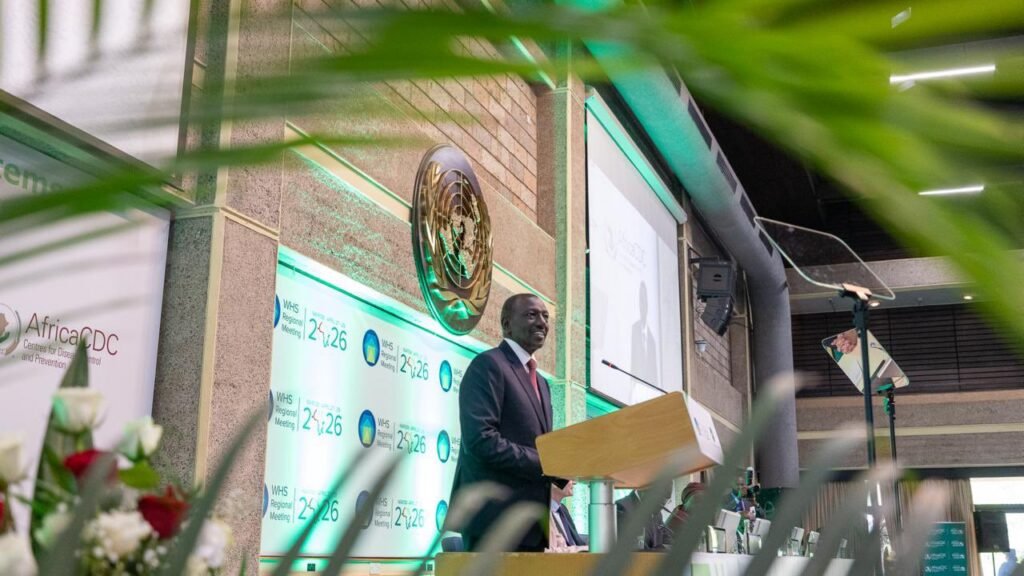
In a pivotal move for Africa’s healthcare future, Kenyan President William Ruto advocates for the continent to shift its status from a consumer to a producer of medical supplies. This proactive stance aims to reposition Africa as an influential player in the global health landscape. Consequently, such a transformation would not only bolster regional economies but also enhance health security across the continent.
Africa has traditionally relied heavily on imports for its medical supplies, which has made it vulnerable during global disruptions. However, Ruto emphasizes the importance of utilizing local resources and expertise to build a robust infrastructure that supports indigenous production. Therefore, by investing in local manufacturing, Africa can reduce dependency on foreign imports and create job opportunities, fostering economic growth.
Africa Medical Supplies Production: A Strategic Imperative
President Ruto’s vision for medical supplies production in Africa is driven by a desire for self-sufficiency and resilience. He asserts that Africa needs to take charge of its healthcare narrative and match its medical supply needs with production capabilities. This strategic imperative is vital in reducing costs associated with imports and delays caused by global supply chain issues.
Empowering Local Industries for Medical Innovation
To achieve this transformative goal, African nations need to invest in research and development, upgrading existing facilities and fostering partnerships with global medical entities. As a result, such efforts would lead to the creation of a thriving ecosystem for medical innovation on the continent.
Challenges and Opportunities in Africa Medical Supplies Production
Despite the promising vision, the path to becoming a producer is fraught with challenges. Infrastructure gaps, funding shortfalls, and regulatory hurdles remain. However, overcoming these challenges presents enormous opportunities for economic transformation. Notably, governments are called upon to provide incentives and streamline regulations to facilitate private sector participation.
While initial steps toward local production require substantial investment and policy support, the long-term benefits are clear. African nations could profoundly alter their healthcare systems and economies by capitalizing on the growing demand for locally sourced medical supplies.
Looking ahead, Africa’s journey toward becoming a global medical supply powerhouse could redefine its role in international health. This evolution will require continued commitment from both public and private sectors to achieve sustainable results and bridge current capacity gaps.
Key Takeaways
- Africa aims to become self-sufficient in medical supplies production.
- Local manufacturing can significantly boost employment and economic growth.
- Commitment from both sectors is crucial for sustainable development.
Medical Disclaimer
This content is for informational purposes only and does not replace professional medical advice.
