

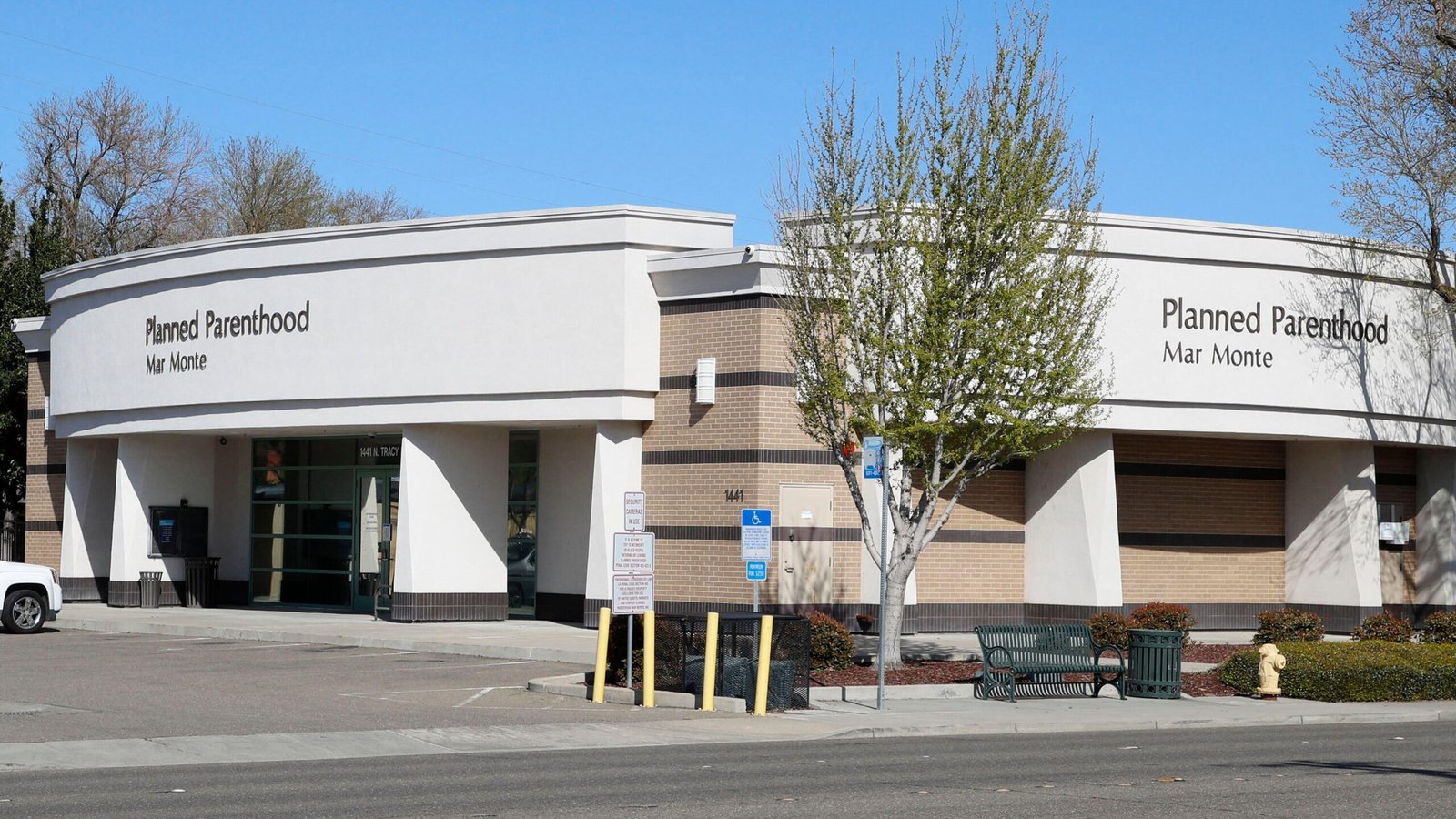
In a landscape where clinics offering Botox services are increasingly seen as a lifeline for healthcare providers, a striking transformation is under way at a Planned Parenthood clinic in California. This pivot towards cosmetic procedures is not merely a quest for revenue but highlights a broader trend where the traditional boundaries between healthcare and the beauty industry blur with unexpected consequences.
Clinics Offering Botox Services: A Strategic Turn
The integration of Botox services into Planned Parenthood’s offerings is emblematic of a strategic evolution prompted by financial exigencies. Historically focused on reproductive health services, the clinic’s shift to include aesthetic procedures signifies a response to funding challenges. In recent years, such clinics have faced dwindling resources due to regulatory changes and political pressures, compelling them to seek alternative revenue streams.
The Economic Imperative Behind Aesthetic Additions
Notably, the decision to offer Botox reflects a pragmatic approach to survival. By venturing into the lucrative realm of cosmetic procedures, clinics can bolster financial sustainability. Botox, renowned for its anti-aging effects, is a highly sought-after procedure, drawing clientele that might not otherwise frequent these healthcare centers. Consequently, it allows clinics to diversify their patient base and service offerings.
Real-World Implications of Merging Beauty and Health
The real-world implications of this merger are multifaceted. On the positive side, clinics benefit from an influx of funds which can subsidize their core healthcare services. However, this convergence risks diluting the focus on essential reproductive health care. Critics argue that the introduction of cosmetic services might overshadow fundamental services that define the clinics’ primary mission.
Policy, Healthcare, and Research Significance
From a policy perspective, this trend raises significant questions about the future of healthcare funding and service prioritization. Additionally, it challenges conventional views about healthcare’s scope, urging policymakers to reconsider healthcare as encompassing holistic well-being. Research into the long-term effects of such a shift is vital, particularly regarding resource allocation and patient outcomes. The integration also aligns with the broader discussions about Kenyan cosmetic surgery regulations demand overhaul, highlighting the need for careful consideration of the implications of blending healthcare with aesthetic services.
In conclusion, while clinics offering Botox services illustrate an adaptive strategy to address funding deficits, they also mark a broader commentary on the shifting landscape of healthcare priorities. As these lines continue to blur, the implications for public health and clinical focus remain profound, demanding careful consideration and forward-thinking policy responses.
Key Takeaways
- The integration of Botox in clinic services highlights economic pressures on healthcare providers.
- This trend offers financial stability but risks overshadowing essential health services.
- Understanding this shift is crucial for future healthcare policy and research directives.
Medical Disclaimer
This content is for informational purposes only and does not constitute medical advice.
