

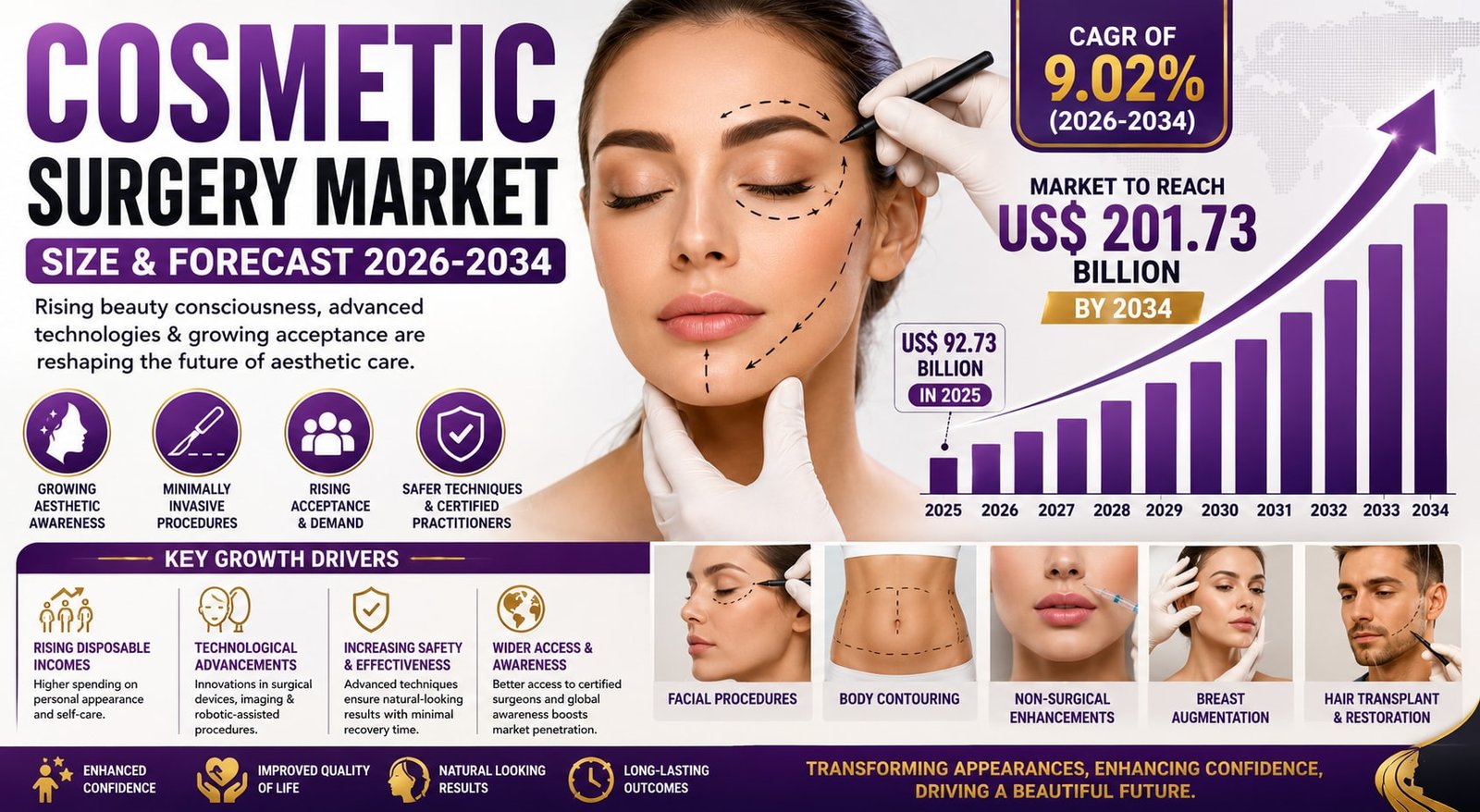
In an age driven by aesthetic consciousness, minimally invasive cosmetic procedures have emerged as a pivotal trend reshaping the landscape of personal enhancement. This subtle but significant shift towards less intrusive techniques signals a broader transformation within cosmetic surgery, fuelled by advancements in medical technology and a growing global demand. The symbiotic relationship between these minimally invasive methods and advanced technologies presents not only an evolution in surgical practices but also alters societal engagement with cosmetic interventions.
Minimally Invasive Cosmetic Procedures: Revolutionizing Aesthetic Medicine
The evolution towards minimally invasive cosmetic procedures marks a transformative era in aesthetic medicine. These procedures, distinguished by their reduced recovery time and lower risk of complications, are driving a paradigm shift from traditional surgeries. Analysts note that these methods have democratized cosmetic enhancement, making it more accessible to a wider demographic, underscoring a compelling trend in global health and beauty markets.
The Role of Technology in Minimally Invasive Procedures
Technological advancements have been instrumental in the proliferation of minimally invasive techniques. Laser treatments, radiofrequency devices, and injectable materials exemplify how innovation is pivotal in enhancing safety and efficiency. Technological progress allows practitioners to combine precision with aesthetic artistry, resulting in customized outcomes that align with individual patient desires. Consequently, this evolution reflects a broader technological renaissance affecting multiple facets of health care.
Global Demand and Cultural Integration of Minimally Invasive Procedures
As cultures worldwide embrace aesthetic modifications, minimally invasive procedures stand at the forefront of this cultural integration. Factors such as increased aesthetic awareness, media portrayal of beauty standards, and societal pressure contribute to a burgeoning demand. Data indicates a notable rise in procedures in regions traditionally resistant to cosmetic treatment, illustrating a global shift towards unified acceptance of personal enhancement as a norm rather than an exception.
Implications for Health Policy and Clinical Practice
The integration of minimally invasive procedures into clinical practice requires discerning policy development. Their popularity poses challenges regarding regulation, quality control, and equitable access. Policymakers must balance innovation with safety, ensuring robust guidelines that uphold patient safety without stifling technological progress. Furthermore, the clinical practice landscape must adapt, fostering continued education that aligns with these innovative methodologies to maintain high standards of patient care. Examining developments in UK non-surgical cosmetic regulation can provide insights into effective policy adaptations required globally.
In summation, minimally invasive cosmetic procedures are not only transforming how we perceive beauty but also how healthcare systems adapt to these evolving needs. Their ascent signals a future where aesthetic diversity and personalized enhancement could achieve unprecedented prominence, offering potent opportunities for continued research and development.
Key Takeaways
- Minimally invasive procedures are redefining cosmetic surgery by enhancing accessibility and safety.
- Advanced technology plays a critical role in driving the popularity of these procedures.
- Regulatory frameworks must adapt to support safe and widespread adoption.
Medical Disclaimer
This content is for informational purposes only and does not constitute medical advice.
