

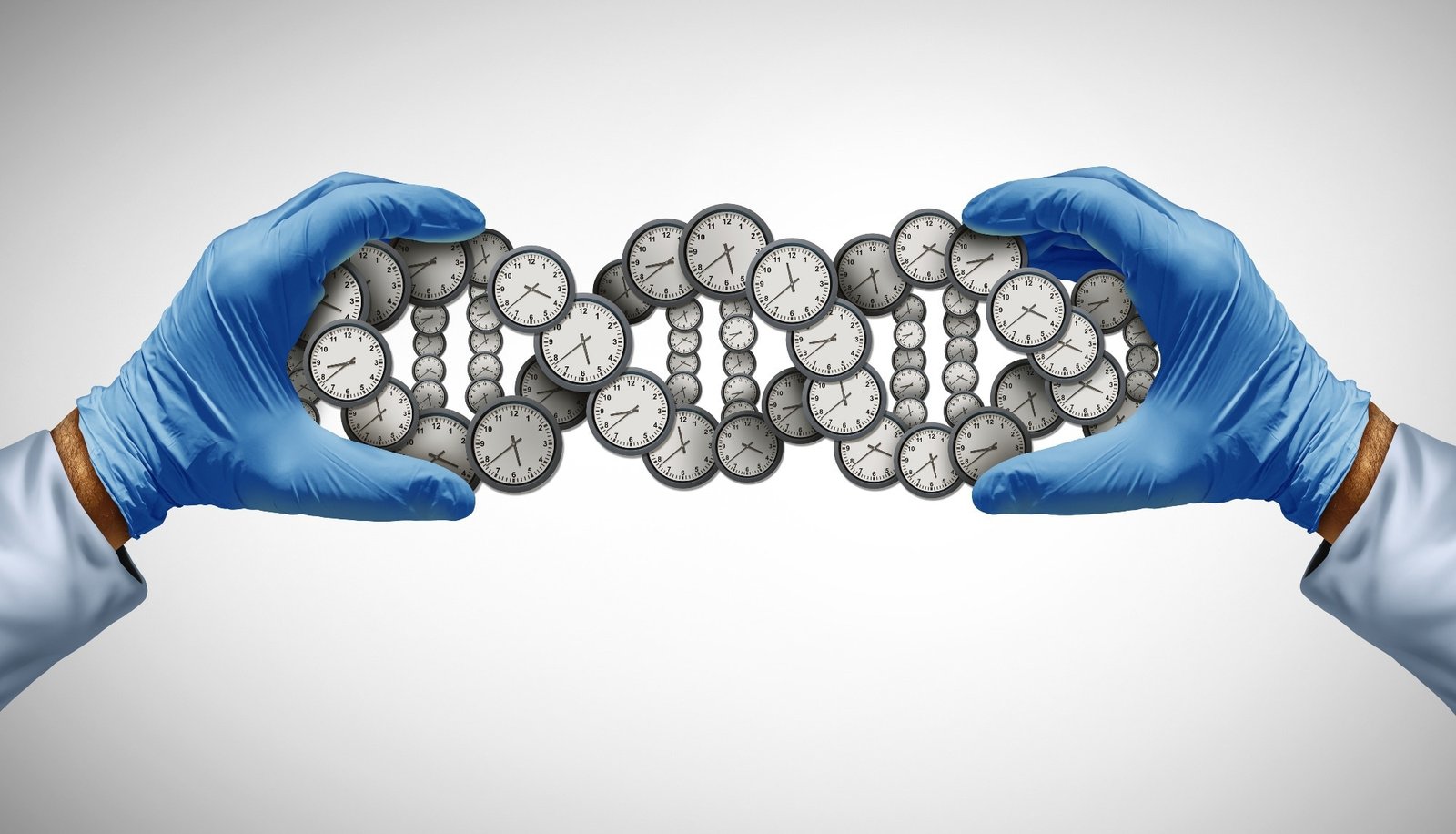
A groundbreaking study reveals that a plant-rich diet, alongside other lifestyle changes, can create a significant epigenetic shift, potentially slowing the aging process of human DNA. Researchers analyzed 41 studies to evaluate the influence of various interventions on next-generation DNA methylation-based epigenetic aging clocks. This comprehensive review highlights a critical intersection between diet, lifestyle, and epigenetics that could redefine our understanding of aging and longevity.
How a Plant-Rich Diet Influences Epigenetic Shift
In the pursuit of slowing down aging, a plant-rich diet has emerged as a promising strategy. According to research published in Frontiers in Genetics, this dietary choice is linked to favorable changes in DNA methylation patterns, key indicators in epigenetic aging clocks. These clocks offer a window into the biological age of cells, providing insight beyond chronological aging.
Intervention Strategies and Their Impact
The study analyzed various interventions beyond diet that promote positive epigenetic shifts. Notable interventions include semaglutide, omega-3 fatty acids, and regular exercise. Each intervention targets different mechanisms, collectively contributing to a holistic approach to age management. However, the review stresses that while these changes show promise, they do not yet equate to clinical age reversal. The potential societal impacts are similar to those of emerging markets where digestive wellness trends are gaining traction.
The Science Behind Epigenetic Aging Clocks
Epigenetic aging clocks measure modifications in DNA methylation, offering a sophisticated tool to assess biological aging. The shifts observed with a plant-rich diet and other interventions suggest alterations in these methylation patterns. Understanding these changes is essential as it emphasizes how diet and lifestyle can powerfully influence our DNA structure at the molecular level.
Benefits of a Plant-Rich Diet Epigenetic Shift
Prioritizing a plant-rich diet benefits more than just epigenetic markers. It supports overall health, contributing to reduced risk factors for chronic diseases. Moreover, the diet’s role in promoting epigenetic health reinforces its importance as a preventative strategy against age-related conditions. This highlights the dual benefit: potential longevity coupled with enhanced quality of life.
Research Implications and Future Directions
While findings are promising, further studies are indispensable. The creation of a public evidence map by researchers serves as a vital resource for future investigations. It underscores existing research gaps, guiding scientists in pinpointing areas requiring deeper exploration. As the field of epigenetics advances, understanding the specific pathways through which a plant-rich diet exerts its effects will be critical.
The impact of a plant-rich diet on epigenetic shifts exemplifies an intersection of nutrition and genetics that could revolutionize our approach to aging.
Key Takeaways
- A plant-rich diet aligns closely with favorable epigenetic shifts, although further research is necessary.
- Beyond diet, lifestyle factors such as exercise and supplements like omega-3 also contribute to epigenetic health.
- While promising, observed shifts do not definitively translate into clinical age reversal yet.
Medical Disclaimer
This article provides information for educational purposes only and should not replace professional medical advice.
