

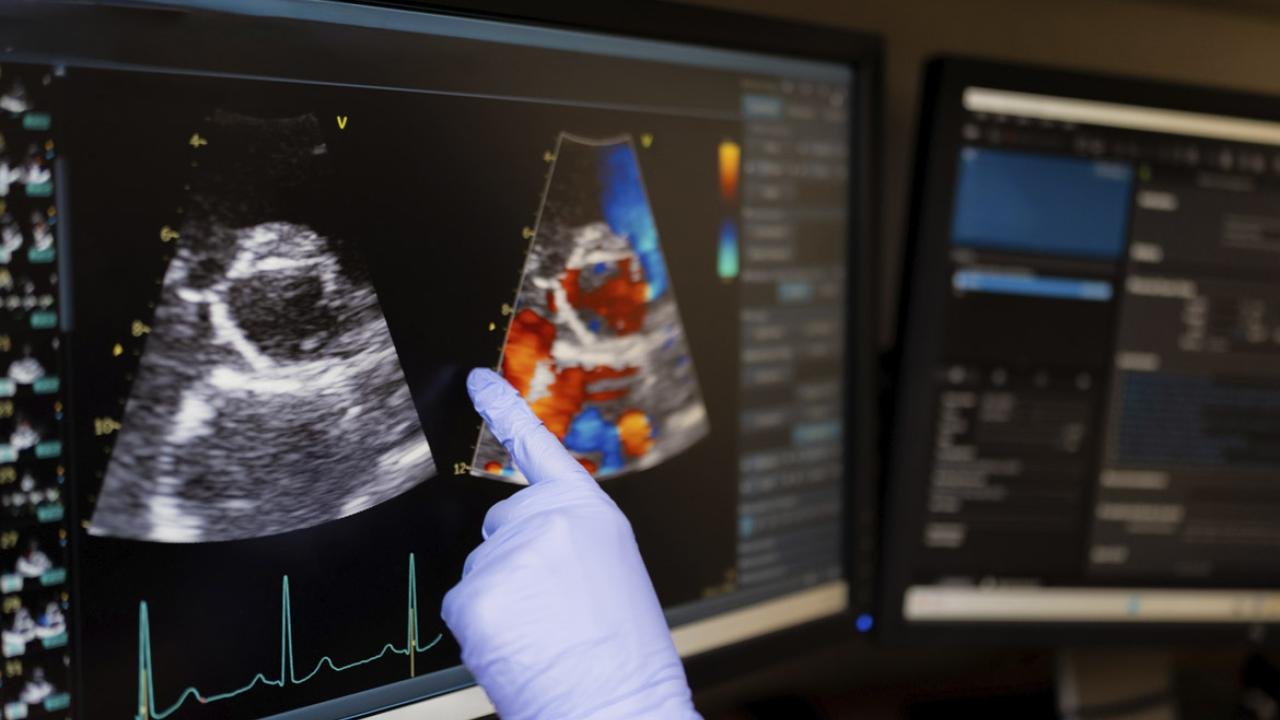
AI enhanced heart ultrasound technologies are set to revolutionize cardiac diagnosis, promising unprecedented improvements in echocardiography. Backed by a $5 million grant, Dr. David Ouyang from The Permanente Medical Group is pioneering research in this transformative field. His work explores the potential of artificial intelligence to refine the interpretation of heart ultrasounds, thereby enabling earlier detection of diseases and enhancing clinical outcomes for patients.
AI Enhanced Heart Ultrasound: A Technological Leap
The integration of AI into heart ultrasound reading is not just an incremental step; it represents a significant leap forward in medical diagnostics. AI algorithms, trained on vast datasets, can rapidly analyze ultrasound images, pinpointing even subtle abnormalities that might elude the human eye. Consequently, this technology stands to augment a physician’s capabilities by offering a second, highly accurate perspective.
Understanding the Impact on Echocardiography
Incorporating AI into echocardiography could lead to more precise and timely diagnoses. Notably, AI systems can consistently analyze heart functions, reducing the variability typically associated with human interpretation. For instance, AI can standardize measurements like ejection fraction, which is critical for assessing heart health. This advancement aligns with trends seen in digital pathology where technology enhances diagnostic precision. As a result, patients can receive more consistent care, and healthcare providers can streamline workflows.
Unveiling Early Signs of Disease
One of the most promising aspects of AI enhanced heart ultrasound is its ability to detect the early signs of cardiac diseases. With AI’s ability to process complex patterns quickly, physicians can identify the onset of heart conditions sooner, potentially averting severe outcomes. Early intervention often leads to better patient prognosis and can reduce the burden of advanced treatment interventions.
Challenges and Future Directions
While the potential of AI in echocardiography is vast, challenges remain. Integration into existing systems requires meticulous calibration and validation against current medical standards. Furthermore, data privacy and ethical concerns must be addressed to build trust among patients and practitioners. However, as these challenges are systematically tackled, the future of AI-enhanced heart ultrasounds looks promising.
In summary, AI enhanced heart ultrasound is not just a technological advancement; it is a paradigm shift in how cardiac health is assessed and managed. By enriching diagnostic precision and early disease detection, this innovation offers a glimpse into a more efficient and effective healthcare future. This is similar to innovations shown in wearable health devices, where technological integration is reshaping healthcare delivery.
Key Takeaways
- AI in heart ultrasounds enhances diagnostic precision and consistency.
- Early disease detection is improved with AI technology, potentially improving patient outcomes.
- Challenges include integration, data privacy, and ethical considerations.
Medical Disclaimer
The information presented is for educational purposes and should not be construed as medical advice or expertise.
