

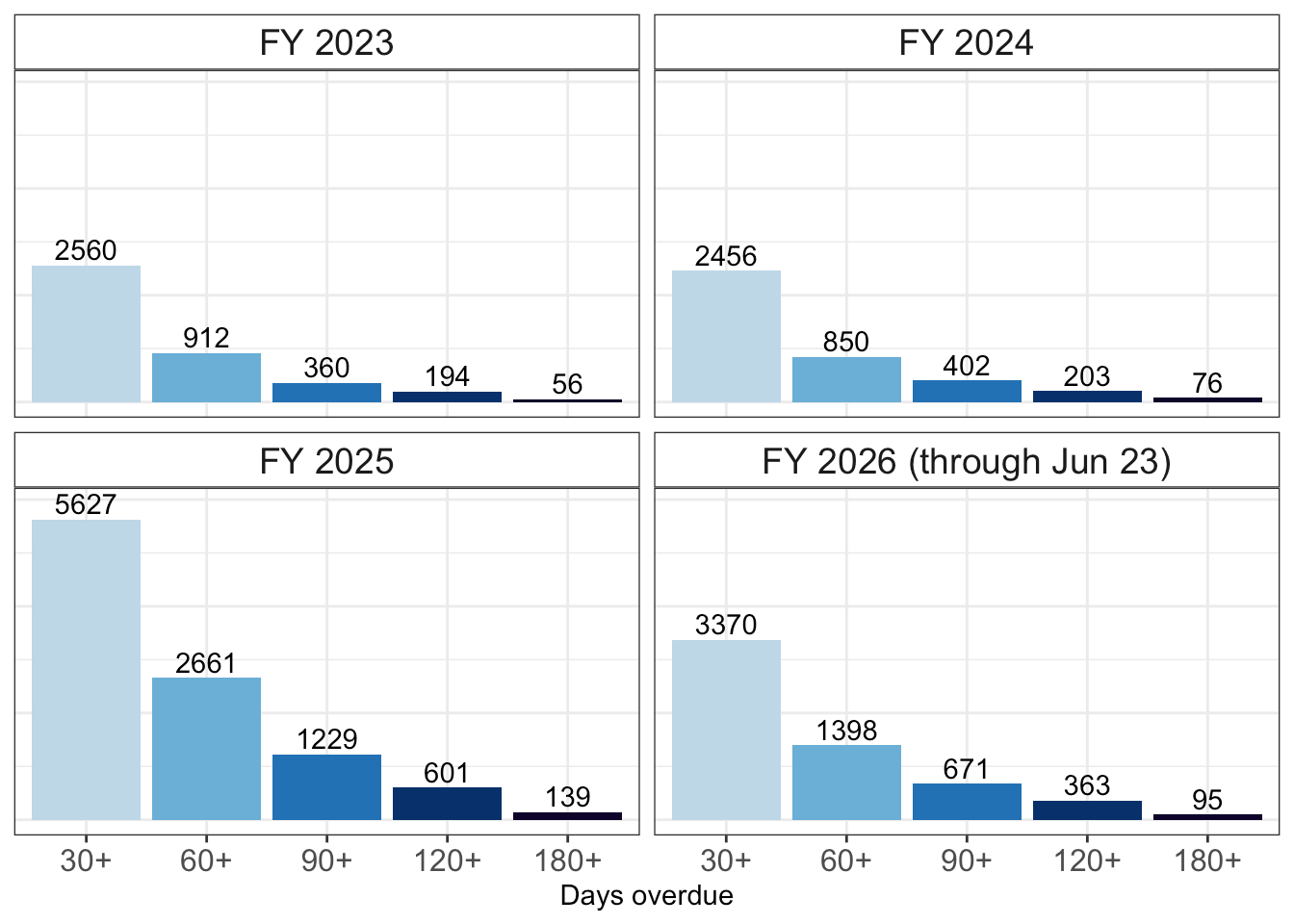
Government grant renewal delays at the National Institutes of Health (NIH) and the Agency for Healthcare Research and Quality (AHRQ) are causing significant challenges in the research community. Researchers relying on ongoing funding for their projects face uncertainty and potential disruptions. These delays have implications not only for current research but also for the future of scientific advancements. The issue highlights the importance of timely grant processing and its impact on the research ecosystem.
Understanding Government Grant Renewal Delays
Government grant renewal delays affect many researchers across the nation. These delays occur when expected funding for ongoing projects is not processed in a timely manner. Consequently, researchers find themselves in a state of limbo, unable to plan effectively for the continuation of their work. This issue primarily stems from bureaucratic challenges and the complexities of administrative processes within governmental agencies.
Implications of Delayed Renewals on Research
As a result of these delays, ongoing research projects face potential setbacks. For instance, researchers may struggle to retain skilled personnel who rely on continued funding for their employment. Moreover, essential resources and equipment necessary for experiments might also become unavailable. As researchers wait for approval, the momentum of their projects can stall, impeding scientific progress and innovation.
Responses from the Academic Community
In response to these government grant renewal delays, the academic community is voicing concerns and advocating for change. Academic institutions, alongside researchers, emphasize the need for streamlining and improving the efficiency of the grant renewal process. They advocate for increased communication and clarity from funding agencies to minimize disruptions and better support ongoing research efforts.
Tackling the Underlying Causes
To address these delays, there needs to be a focus on resolving administrative bottlenecks within the NIH and AHRQ. This includes optimizing the review and approval stages of grant renewals. Furthermore, implementing robust tracking systems can help facilitate transparency and ensure researchers are informed about the status of their applications. These improvements can lead to more timely renewals and sustained research productivity.
Ultimately, addressing government grant renewal delays is crucial for maintaining the integrity and continuity of research projects that drive scientific discovery. Immediate and strategic actions to resolve these issues are vital for supporting the research community’s contributions to society.
