

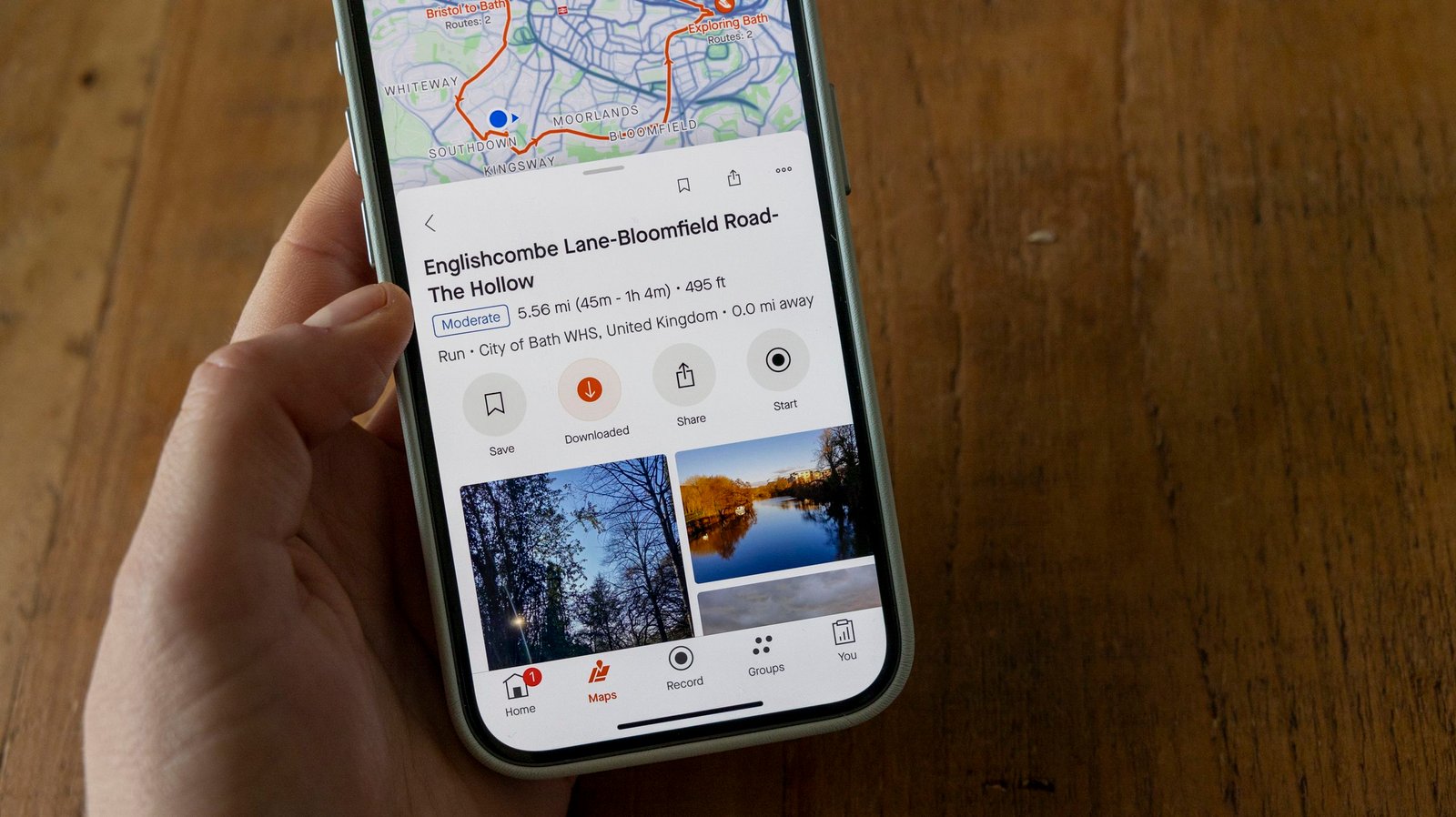
Strava, a popular fitness tracking app, recently highlighted a significant security threat when it inadvertently revealed the location of a French warship. A naval officer’s routine jog on the deck of an aircraft carrier showcased how seemingly innocent fitness data poses substantial security risks. This incident underscores the growing intersections between technology, personal data, and national security, prompting discussions on the implications of sharing fitness data publicly.
Understanding the Strava Security Threat
Strava, which allows users to map and share their exercise routes, can inadvertently expose sensitive data when users enable GPS features. In this case, a naval officer’s run on a French aircraft carrier deck inadvertently disclosed the warship’s classified location. This example of a Strava security threat illuminates the unforeseen dangers of modern fitness technology. While users often prioritize the benefits of tracking their fitness journeys, they must also recognize the potential for breaching privacy and security protocols.
Implications for Military Security
Military and security agencies have become increasingly wary of fitness apps that use GPS technologies. Strava has previously exposed sensitive operations and locations, raising alarm bells within defense ministries worldwide. The recent exposure of the French warship’s location underscores the need for tight regulations on data sharing, particularly for military personnel. As a result, many agencies are considering restrictions on such apps within sensitive areas to prevent further security breaches.
How Fitness Enthusiasts Can Protect Themselves
The Strava security threat exemplifies the broader challenges users face in managing privacy with fitness technology. Users can take several precautions to protect their data, such as disabling GPS tracking during critical operations or opting for private settings that limit who can view their activities. Furthermore, they should routinely review and update privacy settings based on current security needs. As technology continues to evolve, staying informed about security practices remains crucial.
In an era where digital fitness tracking is ubiquitous, understanding the boundaries between connectivity and security becomes essential. By proactively managing data sharing preferences, users can enjoy the benefits of technology without compromising their privacy. This balance ensures that while technology enhances our lives, it does not inadvertently expose us to risks.
Through this incident, it is evident that while fitness technology offers numerous benefits, it also poses substantial risks when integrated with sensitive information. As users navigate the digital landscape, they must remain vigilant about their data trails, ensuring that security considerations remain a priority.
Key Takeaways
- Fitness apps like Strava can inadvertently expose sensitive military locations when using GPS functionality.
- Military agencies are urged to reconsider the use of such apps in sensitive areas to prevent security breaches.
- Users should actively manage their privacy settings to balance fitness tracking benefits with security concerns.
Medical Disclaimer
This content is informational in nature and does not replace professional medical advice.
