

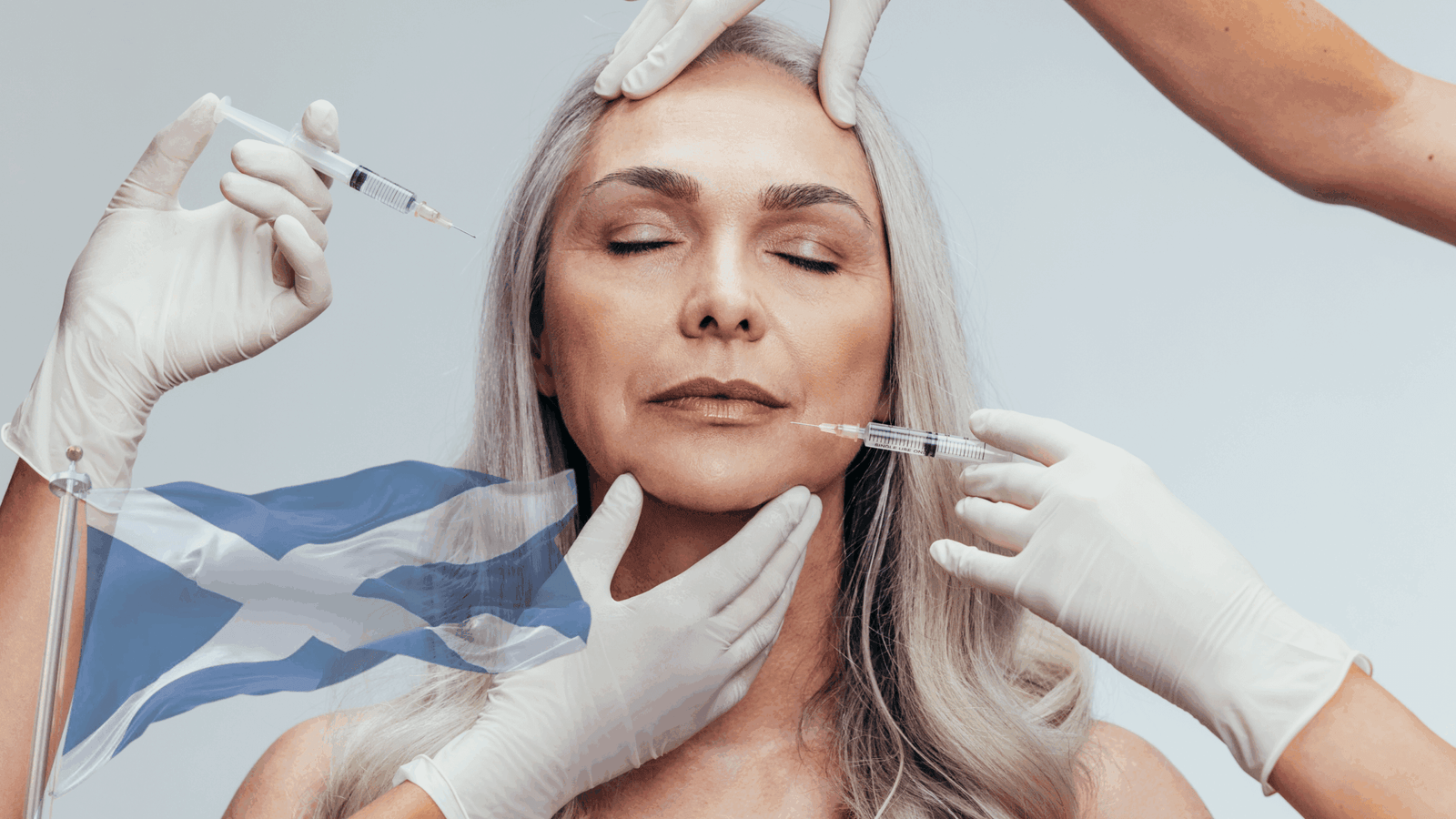
In a significant advance for the aesthetics industry, the Scottish Non-Surgical Procedures Bill underscores a critical regulatory breakthrough, reinvigorating the discourse around cosmetic interventions and their oversight. Unanimously passed by the Scottish Parliament, this legislation aims to establish rigorous standards and bolster safety measures within the realm of non-surgical cosmetic procedures. As the global demand for non-invasive aesthetic treatments burgeons, Scotland’s pioneering efforts could well serve as a blueprint for other regions grappling with similar regulatory challenges.
The Significance of the Scottish Non-Surgical Procedures Bill
The passage of the Scottish Non-Surgical Procedures Bill highlights the importance of formalizing standards in a rapidly growing sector. By committing to comprehensive oversight, the bill addresses long-standing concerns about the safety and ethical practices of non-surgical cosmetic treatments. It introduces necessary frameworks to ensure that practitioners are adequately trained and procedures meet stringent safety guidelines. Such measures are vital in fostering an environment where practitioners operate with accountability and patients can feel assured of their choices.
Enhancing Safety and Consumer Confidence
A pivotal aspect of the Scottish Non-Surgical Procedures Bill is its potential to enhance safety through robust regulatory mechanisms. This includes instituting mandatory qualifications for practitioners and establishing clear protocols for procedure administration. Consequently, these developments are poised to increase consumer confidence, reducing instances of malpractice and enhancing the overall standard of care within the sector. This is reminiscent of how coronectomy versus extraction safety is being evaluated to minimize risks in dental procedures.
Scottish Non-Surgical Procedures Bill: A Model for Broader Adoption
This legislative initiative could potentially be emulated beyond Scotland, catalyzing similar regulatory advancements globally. With non-surgical procedures gaining unprecedented popularity, other jurisdictions can look to Scotland’s legislation as a model in crafting their regulations. This proactive approach addresses growing public health concerns and aligns industry practices with evolving consumer expectations.
Bridging Gaps in Non-Surgical Procedure Regulation
The bill also underscores the necessity of bridging existing gaps in non-surgical procedure oversight. Prior to this development, the regulation of such procedures often remained inconsistent, leaving many patients vulnerable to substandard practices. Now, with the standardization of rules and requirements, the bill mitigates these risks, fostering a safer and more transparent industry. When looking at regulation standards, the agentic model in revolutionizing healthcare with agentic model medical coding offers innovation in ensuring consistency and accuracy.
Looking ahead, the Scottish Non-Surgical Procedures Bill sets a precedent that could reshape the global landscape of aesthetic practices. By ensuring thorough regulatory frameworks, it paves the way for advancements in public health policy, making cosmetic procedures safer and more reliable for all consumers.
Key Takeaways
- The Scottish Non-Surgical Procedures Bill sets rigorous safety standards for cosmetic procedures.
- This legislation can improve consumer confidence in the aesthetics industry.
- Its framework provides a model for international regulatory advancements.
Medical Disclaimer
This content is for informational purposes only and does not constitute medical advice.
