

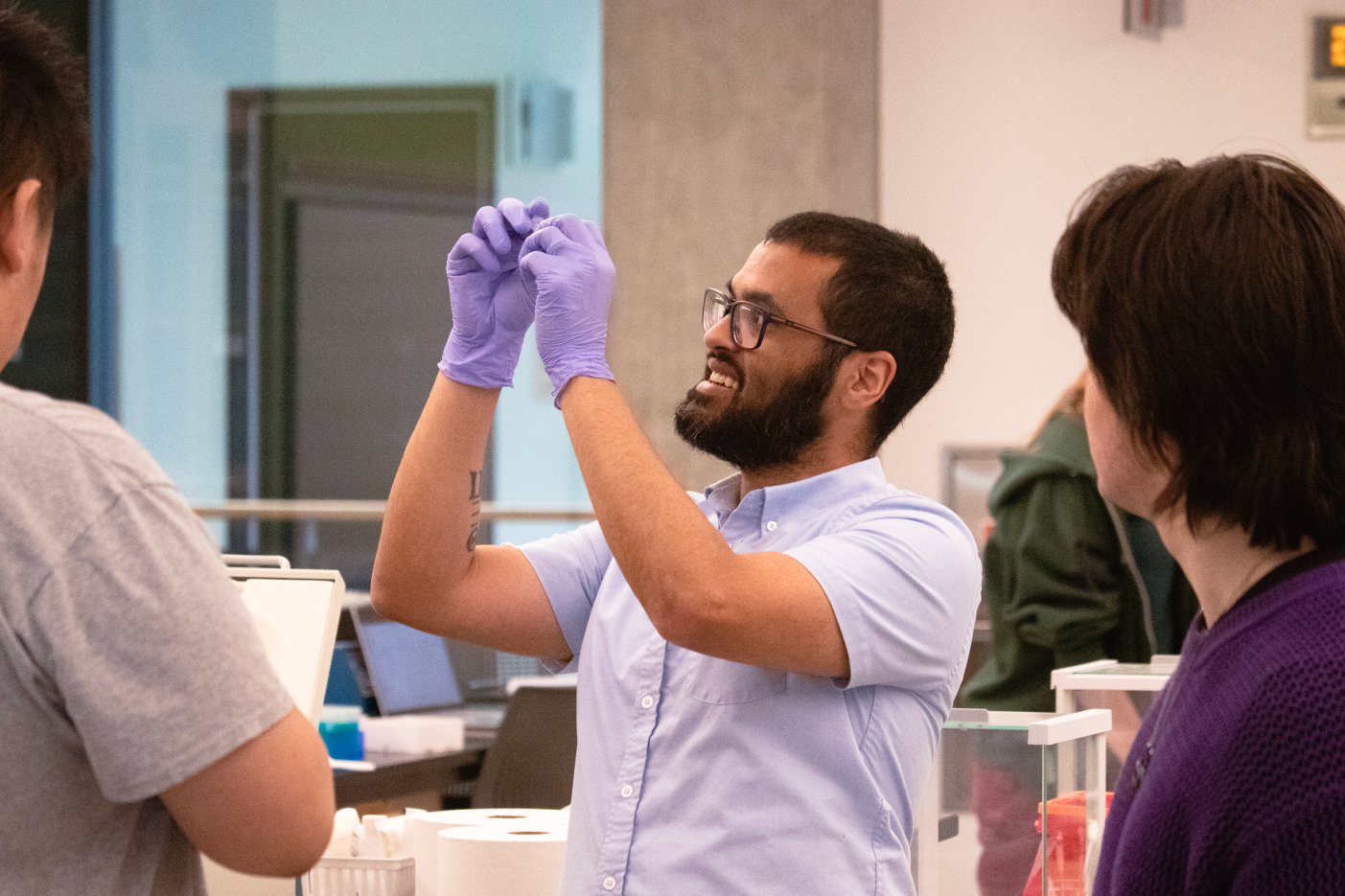
At the forefront of women’s health research, the Whidbey Lab engages in meticulous studies focusing on cervicovaginal fluid research. This crucial work delves into understanding women’s reproductive health, aiming to increase knowledge and improve healthcare outcomes. Cervicovaginal fluid, gathered in a controlled environment through innovative methods, provides insights that are invaluable to medical science.
Whidbey Lab’s Commitment to Cervicovaginal Fluid Research
The Whidbey Lab stands as a beacon of innovation on campus, particularly in cervicovaginal fluid research. Researchers in the lab employ sophisticated techniques to process samples with precision. Students and professionals collaborate to ensure the highest standards in data collection and analysis, which facilitates groundbreaking findings in reproductive health sciences. As a result, Whidbey Lab sets a benchmark for similar research initiatives, both nationally and globally.
The Role of Student Researchers
Integral to the lab’s success are the dedicated student researchers who meticulously handle cervicovaginal fluid samples. Under expert supervision, these students use menstrual disks to collect samples, thereby gaining hands-on experience crucial for their professional development. Additionally, this immersive process empowers them with a deep understanding of the research, which is essential in crafting future scientific inquiries.
Technological Advances in Sample Processing
At Whidbey Lab, the sample processing protocols have undergone transformative advancements. Modern equipment and innovative methodologies enable researchers to extract substantial data from minimal sample volumes. This efficiency not only enhances research outcomes but also minimizes waste, ensuring sustainable practices. Consequently, these technological strides position Whidbey Lab at the cutting edge of reproductive health research.
Furthermore, the lab’s approach fosters a collaborative environment where technology and academic inquiry intersect seamlessly. This synergy fuels ongoing progress and adaptation to emerging scientific challenges.
Impact on Women’s Health Research
The implications of Whidbey Lab’s cervicovaginal fluid research are significant. The insights derived from these studies contribute to more comprehensive health profiles for women, offering the potential for personalized medical treatments. The lab’s efforts are crucial, especially as women’s health continues to gain overdue attention within the broader scientific community. For insights on overcoming barriers in female health advancement, see how bridging the women’s health knowledge gap for better care.
Moreover, the findings from Whidbey Lab’s research may inform public health policies and influence healthcare practices, optimizing resources devoted to women’s health issues. As a result, the lab not only advances scientific knowledge but also promotes a proactive approach to health equity.
Key Takeaways
- Whidbey Lab leads in cervicovaginal fluid research, pioneering new methods and insights.
- Student researchers play a vital role, gaining experience in cutting-edge sample processing.
- The lab’s findings have significant implications for women’s health, influencing future medical practices and policies.
Medical Disclaimer
This article is for informational purposes only and does not constitute medical advice.
