

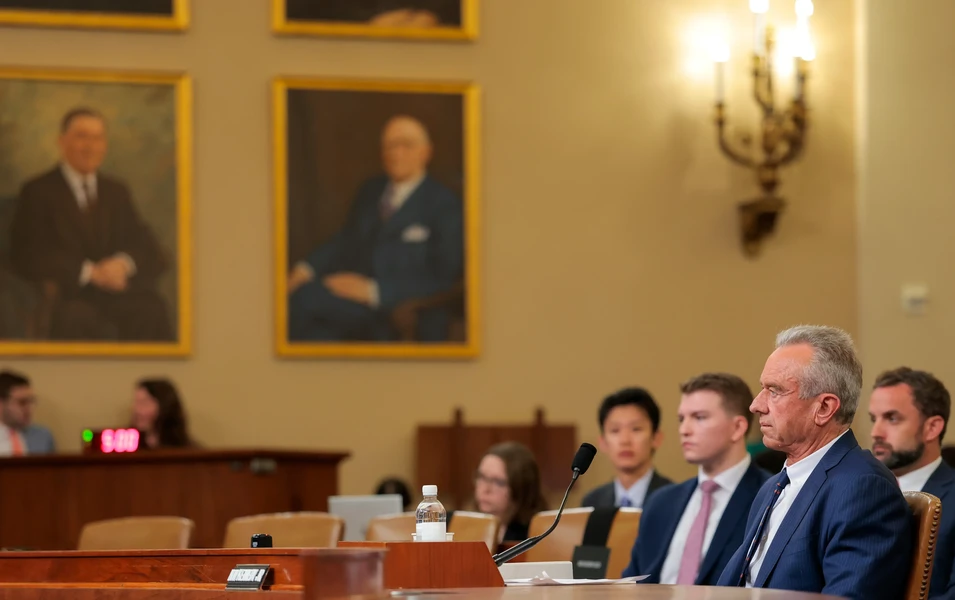
U.S. Health Secretary Robert F. Kennedy Jr. emphasized nutrition and food safety policies during his recent congressional appearance, marking a strategic pivot amid ongoing challenges. This shift comes as Kennedy avoids his contentious vaccine stance, which recently faced a significant legal setback. As the White House seeks to emphasize more broadly appealing subjects before the upcoming midterms, Kennedy’s reframing of priorities underscores a calculated response to the political climate.
Meanwhile, congressional members engaged Kennedy with pressing questions on diverse issues. These included proposed budget reductions, escalating healthcare costs, and notably his administration’s response to what is being described as the nation’s most severe measles outbreak in recent decades. Consequently, lawmakers across party lines are keenly scrutinizing how these topics intersect with public health policy ahead of the elections.
Nutrition and Food Safety Policies in Focus
Kennedy’s decision to spotlight nutrition and food safety reflects a broader governmental strategy to address widespread health concerns effectively. This approach aims to align with public interests while potentially diverting attention from more divisive issues. According to Kennedy, enhancing food safety standards and promoting nutritional education are pivotal to improving national health outcomes. Furthermore, by prioritizing these policies, the administration seeks to bolster public health infrastructure in a manner that garners bipartisan support.
Lawmakers Press on Critical Issues
During the hearing, Kennedy faced rigorous questioning on a spectrum of critical concerns. Although his focus remained on nutrition, the discussions frequently returned to financial constraints and healthcare affordability. Additionally, lawmakers highlighted the intricate balance required to manage the measles outbreak, pressing the Health Secretary on the effectiveness of current public health strategies. Consequently, these dialogues highlight the complex policy challenges that the administration must address.
Strategic Policy Reorientation
The shift in focus to nutrition and food safety policies appears to be a strategic move by Kennedy and the White House. Consequently, this pivot could dampen the political friction caused by vaccine debates while addressing issues with apparent public support. Such realignment reflects the administration’s adaptive strategy in navigating the multifaceted landscape of health policy. As political and health dynamics evolve, this reorientation may signify broader policy adjustments in response to public expectations and legislative pressures. For instance, an emphasis on critical issues like the hidden autism ADHD connection could reflect nuanced responses to emerging health concerns.
Looking forward, ongoing discussions and hearings will continue to shape the trajectory of health policies. Observers should watch for any shifts in focus that balance immediate public health needs with long-term policy goals.
Key Takeaways
- Emphasis on nutrition and food safety reflects strategic policy adaptation.
- Congressional scrutiny underscores the complexity of present health challenges.
- Future hearings might influence adjustments in health policy priorities.
Medical Disclaimer
This content is for informational purposes only and does not replace professional medical advice.
