

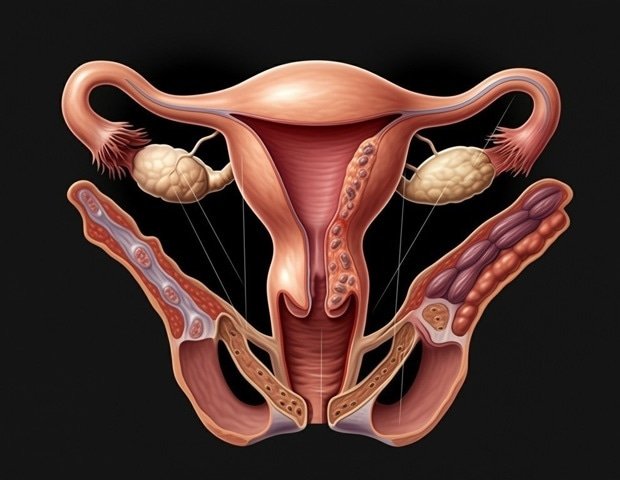
Recent studies have shed new light on endometriosis pain persistence, revealing why it continues to trouble many women even after surgical removal of lesions. Endometriosis, a condition where tissue similar to the lining inside the uterus begins to grow outside it, affects millions worldwide, causing chronic pain and other debilitating symptoms. Understanding why pain persists holds significance, as it may transform patient care and offer hope for those who suffer. Researchers have uncovered that repeated menstrual cycles could restructure the brain, offering insights into this perplexing condition.
Understanding Endometriosis Pain Persistence
Endometriosis pain persistence after surgery has puzzled both patients and healthcare professionals. According to recent investigations, repeated menstrual cycles might play a crucial role. These cycles appear to influence neuroplastic changes within the brain, which potentially explains ongoing pain. This revelation not only provides a fresh perspective but also suggests that addressing neurological factors could be as vital as treating physical symptoms.
The Brain’s Role in Endometriosis Pain Persistence
Neurological research has revealed that menstrual cycles might rewire the brain, contributing to endometriosis pain persistence. These cycles can instigate changes in pain processing, making the brain hypersensitive to pain signals. As a result, women may continue to experience pain, even after the removal of physical lesions. This finding has significant implications for treatment strategies, highlighting the need for therapies that target both physical and neurological aspects of endometriosis.
Impact of Menstrual Cycles on Endometriosis Pain Persistence
The role of menstrual cycles in endometriosis pain persistence is profound. Each cycle could reinforce pain pathways, increasing the brain’s sensitivity to pain over time. Consequently, the brain may retain these painful experiences long after surgical interventions. Understanding this impact is crucial for developing more effective pain management strategies that address the unique challenges faced by endometriosis patients.
Researchers emphasize that while surgical interventions remain essential, they should not be the sole approach to treating endometriosis pain. Incorporating strategies that address brain-related changes could greatly enhance patient outcomes. Consequently, this dual approach may provide a more comprehensive solution, tackling both the physical and neurological roots of the condition.
The implications of these findings cannot be understated. By broadening the focus to include neurological factors, healthcare providers can develop more robust treatment plans, potentially improving quality of life for many women. As research evolves, it promises to offer new hope for better managing this challenging condition.
Key Takeaways
- Endometriosis pain persistence may involve neurological changes triggered by repeated menstrual cycles.
- Targeting both physical and brain-related aspects could enhance treatment strategies.
- Understanding brain involvement offers a path to more comprehensive care for endometriosis patients.
Medical Disclaimer
This article is for informational purposes only and does not constitute medical advice.
