

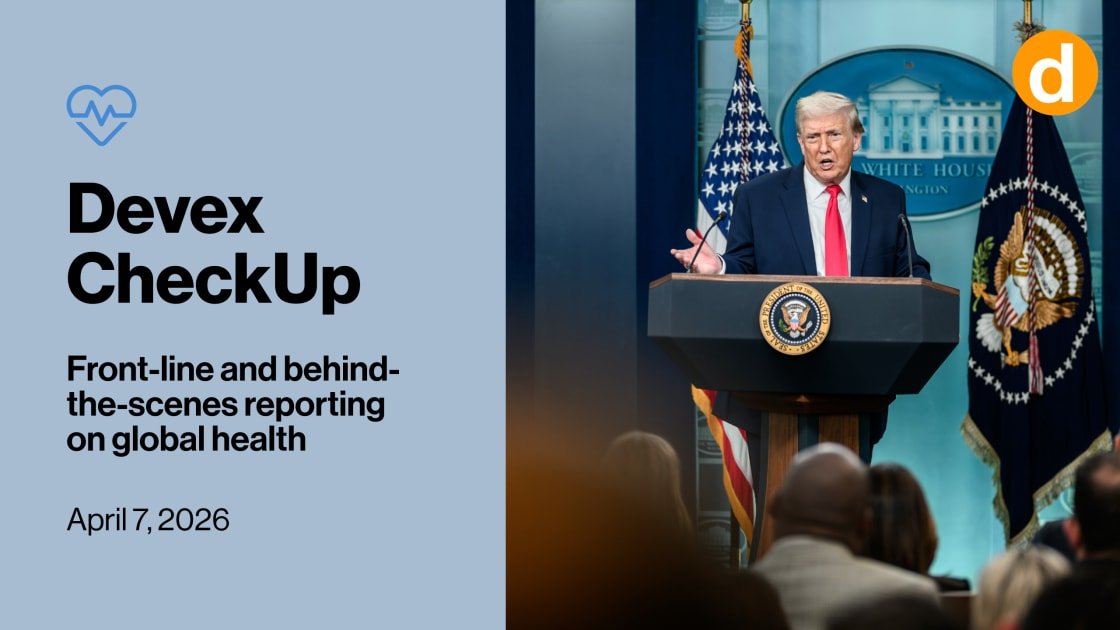
The concept of a Trump global health budget reduction has once again resurfaced, sparking widespread discussions on its implications for international healthcare initiatives. The proposed budget seeks significant cuts to funds previously allocated to global health programs, potentially affecting efforts to combat diseases and improve healthcare systems worldwide. This development prompts a critical analysis of its potential impact on global health advancements and the future trajectory of international collaborations in healthcare.
Understanding the Trump Global Health Budget Reduction
President Trump’s proposal to slash billions from global health funding has raised concerns among health experts and international aid organizations. The reduction targets programs that address pressing health issues, including infectious diseases, maternal and child health, and nutritional deficiencies. For instance, organizations reliant on U.S. funding may face challenges in maintaining current levels of operation, as many have suggested that reduced financial support could weaken efforts to manage pandemics and tackle emerging health threats effectively.
Impact on Disease Prevention Programs
Disease prevention initiatives targeting conditions like HIV/AIDS, tuberculosis, and malaria may suffer from these budgetary cuts. Programs underpinned by U.S. financial aid have historically played pivotal roles in controlling these diseases, and reductions could jeopardize decades of progress. Consequently, experts caution that scaling back funding could increase infection rates and hamper international campaigns designed to contain outbreaks before they start.
Challenges for the Medicines Patent Pool
The Medicines Patent Pool, an organization dedicated to improving access to affordable medicines in low-income countries, is among those potentially impacted by the budget reduction. The pool negotiates licenses for patented medicines, making life-saving treatments accessible and affordable. As a result, less funding may restrict its operational capacity and threaten the availability of essential drugs to marginalized populations.
Broader Implications for Global Health Collaboration
The ripple effects of these proposed budget cuts extend beyond immediate project funding. Collaborations between governments, NGOs, and international bodies rely heavily on continuous support from major funding nations like the United States. Budget reductions could strain these partnerships, leading to a fragmented response to global health challenges. For example, initiatives like the WHO Science Health Collaboration emphasize the importance of collective action, which may be compromised due to reduced financial support. Therefore, strategic re-evaluations and adaptive measures will be crucial to sustaining progress in global health.
In summary, the proposed Trump global health budget reduction highlights the complexity of balancing fiscal policies with global responsibilities. As stakeholders deliberate on this issue, the importance of sustained investment in global health becomes ever more apparent in the quest to maintain and enhance the well-being of populations worldwide.
