

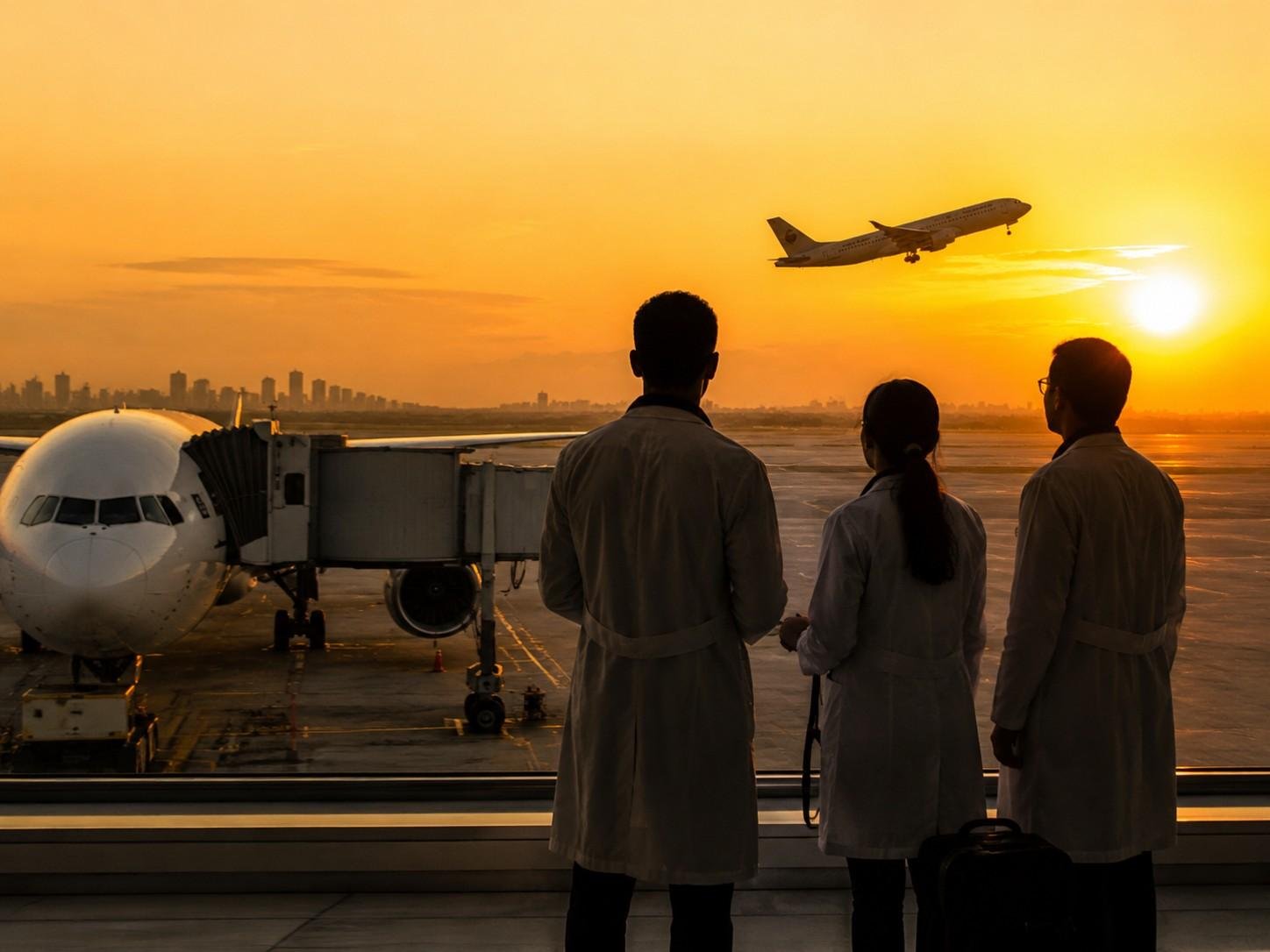
The United States has lifted its visa hold for doctors, prompting a significant surge in travel bookings, particularly from Brazil, India, Mexico, and the United Kingdom. This surge represents a potential travel boom as major airlines, including American Airlines, Delta, and United, scramble to accommodate increased demand. Consequently, this development could signal a broader recovery for the travel industry.
The resumption of visa services for medical professionals is not just a regulatory knee-jerk. Instead, it reflects a strategic move aimed at revitalizing cross-border collaborations and meeting the global healthcare workforce demand. In the wake of this change, airlines have reported a marked increase in ticket sales, which stands as a testament to the pent-up travel demand these economies exhibit.
Visa Hold Lifted Travel Surge Boosts Airlines
Major players in the aviation sector, such as Emirates, Lufthansa, and British Airways, have joined their American counterparts in witnessing a rapid uptick in flight reservations. This increase is crucial for airlines recovering from years of pandemic-induced financial strain. Moreover, international borders reopening in tandem with eased visa restrictions facilitate stronger global connectivity, which in turn boosts the aviation industry’s rebound potential.
India’s Contribution to the Travel Spike
Notably, Indian travelers constitute a significant portion of this travel resurgence. The demand inflow is primarily due to India’s vast diaspora and professional community eager to resume international activities. According to industry reports, flights from India to the U.S. are experiencing unprecedented booking numbers, marking a hopeful turning point for both tourism and business travel.
The Impact of the Visa Hold Lift on Brazil and Mexico
Similarly, Brazil and Mexico have shown remarkable growth in outbound travel. These Latin American nations have a strong educational and professional exchange relationship with the United States, further intensified by the visa hold lift. For airlines operating in these regions, maintaining service quality amidst this surge will be critical for sustaining customer loyalty.
This travel rush, while benefiting airlines, also poses logistical challenges. Carriers must adeptly manage increased demand and maintain smooth operations. The industry’s ability to effectively navigate these challenges will determine how the travel landscape evolves in coming months.
Looking ahead, this surge in travel bookings may set the stage for a broader recovery in global tourism. Airlines planning to capitalize on this momentum must innovate and scale sustainably to meet upcoming challenges. The visa policy shift underscores the pivotal role of regulatory environments in shaping commercial air travel dynamics.
