

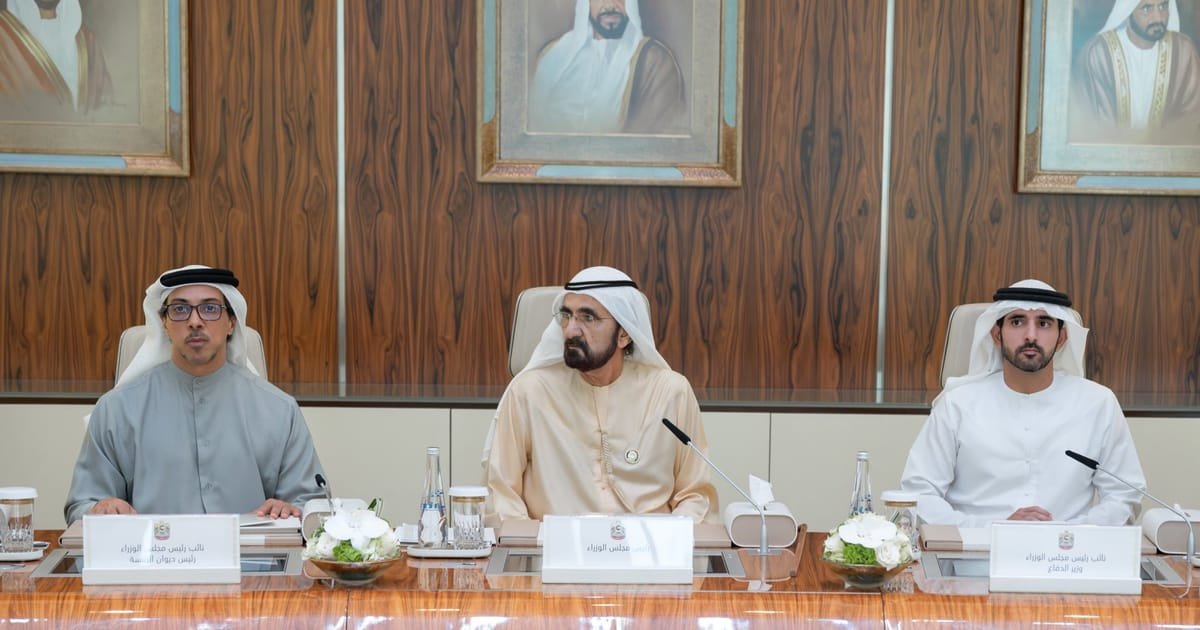
The UAE has launched its largest government training program aimed at upskilling 80,000 federal employees, marking a significant stride in workforce development. This comprehensive initiative, unveiled by Sheikh Mohammed, is a cornerstone of the country’s transformation strategy, underscoring its commitment to enhancing administrative capabilities and fostering a forward-thinking government sector.
The training program comes at a pivotal time as the UAE continues its journey towards innovation-driven governance. Notably, this strategy reflects the nation’s ambition to keep pace with global advancements and equip its workforce with essential skills for the future. As a result, the program is expected to have far-reaching impacts not only within the government but across the entire public sector.
UAE Government Employee Training: A Strategic Move
According to Sheikh Mohammed, the training initiative is integral to the UAE’s broader transformation agenda. This vision seeks to align federal employees with best practices and emerging technologies. Consequently, empowering the workforce becomes crucial for the nation’s progressive goals.
Key Objectives of the Training Program
The ambitious training scheme aims to modernize the skillsets of federal employees by focusing on several key objectives:
- Enhancing digital competencies and adaptability to new technologies
- Strengthening leadership and strategic decision-making abilities
- Promoting innovation and creative problem-solving in public service
- Ensuring effective and efficient delivery of governmental duties
Implications for the UAE’s Future
This initiative represents a forward-thinking approach to governance. As employees gain new skills, they are better positioned to contribute to national development goals and support the UAE’s reputation as a leader in government efficiency. Furthermore, as the program unfolds, it is likely to set a benchmark for training programs worldwide.
In addition to employee development, the initiative is expected to enhance citizen services by fostering a more dynamic and responsive government. This alignment with modern expectations ensures that public administration continues to evolve in line with societal needs.
Looking ahead, the success of this program will be closely monitored to ensure it meets its transformational goals. As implementation progresses, stakeholders will assess the tangible impacts on both employees and the wider community.
