

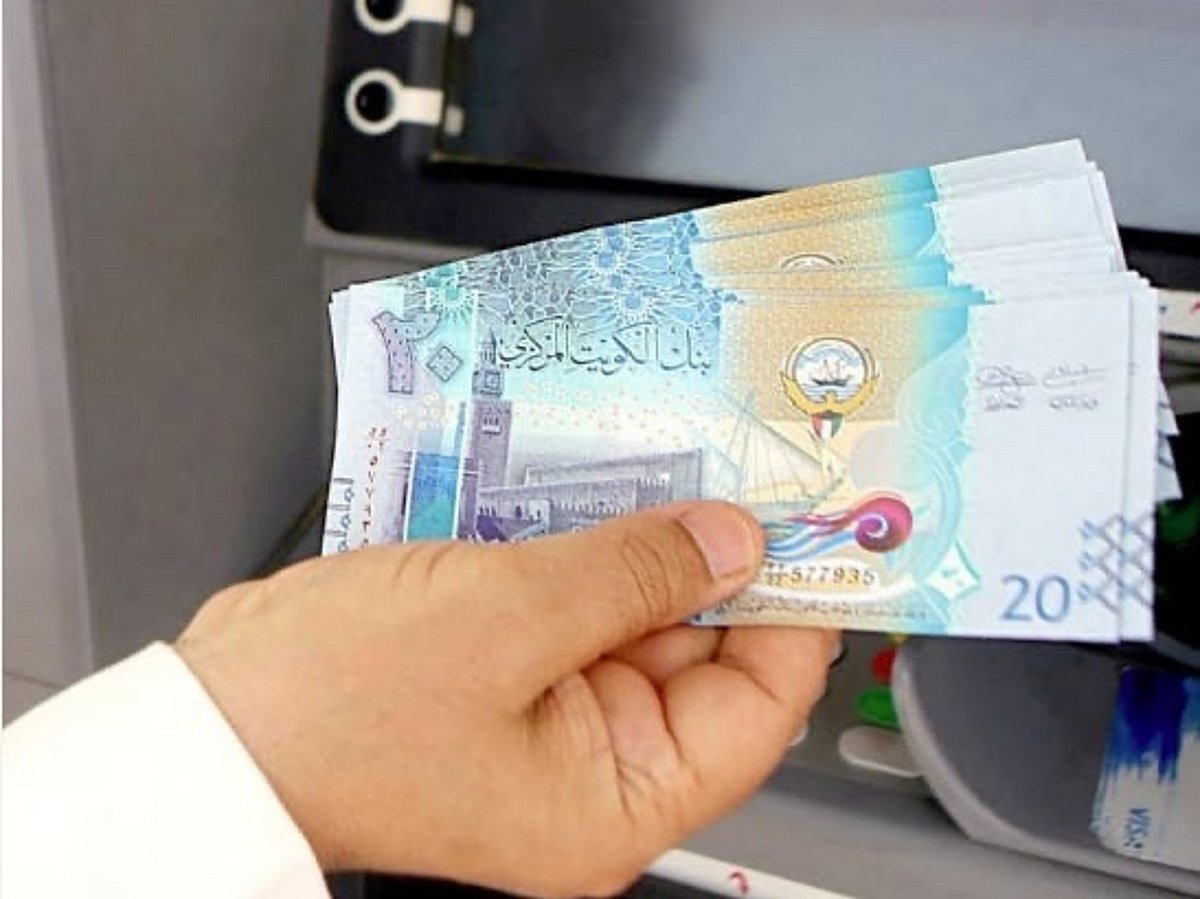
Kuwait has implemented a landmark regulation, limiting cash payments to a maximum of KD10 at private healthcare facilities. This move signals an important shift toward electronic payments within the Kuwaiti healthcare system. By mandating electronic and banking channels, the government aims to enhance oversight of financial transactions, thus ensuring greater transparency and reducing potential for financial malpractices.
In a region where cash transactions have traditionally dominated, Kuwait’s decision marks a significant transition. Specifically, this policy could transform how financial interactions are conducted in the healthcare sector—an area often scrutinized for its financial opacity. Consequently, healthcare providers now must adopt digital payment systems. Hence, this policy not only aligns with global financial trends but also encourages digital innovation within the sector, much like the digital innovation in pharmacy information systems.
Electronic Payments Reshape Kuwait’s Healthcare Sector
The implementation of electronic payments in Kuwait’s healthcare sector highlights the government’s commitment to modernization and financial transparency. According to the decree, all private healthcare providers must now enable digital payment options, thus minimizing reliance on cash.
Mandate Encourages Financial Oversight
By mandating electronic payment methods, the Kuwaiti government aims to improve financial oversight within the healthcare industry. This transition ensures accurate tracking of transactions, consequently reducing the potential for illegal financial activities. Moreover, it aligns with international standards in digital financial transparency.
Impact on Healthcare Providers and Patients
Healthcare providers, notably, must adapt quickly to the newly enforced electronic payment systems. For many, this means significant investment in digital infrastructure. Patients, on the other hand, might initially face challenges adapting to these changes. However, as digital literacy improves, the long-term benefits of security and convenience will likely outweigh any initial discomfort.
The shift to digital payments brings broader implications for Kuwait’s economy and its move towards modernization. As the healthcare sector leads this change, other industries may follow suit, further embedding electronic financial solutions across Kuwait.
Looking forward, observers will closely monitor the impact of these regulations on the healthcare sector’s financial practices. Additionally, how quickly both providers and patients adapt will be crucial in determining the success of this policy.
