Close Menu

    Subscribe to Updates

    Get the latest creative news from medicalintelligence about art, design and business

    What's Hot

    Exploring revenue cycle management risks in healthcare

    June 4, 2026

    musty bbl smell causes: insights from surgical analysis

    June 4, 2026

    Women’s firefighter cancer risk: what we know now

    June 4, 2026
    Facebook X (Twitter) Instagram
    medicalintelligence
    Facebook X (Twitter) Instagram WhatsApp
    SUBSCRIBE
    • Medical Research & Evidence
      • Clinical Trials & Studies
      • Research Analysis
      • Systematic Reviews & Evidence Summaries
    • Clinical Insights
      • AI in Clinical Practice
      • Specialist Perspectives & Case-Based Insights
    • Neuroscience, Psychology & Mental Health
      • Mental Health Science
      • Neurodevelopment & Brain Health
      • Psychology & Behaviour
    • Womenโ€™s, Reproductive & Child Health
      • Child Development & Parenting Science
      • Pregnancy & Reproductive Health
      • Womenโ€™s Health & Hormones
    • Nutrition, Metabolism & Lifestyle Medicine
      • Evidence-Based Nutrition
      • Fitness & Exercise
    • Dermatology, Aesthetic & Reconstructive Medicine
      • Aesthetic & Cosmetic Procedures
      • Clinical Dermatology
      • Reconstructive & Surgical Care
    • Integrative & Alternative Medicine
      • Ayurveda & Traditional Medicine
      • Evidence & Safety in Alternative Care
      • Integrative Therapies
    • UAE & GCC Healthcare
      • Healthcare Events & Conferences
      • Healthcare News
      • Policy & Regulation
    medicalintelligence
    Home ยป Women’s firefighter cancer risk: what we know now
    Systematic Reviews & Evidence Summaries

    Women’s firefighter cancer risk: what we know now

    Medical Intelligence NewsBy Medical Intelligence NewsJune 4, 2026No Comments3 Mins Read
    Share
    Facebook Twitter LinkedIn Pinterest Email

    Women's firefighter cancer risk: what we know now

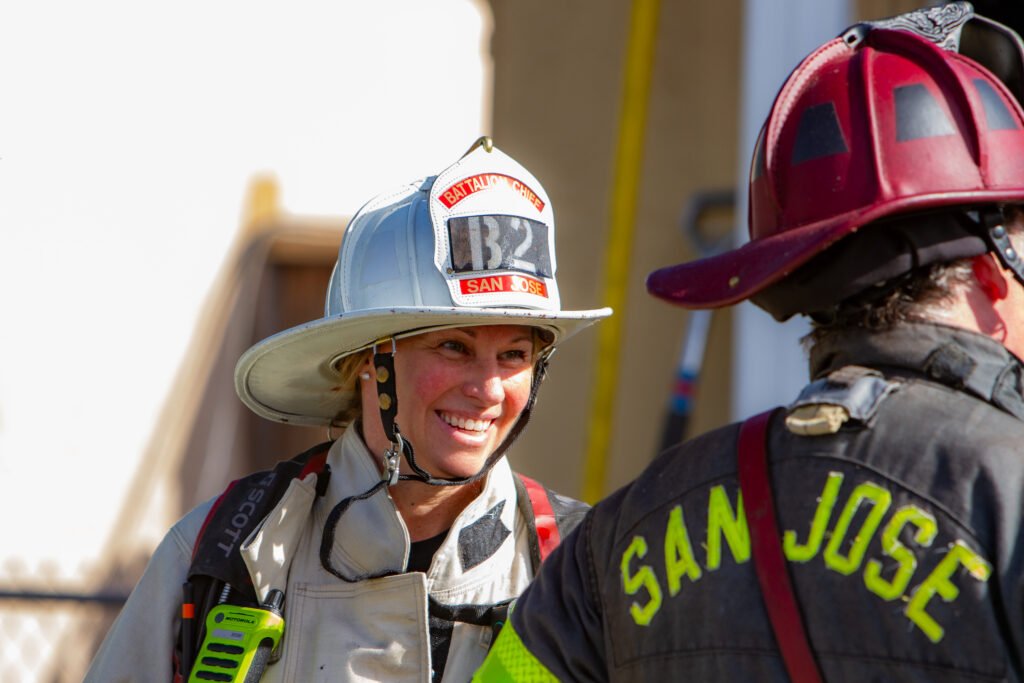
    The growing concerns surrounding women’s firefighter cancer risk are shedding new light on occupational health hazards in the fire service. Recent studies have pointed to the heightened exposure to harmful chemicals and carcinogens faced by firefighters, which is now a significant issue, especially for women whose specific health risks have not been as thoroughly examined. This focus on women’s health within the firefighting community is crucial, as it underscores the need for tailored protective measures and more inclusive research.

    Understanding Women’s Firefighter Cancer Risk

    Women in the fire service encounter unique challenges when it comes to understanding cancer risk. Beyond the general hazards posed by smoke and toxic fumes, anatomical and physiological differences might influence their susceptibility to various cancers. Previously, much of the research on cancer in firefighters primarily centered on male populations. Therefore, the intricacies of how carcinogenic exposure specifically affects female firefighters require further investigation.

    Why Female Firefighter Cancer Risk Requires Attention

    In focusing on women’s firefighter cancer risk, it’s important to consider occupational safety standards and how they may need adaptation. Protective gear, for instance, has traditionally been designed with men in mind. This design potentially leaves gaps in protection for women, exposing them to a greater concentration of toxins. Therefore, re-evaluation of these standards is necessary to bridge the gender gap in occupational safety.

    Emerging Studies and Findings

    Emerging research highlights that female firefighters may face increased incidence rates of reproductive cancers. Understanding these patterns is crucial in developing strategies to mitigate such risks. For example, hormonal factors and reproductive histories can interact with environmental exposures. Consequently, this interaction may necessitate personalized health monitoring for women in this field.

    Addressing the Gaps in Research

    While current data marks an essential step forward, significant research gaps remain. Many studies call for more in-depth investigations that focus specifically on female physiology in fire-related workplaces. Additionally, longitudinal studies are required to understand long-term health outcomes better. Thus, future research must encompass a broad spectrum of occupational, biological, and lifestyle factors.

    In conclusion, tackling women’s firefighter cancer risk requires a multi-faceted approach involving improved protective measures, focused research, and increased awareness. As we continue to explore this critical subject, the implications for policy change are substantial, potentially leading to improved health outcomes and safety for all firefighters.

    Key Takeaways

    • Women in the fire service face unique cancer risks due to occupational exposure and gender-specific biological factors.
    • Protective gear and safety standards must evolve to accommodate female firefighters’ specific needs.
    • Enhanced research focusing on women-specific health outcomes will be essential in adequately addressing these risks.

    Medical Disclaimer

    This content serves informational purposes only and does not constitute medical advice.

    Medical Intelligence News

    Related Posts

    Negative pressure wound healing in complex trauma recovery

    June 4, 2026

    Forgotten childbirth breastfeeding experiences revealed

    June 1, 2026

    Soy legumes hypertension prevention: a dietary breakthrough

    June 1, 2026
    Leave A Reply Cancel Reply

    Don't Miss
    Policy & Regulation

    Exploring revenue cycle management risks in healthcare

    By Medical Intelligence NewsJune 4, 20260

    Healthcare administration faces an under-recognized challenge as risks associated with revenue cycle management loom large.…

    musty bbl smell causes: insights from surgical analysis

    June 4, 2026

    Women’s firefighter cancer risk: what we know now

    June 4, 2026

    Negative pressure wound healing in complex trauma recovery

    June 4, 2026
    Stay In Touch
    • Facebook
    • Twitter
    • Instagram
    • WhatsApp
    Our Picks

    Exploring revenue cycle management risks in healthcare

    June 4, 2026

    musty bbl smell causes: insights from surgical analysis

    June 4, 2026

    Women’s firefighter cancer risk: what we know now

    June 4, 2026

    Negative pressure wound healing in complex trauma recovery

    June 4, 2026

    Subscribe to Updates

    Get the latest creative news from medicalintelligence.

    About Us

    Medical Intelligence delivers trusted updates on global and GCC healthcare trends, innovations, and AI in medicine. Stay informed with expert-driven content tailored for healthcare professionals and enthusiasts.

    Our Picks
    Categories
    • Aesthetic & Cosmetic Procedures
    • AI in Clinical Practice
    • Ayurveda & Traditional Medicine
    • Blog
    • Child Development & Parenting Science
    • Clinical Dermatology
    • Clinical Trials & Studies
    • Evidence & Safety in Alternative Care
    • Evidence-Based Nutrition
    • Fitness & Exercise
    • Healthcare News
    • Insights From Our Experts
    • Integrative Therapies
    • Mental Health & Well-being
    • Mental Health Science
    • Neurodevelopment & Brain Health
    • Policy & Regulation
    • Pregnancy & Reproductive Health
    • Reconstructive & Surgical Care
    • Research Analysis
    • Specialist Perspectives & Case-Based Insights
    • Systematic Reviews & Evidence Summaries
    Facebook X (Twitter) Instagram WhatsApp RSS
    • Home
    • About
    • Contact
    • Privacy Policy
    • Terms & Conditions
    © 2026 Medicalintelligence. Designed by Medicalintelligence.

    Type above and press Enter to search. Press Esc to cancel.