

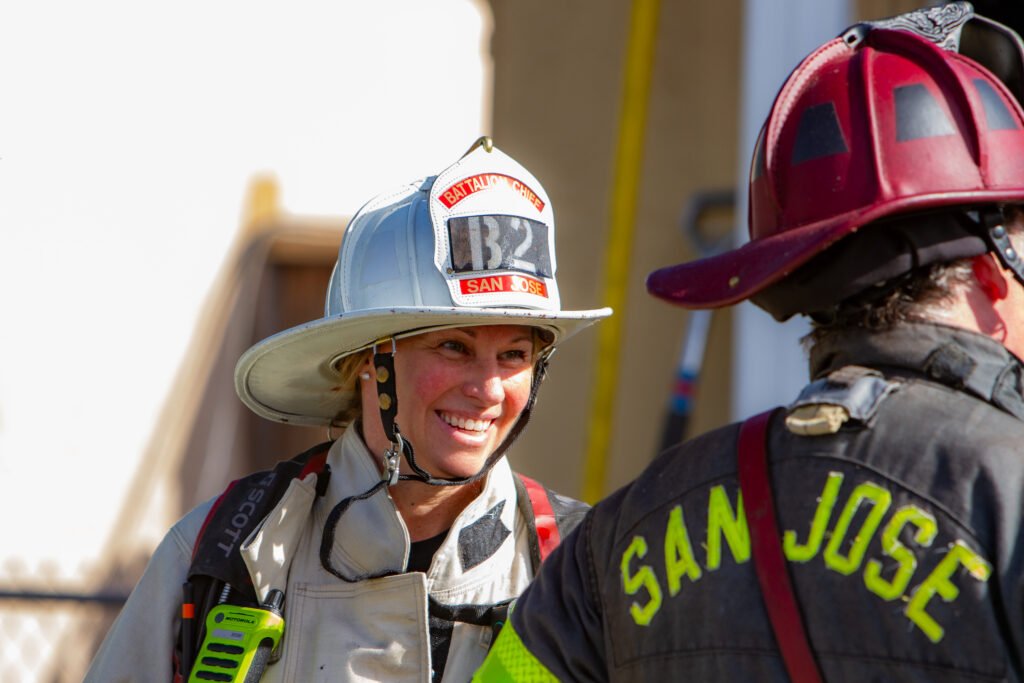
The growing concerns surrounding women’s firefighter cancer risk are shedding new light on occupational health hazards in the fire service. Recent studies have pointed to the heightened exposure to harmful chemicals and carcinogens faced by firefighters, which is now a significant issue, especially for women whose specific health risks have not been as thoroughly examined. This focus on women’s health within the firefighting community is crucial, as it underscores the need for tailored protective measures and more inclusive research.
Understanding Women’s Firefighter Cancer Risk
Women in the fire service encounter unique challenges when it comes to understanding cancer risk. Beyond the general hazards posed by smoke and toxic fumes, anatomical and physiological differences might influence their susceptibility to various cancers. Previously, much of the research on cancer in firefighters primarily centered on male populations. Therefore, the intricacies of how carcinogenic exposure specifically affects female firefighters require further investigation.
Why Female Firefighter Cancer Risk Requires Attention
In focusing on women’s firefighter cancer risk, it’s important to consider occupational safety standards and how they may need adaptation. Protective gear, for instance, has traditionally been designed with men in mind. This design potentially leaves gaps in protection for women, exposing them to a greater concentration of toxins. Therefore, re-evaluation of these standards is necessary to bridge the gender gap in occupational safety.
Emerging Studies and Findings
Emerging research highlights that female firefighters may face increased incidence rates of reproductive cancers. Understanding these patterns is crucial in developing strategies to mitigate such risks. For example, hormonal factors and reproductive histories can interact with environmental exposures. Consequently, this interaction may necessitate personalized health monitoring for women in this field.
Addressing the Gaps in Research
While current data marks an essential step forward, significant research gaps remain. Many studies call for more in-depth investigations that focus specifically on female physiology in fire-related workplaces. Additionally, longitudinal studies are required to understand long-term health outcomes better. Thus, future research must encompass a broad spectrum of occupational, biological, and lifestyle factors.
In conclusion, tackling women’s firefighter cancer risk requires a multi-faceted approach involving improved protective measures, focused research, and increased awareness. As we continue to explore this critical subject, the implications for policy change are substantial, potentially leading to improved health outcomes and safety for all firefighters.
Key Takeaways
- Women in the fire service face unique cancer risks due to occupational exposure and gender-specific biological factors.
- Protective gear and safety standards must evolve to accommodate female firefighters’ specific needs.
- Enhanced research focusing on women-specific health outcomes will be essential in adequately addressing these risks.
Medical Disclaimer
This content serves informational purposes only and does not constitute medical advice.
