

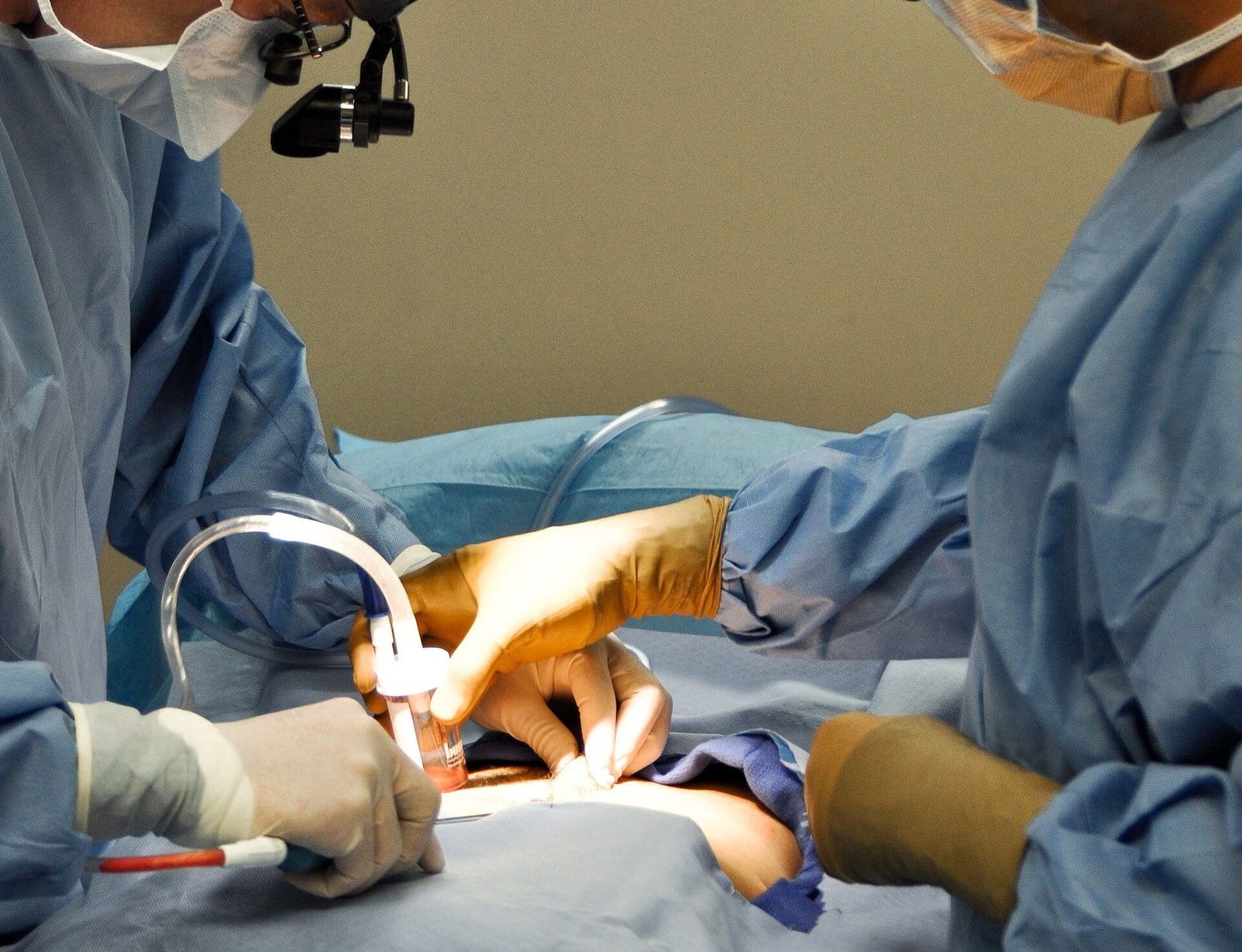
Amidst Colombia’s thriving cosmetic surgery market, a troubling underbelly emerges: the rise of illegal cosmetic clinics. These unauthorized facilities, often termed “garage clinics,” present significant dangers to individuals seeking aesthetic enhancements. The prevalence of such clinics is notably alarming given the potential harm to public health and patient safety. Beyond the immediate health risks, they underscore broader systemic issues within the country’s healthcare regulatory framework.
The Rise of Illegal Cosmetic Clinics in Colombia
The surge of illegal cosmetic clinics in Colombia has grown parallel to the country’s reputation as a global hub for affordable and high-quality plastic surgeries. However, the lax enforcement of medical standards has allowed unauthorized practices to flourish. These garage clinics often lack the sterile environments and qualified personnel necessary for safe procedures, resulting in numerous medical complications. For example, patients frequently report infections, botched surgeries, and in extreme cases, life-threatening conditions. This issue not only jeopardizes individual well-being but also strains the country’s healthcare infrastructure with avoidable emergencies.
The Appeal and Risks of Underground Procedures
Several factors contribute to the allure of illegal cosmetic options in Colombia. Primarily, these procedures are significantly less expensive than those offered by licensed professionals. Additionally, some consumers are drawn by the promise of easy and quick fixes. However, this enticing facade masks severe dangers. Illegal clinics are often staffed by unlicensed practitioners who may use substandard products. Consequently, patients risk enduring not only unsatisfactory results but also lasting health ramifications that legitimate facilities meticulously avoid.
Regulatory Challenges in Curbing Illegal Practices
The Colombian government faces considerable challenges in regulating the burgeoning illegal cosmetic industry. While efforts to close down unlicensed clinics continue, the sheer volume and secretive nature of these operations complicate enforcement. Furthermore, the lack of comprehensive, readily accessible data on licensed practitioners hampers potential patients’ ability to make informed choices. Legislation aimed at increasing penalties and strengthening oversight is critical yet must be paired with enhanced public awareness campaigns to mitigate this clandestine threat effectively. Such initiatives could draw inspiration from models like the UAE’s approach to leveraging healthcare reform for economic benefit.
Healthcare and Policy Implications
The crisis surrounding illegal cosmetic clinics in Colombia extends beyond individual health consequences and touches on broader healthcare policy implications. There is an urgent need for more robust healthcare policies that prioritize patient safety and enforce stringent regulations on cosmetic procedures. Moreover, the government should invest in educational programs that inform citizens about the risks associated with illegal procedures. In addition, international cooperation might be necessary to address this issue at a global level, deterring cross-border cosmetic tourism driven by unscrupulous offers, similar to the role of innovative diagnostic tools in improving patient care and outcomes.
In conclusion, the proliferation of illegal cosmetic clinics in Colombia not only spotlights the vulnerabilities in the nation’s healthcare regulation but also highlights an urgent need for policy reform. These clandestine operations pose a significant public health risk, requiring concerted efforts from the government, healthcare professionals, and the public. Therefore, ensuring patient safety and maintaining the integrity of medical practices should be paramount in future initiatives.
Key Takeaways
- The rise of illegal cosmetic clinics in Colombia poses significant risks to patient safety.
- Regulatory challenges persist despite efforts to curb unauthorized practices.
- Enhanced policy measures and public awareness are crucial to addressing this crisis.
Medical Disclaimer
This content is for informational purposes only and does not constitute medical advice.
