

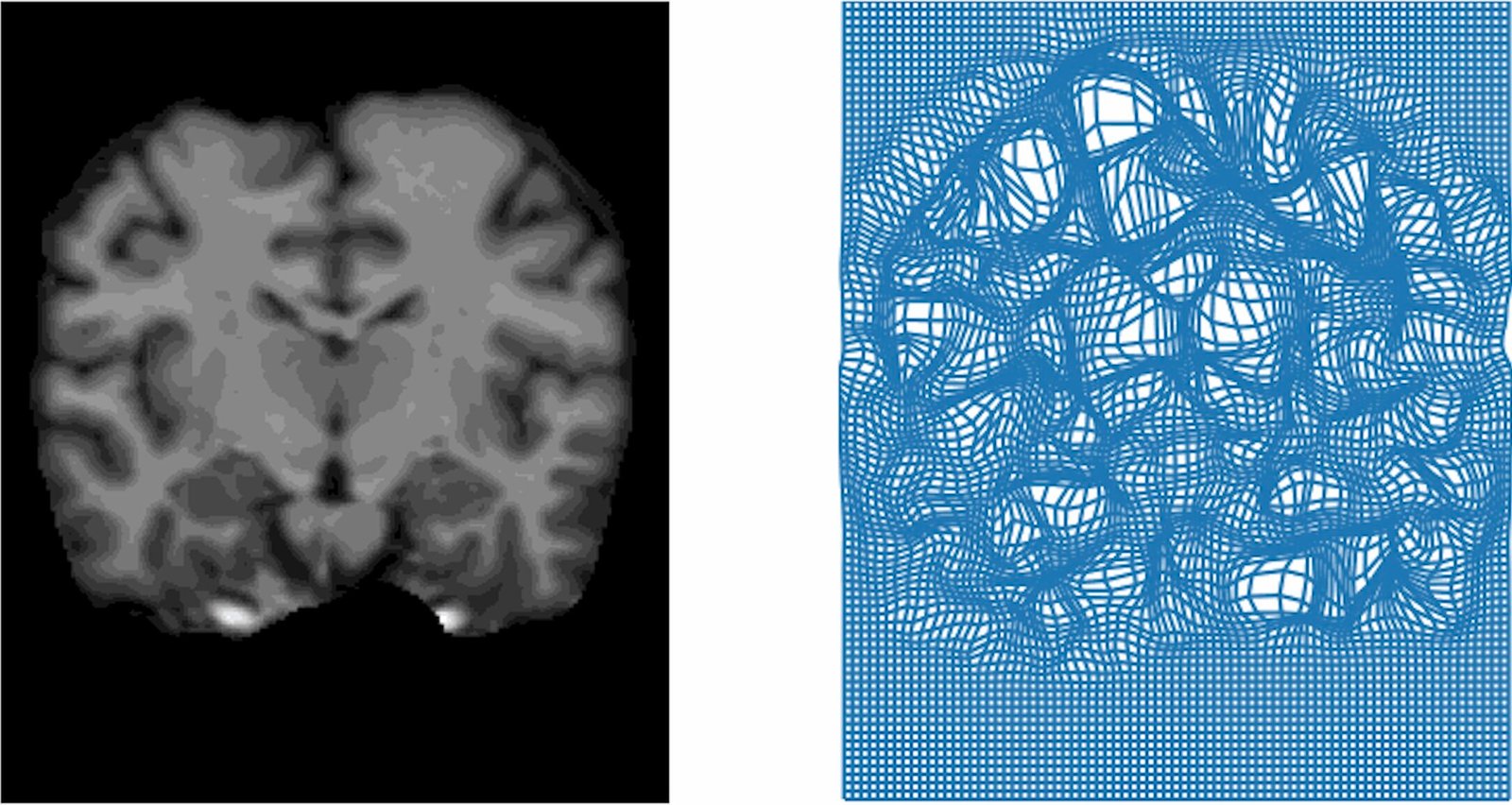
Penn Engineers have crafted an open-source medical image algorithm, offering a groundbreaking advancement in the realm of image analysis. This new tool leverages AI’s rapid processing powers combined with precise geometry to hasten and perfect the comparison of complex medical images, slashing analysis time from weeks to mere minutes. Its release is a pivotal development for the medical field, promising to enhance diagnostic accuracy and the detection of subtle changes crucial to effective patient care.
How the Open Source Medical Image Algorithm Works
The newly developed algorithm operates at the cutting edge of AI technology by seamlessly integrating artificial intelligence with precise geometric calculations. This synergy allows for high-speed processing without compromising the detail required in medical diagnostics. By swiftly matching complex medical images, the algorithm identifies even the most subtle changes, enabling faster and more accurate medical evaluations. Scientists believe this advancement could redefine medical imaging protocols, thereby significantly enhancing patient outcomes.
Benefits of the Algorithm in Clinical Settings
The introduction of this open source medical image algorithm into clinical settings signifies a quantum leap in medical diagnostics. Clinical teams, for instance, can now perform image analysis in minutes instead of days, resulting in quicker diagnosis and more timely interventions. Moreover, its open-source nature encourages widespread adoption and adaptation, allowing medical facilities worldwide to integrate the technology into their existing systems. Importantly, this democratization of high-tech medical tools enables smaller institutions to benefit from innovations frequently limited to large research hospitals.
Potential Impacts on Patient Care
The deployment of this algorithm is poised to affect patient care on multiple levels. In practice, faster image analysis means reduced waiting times for results, which can have a profound impact on treatment plans and patient experiences. Furthermore, earlier detection of changes in medical images allows for immediate modifications to treatment strategies, potentially improving prognosis and survival rates. This technological leap could also facilitate more regular monitoring of chronic conditions without overwhelming medical resources.
Future Implications and Research Directions
Although the algorithm currently enhances medical imaging, its potential extends beyond its present capabilities. Researchers are exploring further improvements and applications that might include personalized medicine and real-time diagnostics. Such enhancements could transform not only how medical professionals interpret images but also how patients engage with their own healthcare. As research continues, the anticipated improvements may unlock new possibilities in health monitoring and disease prevention. This aligns with broader industry trends as seen in the women’s health industry prospects, underpinning a new era of medical innovation.
Key Takeaways
- The open-source algorithm significantly reduces the time required for medical image analysis.
- Faster processing and improved accuracy could profoundly impact patient diagnosis and treatment.
- Research continues to expand its applications for broader healthcare improvements.
Medical Disclaimer
This article provides informational content and should not be considered as medical advice.
