

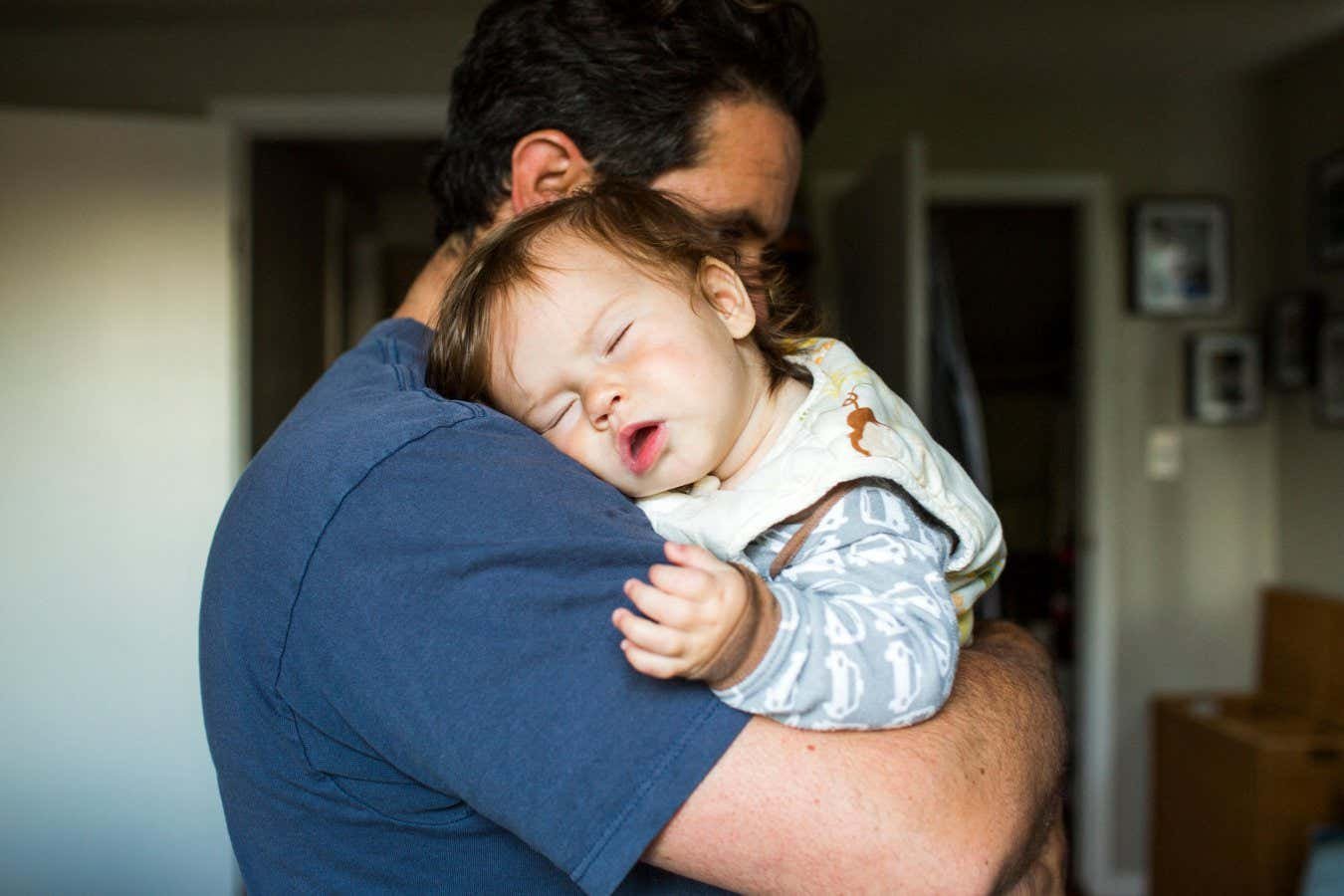
The science of fatherhood is evolving, as Darby Saxbe’s new book, “Dad Brain,” suggests. This vital exploration acknowledges that fathers are often overlooked in parenting research, a gap Saxbe aims to fill. Understanding the shifts in fatherhood’s role is essential for acknowledging its impact not only on families but also on broader societal structures.
The Pioneering Research in the Science of Fatherhood
Saxbe’s work delves into the neuroscience and psychology of fatherhood, offering insights into how paternal involvement influences child development. Traditionally, researchers underestimated the father’s role in child rearing, but Saxbe’s analysis challenges this notion. They argue that fatherhood catalyzes significant emotional and cognitive changes in men, emphasizing that dads are not merely ancillary figures in parenting.
Neuroscientific Insights on Dad Brain
Significantly, Saxbe examines how becoming a father can reshape the male brain. Studies indicate that engaging in childcare activities influences brain regions tied to empathy and decision-making, which underscores the profound neural transformations fathers experience. Consequently, these changes boost a father’s capacity to nurture and support their children’s needs effectively.
Implications of Fatherhood on Family Dynamics
Beyond individual transformations, Saxbe posits that active fatherhood profoundly affects family dynamics. An involved father can lead to enhanced emotional security and better developmental outcomes for children. For families, this involvement reduces stress levels and builds a more balanced partnership between parents, providing a robust framework for child rearing.
Impact on Broader Society
Saxbe’s research also explores how nurturing fathers contribute positively beyond the household. Fathers play a defining role in challenging traditional gender roles, promoting gender equity, and influencing workplace policies that accommodate active parenting roles. These shifts could lead to societal changes, where shared parental responsibilities become the norm, fostering healthier work-life balances for both genders.
Challenges and Future Directions in Fatherhood Research
Nevertheless, Saxbe acknowledges that despite these findings, the study of fatherhood still faces obstacles, such as societal stereotypes and limited policy frameworks that support paternity leave and active fatherhood. Future research should focus on dismantling these barriers, providing clearer pathways for fathers to engage fully in parenting without cultural or institutional limitations.
Darby Saxbe’s “Dad Brain” is more than a book; it is a clarion call for a paradigm shift in how society perceives and studies fatherhood. By reevaluating paternal roles, we can foster environments that benefit children, parents, and society at large.
