

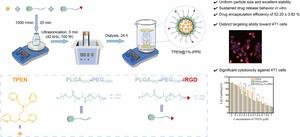
Recent advancements in copper cancer therapy nanoparticles have spotlighted an innovative approach transforming the landscape of cancer treatment. Researchers from Guizhou Medical University have introduced a novel method that exploits high copper levels within cancer cells to trigger their own destruction, offering a promising alternative to traditional treatment modalities.
Copper Cancer Therapy Nanoparticles: A Game Changer
The new therapy leverages targeted nanoparticles to deliver TPEN, a copper-chelating agent, directly into tumor cells. This approach exploits naturally occurring copper in cancer cells rather than relying on external copper administration, therefore minimizing systemic toxicity. The iRGD-modified PLGA-PEG nanoparticles serve as effective delivery vehicles, ensuring precise targeting to maximize therapeutic impact.
Navigating Tumor Cells: Precision and Efficacy
One significant challenge in traditional cuproptosis-based treatments is the difficulty in selectively targeting cancer cells. The modification of nanoparticles with iRGD provides a solution by enhancing tumor-specific uptake. As a result, researchers can harm cancer cells effectively without affecting healthy cells. Furthermore, by utilizing the body’s natural copper resources, this method circumvents the complications associated with administering external metals.
Understanding the Mechanism Behind Nanoparticle Efficacy
Remarkably, these nanoparticles offer dual benefits: precise targeting and activation of copper-dependent cell death. According to a study published in Biomedical Analysis, this approach minimizes the need for high external copper doses, which previously heightened toxicity risks. Consequently, researchers have paved the way for safer treatments with reduced adverse effects.
The integration of this technology represents a significant leap in the fight against cancer. By harnessing copper already abundantly present within cancer cells, the therapy can initiate cell death effectively, mitigating challenges encountered in conventional therapies. Notably, this method enhances the specificity of treatment, providing a promising pathway toward more personalized medicine.
Key Takeaways
- Targeted nanoparticles aid in delivering copper-chelating TPEN directly to tumor cells.
- The therapy exploits already high copper concentrations in cancer cells, minimizing systemic toxicity.
- Research in this area is emerging, offering a promising approach to personalized cancer treatment.
Medical Disclaimer
This content is for informational purposes only and should not be considered medical advice.
