

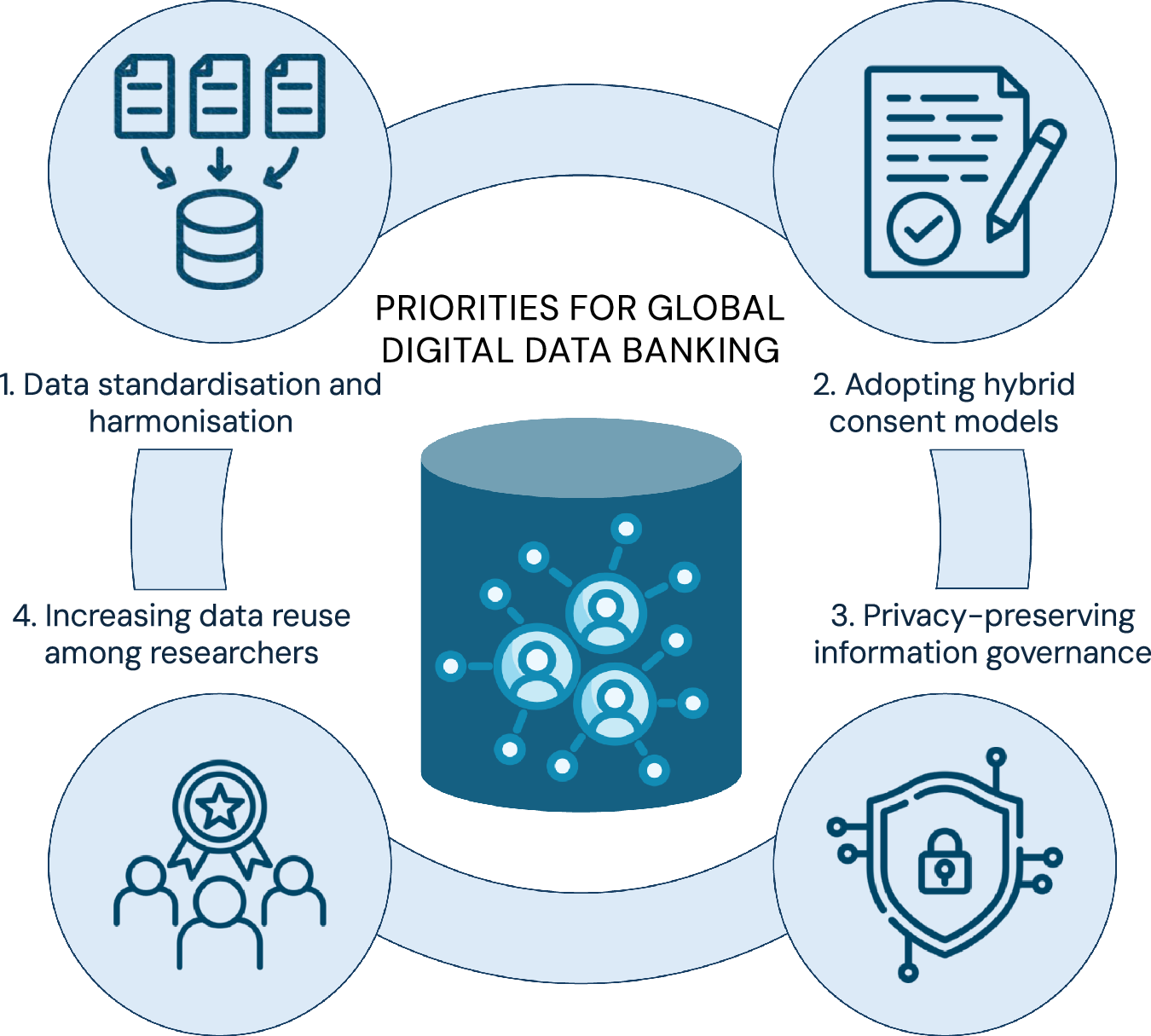
Digital phenotyping for mental health is revolutionizing the way researchers understand human behavior by collecting and analyzing data from digital devices. This transformative approach has recently gained significant traction, offering promising avenues for enhancing mental health diagnostics and interventions. However, as this field matures, establishing a robust global data banking system becomes crucial to harness its full potential.
Digital Phenotyping Mental Health: A New Frontier
Digital phenotyping involves the use of data from smartphones and wearables to objectively assess mood, cognition, and behavior. Unlike traditional assessments relying on self-reporting, this method provides real-time insights into individuals’ mental states. The implications of digital phenotyping for mental health are profound, offering unprecedented accuracy and personalized treatment plans. This resonates with the growing demand in the mental health market, highlighting an increased prioritization of mental well-being.
Challenges in Data Collection and Privacy
While digital phenotyping promises to advance mental health strategies, it also raises concerns regarding data privacy and security. With user data at the core of digital phenotyping, protecting privacy becomes paramount. Researchers must navigate these challenges carefully to build trust and encourage participation. Moreover, varying global data protection laws necessitate a harmonized framework for effective implementation across borders.
Collaboration for a Global Data Banking System
To maximize the benefits of digital phenotyping for mental health, a unified global data banking system is essential. This would require collaboration among researchers, technology companies, and policymakers to ensure data interoperability and standardization. Such a system could significantly enhance the development of comprehensive mental health solutions and facilitate large-scale research studies.
In turn, stakeholders could leverage this data to refine algorithms, making them more predictive and accurate. As a result, mental health interventions can be timed more effectively and tailored to individual needs, similar to the foresight in children’s mental health services.
Future Directions and Implications
The future of digital phenotyping for mental health holds infinite possibilities. Researchers can anticipate an era where personalized mental health care is the norm rather than the exception. As technology continues to evolve, digital phenotyping might integrate with other innovative fields, such as artificial intelligence and machine learning, to offer even deeper insights into human psychology. Therefore, understanding these implications and investing in global collaborative efforts is paramount for success.
Key Takeaways
- Digital phenotyping allows real-time, objective analysis of mental health through digital data.
- Global collaboration and data standardization are essential for advancing digital phenotyping frameworks.
- Data privacy and security challenges must be addressed to foster trust and participation.
Medical Disclaimer
This article is for informational purposes only and does not constitute medical advice.
