

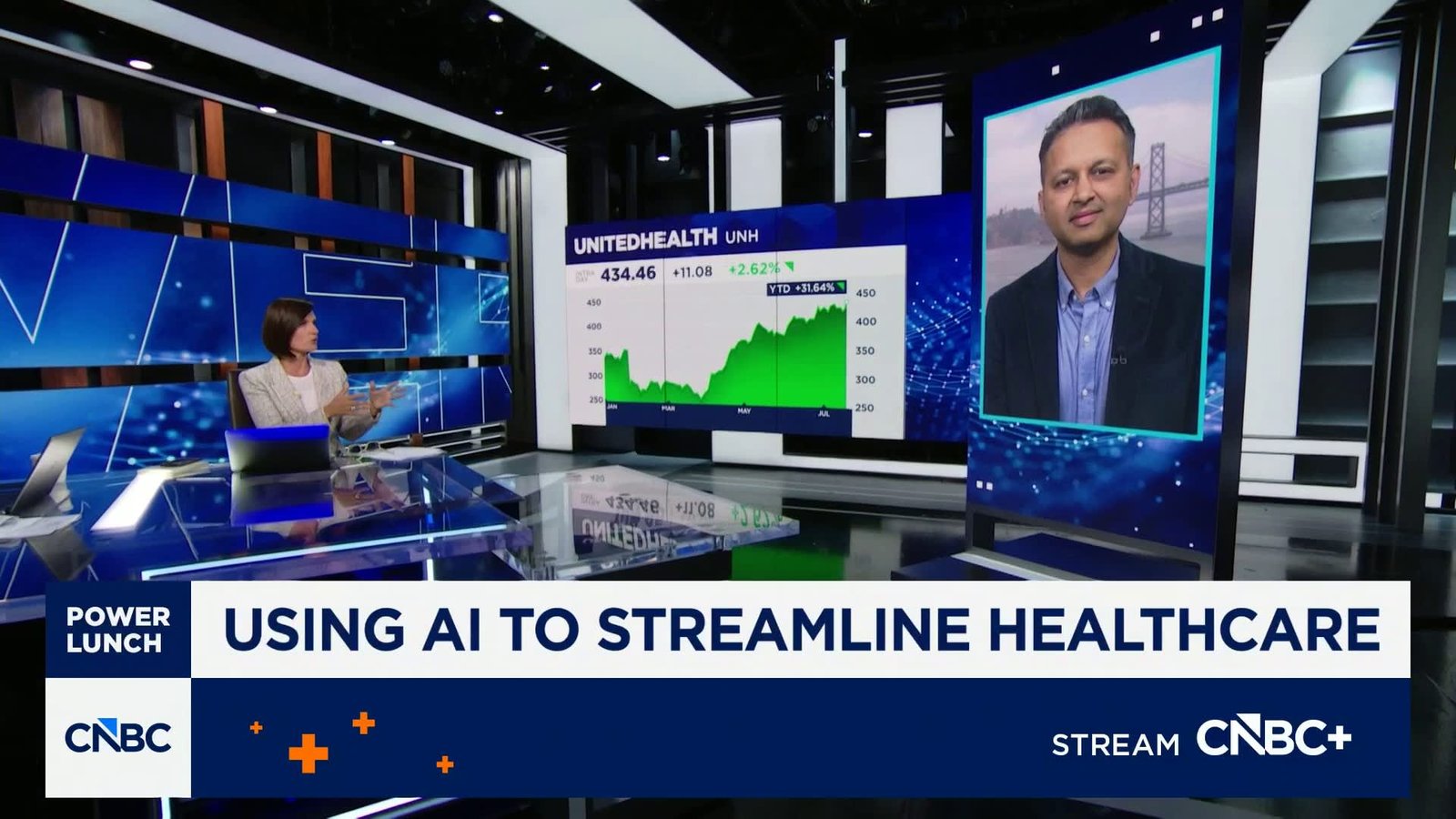
Integrating AI into healthcare is revolutionizing the industry, notably enhancing efficiency and freeing nurses to prioritize patient care. Ankit Jain, CEO of Infinitus Systems, recently discussed the transformative potential of AI in healthcare on CNBC’s ‘Power Lunch’. The discussion highlighted how AI technologies streamline operations, reduce administrative burdens, and allow healthcare professionals to focus more on direct patient interaction.
AI Streamlining Healthcare: Unlocking Potential
The healthcare sector, traditionally plagued by extensive paperwork and documentation, is witnessing a significant evolution with the infusion of AI. By automating routine tasks, AI reduces the administrative load on healthcare staff, particularly nurses. Consequently, this shift enables them to dedicate more time to patient-focused activities, enhancing overall care quality.
How AI Is Transforming Nursing Roles
Nursing roles often involve juggling an overwhelming array of tasks. However, AI’s ability to handle repetitive and time-consuming duties allows nurses to concentrate on critical responsibilities that demand human touch, such as patient assessments and emotional support. Additionally, AI aids in improving decision-making by analyzing medical data and providing insights that can guide clinical practices.
The Broader Implications of AI in Healthcare
Beyond aiding individual healthcare professionals, AI’s integration promises systemic improvements. For example, it can streamline patient appointment scheduling, manage electronic health records more efficiently, and even predict patient outcomes. Moreover, healthcare organizations can harness AI to optimize resource allocation and improve operational efficiency, resulting in cost savings and enhanced patient satisfaction.
Nevertheless, the transition to AI-powered systems is not without challenges. Some resistance stems from concerns about job displacement and data privacy. Yet, AI advocates argue that these technologies complement human roles rather than replace them, providing a collaborative environment that emphasizes human expertise.
Key Takeaways
- AI reduces the administrative workload of healthcare professionals, particularly nurses, enabling a greater focus on patient care.
- Integrating AI enhances decision-making capabilities and optimizes healthcare outcomes.
- While challenges like job displacement and privacy concerns exist, AI promises collaborative and efficient healthcare environments.
Medical Disclaimer
This article is for informational purposes only and does not constitute medical advice.
