

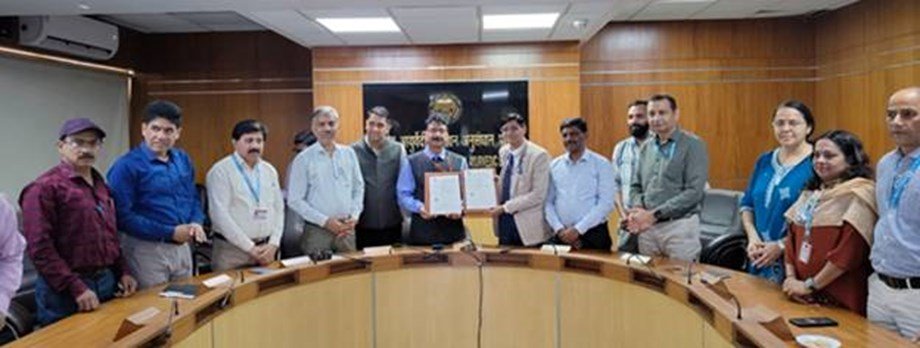
The partnership between CCRAS and AICTE’s Anuvadini AI to integrate AI translation for Ayurveda marks a significant milestone in bridging language barriers within the healthcare sector. This initiative aims to democratize evidence-based Ayurvedic knowledge by translating it into 13 Indian languages, thereby enhancing accessibility and understanding across diverse linguistic communities.
AI Translation for Ayurveda: A Linguistic Revolution
The collaboration between the Central Council for Research in Ayurvedic Sciences (CCRAS) and the All India Council for Technical Education (AICTE) to employ Anuvadini AI represents a groundbreaking use of technology in Ayurveda. By translating complex Ayurvedic research and treatment protocols into multiple Indian languages, this project empowers a wider audience. Consequently, speakers of various regional languages can now access vital health information, which was previously confined to those proficient in English or Hindi.
Empowering Regional Language Speakers
AI translation for Ayurveda broadens the scope of medical knowledge dissemination. Notably, this initiative serves as a model for other sectors plagued by language barriers, such as education and law. As a result, it can inspire similar ventures aimed at linguistic inclusivity, ultimately fostering a more informed and health-conscious society.
The Role of AI in Healthcare Communication
AI’s involvement in healthcare communication significantly improves information flow and accessibility. In this context, Anuvadini AI’s powerful language processing capabilities ensure that translations maintain accuracy and nuance, critical to medical contexts. Furthermore, by adopting AI technology, healthcare professionals can more effectively communicate complex medical concepts to a diverse population, supporting better patient understanding and engagement.
The impact of this project extends beyond just public health. The improved accessibility of Ayurvedic knowledge may encourage other traditional medicine practices to adopt similar approaches, thereby enriching the global health landscape. Consequently, this can lead to a diverse and inclusive approach to healthcare education and implementation, where multiple traditions and languages coexist and support patient care.
The Future of AI-Driven Multilingual Healthcare
As the demand for multilingual healthcare information grows, the success of this initiative could prompt a comprehensive adoption of AI-driven translation tools across the sector. Such advancements could lead to a more interconnected and cooperative global healthcare environment. Integrating AI translation for Ayurveda establishes a necessary precedent for other traditional healing practices to follow, potentially transforming how healthcare is perceived and practiced worldwide.
In conclusion, the partnership between CCRAS and AICTE through Anuvadini AI is poised to revolutionize the accessibility of Ayurvedic medicine. This endeavor highlights the importance of bridging linguistic divides to promote a more inclusive and effective healthcare system.
Key Takeaways
- This AI-driven translation project enhances access to Ayurvedic information across 13 Indian languages.
- The initiative serves as a model for integrating AI into diverse sectors to overcome language barriers.
- Future applications may include broader adoption of AI tools, fostering global healthcare inclusivity.
Medical Disclaimer
The content provided in this article is for informational purposes only and should not be considered medical advice.
