

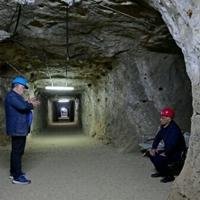
Armenia’s underground salt cave therapy, located beneath its capital, offers an intriguing alternative to conventional asthma treatments. This unique approach has become a centerpiece in the ongoing debate surrounding alternative medicine. Enthusiasts advocate for its therapeutic benefits, while skeptics demand more scientific evidence. As this debate intensifies, understanding the nuances of Armenia’s salt cave therapy becomes crucial.
Understanding Armenia Salt Cave Therapy
Armenia’s salt cave therapy involves patients descending into subterranean chambers carved from salt deposits. Supporters claim that the cave’s micro-climate and mineral-rich air provide relief for respiratory conditions such as asthma. However, the treatment remains controversial, and health experts argue that evidence is still emerging regarding its efficacy. Therefore, the therapy’s popularity poses significant questions about how alternative medicine fits within modern healthcare paradigms.
The Claims and the Controversy
Proponents of Armenia’s salt cave therapy suggest that the practice benefits respiratory health by promoting clear airways and reducing inflammation. Some patients reportedly experience noticeable improvement in their symptoms. Nevertheless, critics argue that the benefits are largely anecdotal and call for more rigorous scientific evaluations. Consequently, ongoing debates about the potential merits of alternative treatments highlight the gap between traditional and non-traditional medicine. This situation is akin to discussions in the Integrative Healthcare Innovation Summit, which emphasized the need for reliable evidence in alternative practices.
Impact on Armenia’s Healthcare Landscape
Armenia’s endorsement of salt cave therapy reflects a growing interest in non-conventional healing practices within the region. Despite limited scientific backing, increasing patient demand indicates a shifting perspective towards integrating alternative therapies. Meanwhile, the Armenian government faces pressure to examine whether these treatments should hold a formal place within the national healthcare system. As a result, this case serves as a microcosm of the broader international discourse on alternative medicine.
The Future of Alternative Therapies
The controversy surrounding Armenia’s salt cave therapy underscores a larger issue within global health communities: how to reconcile scientific scrutiny with patient demand for holistic treatments. As research continues, policymakers might need to balance public interest with evidence-based guidelines. Significantly, this could lead to either a reformation in the way health institutions address non-conventional therapies or further compartmentalization of alternative and mainstream medicine. The emergence of AI platforms reshaping healthcare could be part of crafting new paradigms in health policy discussions.
Moving Forward
For those considering Armenia’s salt cave therapy or similar treatments, it’s important to approach with an informed perspective. Current evidence remains limited at this stage, emphasizing the need for caution and realistic expectations. Meanwhile, advocates for alternative medicine are urging further study to substantiate their claims. Both sides agree on the necessity for more comprehensive research, which holds promise for clearer guidance on integrating such options into routine healthcare practices.
Key Takeaways
- Armenia’s salt cave therapy is a focal point in debates about alternative treatment efficacy.
- Research is still emerging, with limited scientific support for its therapeutic claims.
- Policymakers face challenges balancing public interest with evidence-based healthcare practices.
Medical Disclaimer
This article provides information and is not a substitute for professional medical advice.
