

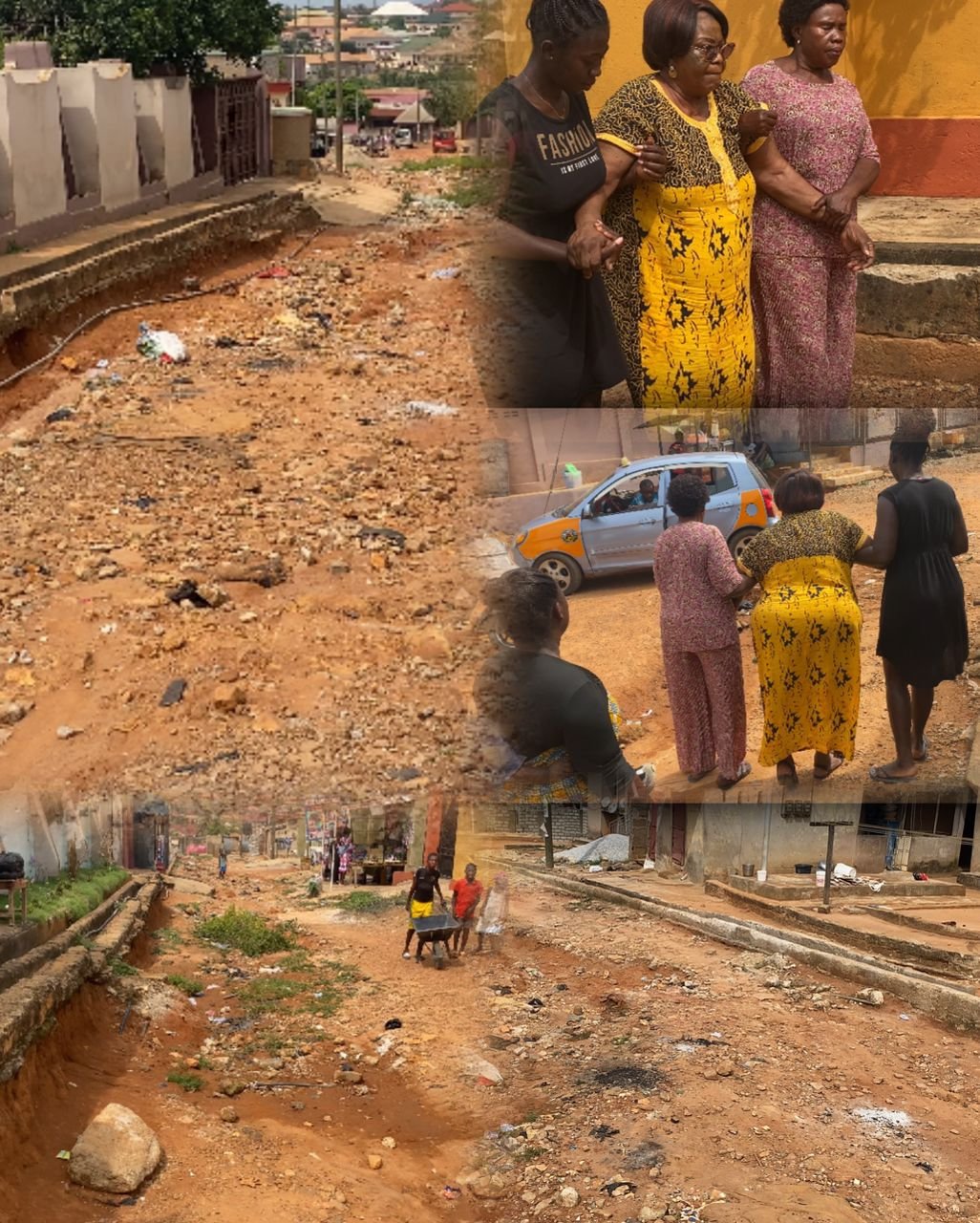
Residents of Atonsu Bokro in the Asokwa Municipality are grappling with dire road conditions, as reported by community members. For this reason, the Atonsu Bokro road conditions now compel young residents to carry sick and elderly individuals on their backs to access transportation to the hospital, especially in emergencies. The community’s inner roads have deteriorated so badly that they are directly affecting health access and dignity, as 80-year-old resident Madam Lucy Abban emphasized. Notably, this situation raises significant issues regarding infrastructure and public health in the region.
The ramifications of these poor road conditions extend beyond inconvenience; they exacerbate the daily hardships faced by vulnerable groups in Atonsu Bokro. Consequently, local movements become both physically challenging and emotionally taxing, particularly for families with health emergencies. Reports indicate that the sense of isolation is growing among residents, with transportation to medical facilities becoming a strenuous and undignified process. As a result, the community demands immediate governmental intervention to alleviate these compounded difficulties.
Atonsu Bokro Road Conditions and Community Concerns
Community leaders have long appealed to municipal authorities for road improvements, highlighting an urgent need for action. However, despite their efforts, little progress has been made in addressing these basic infrastructure issues. This deterioration impedes essential services, such as emergency medical transport, significantly affecting the residents’ quality of life. Moreover, the lack of reliable infrastructure further isolates the community, creating both logistical and social barriers.
Health Implications of Neglected Infrastructure
Embedded in the broader implications of the Atonsu Bokro road conditions are significant health risks. Residents are increasingly concerned about delayed medical interventions, which become inevitable due to poor roadways. Notably, these delays can lead to worsening health outcomes, particularly for the elderly and those with chronic illnesses. Consequently, many feel abandoned by the authorities tasked with ensuring their welfare and access to essential services. This reflects similar challenges discussed in the article on emotional distress in neurodevelopmental children, where inadequate support systems amplified existing issues.
Potential Governmental Responses and Initiatives
Given the severity of the Atonsu Bokro road conditions, local advocacy groups are urging for a comprehensive governmental response. They propose that immediate rehabilitation efforts commence to ensure safe and accessible roadways for all. Besides governmental efforts, community-driven initiatives can play a pivotal role in maintaining roads, potentially establishing partnerships aimed at sustainable development. Such initiatives could serve as a model for addressing similar infrastructure challenges in other regions.
Looking ahead, it will be crucial to monitor the government’s responsiveness to this infrastructural crisis. The residents’ plight underscores the need for quicker interventions to restore accessibility and dignity in Atonsu Bokro. Thus, stakeholders are tasked with crafting proactive solutions, addressing the root of such infrastructural inadequacies to safeguard health and enhance community resilience.
