

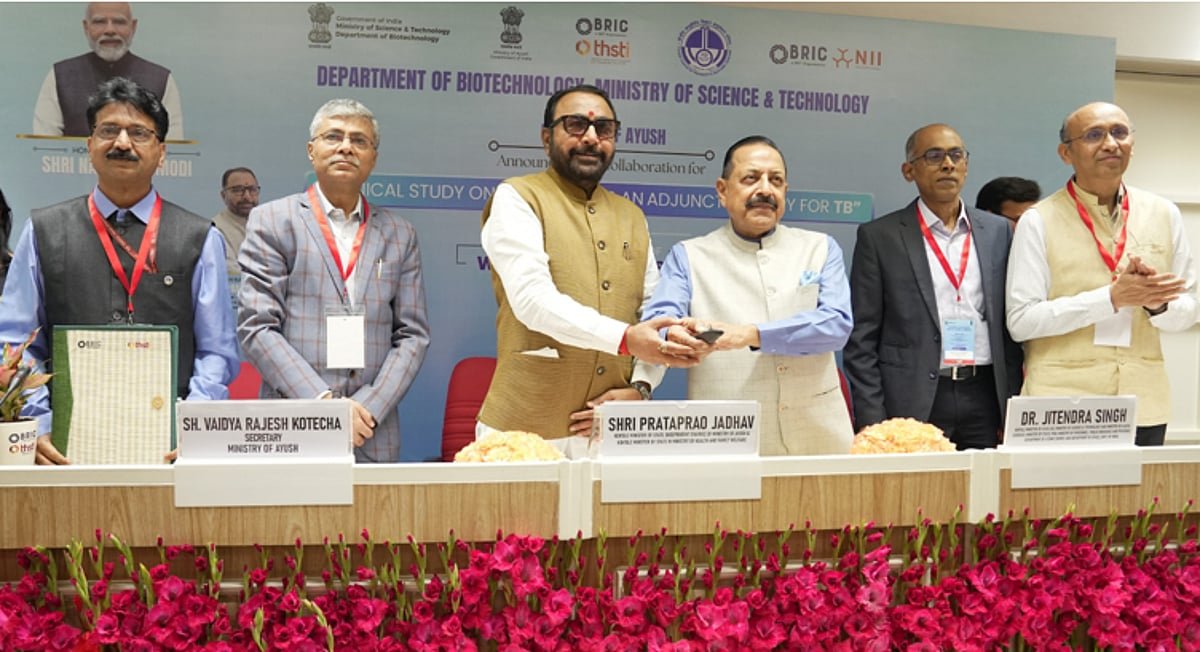
India has launched the world’s first clinical study that integrates Ayurveda with conventional tuberculosis (TB) therapy, a pioneering initiative that aims to enhance patient recovery and nutrition. This landmark study signifies a critical advancement in evidence-based integrative healthcare, potentially setting new standards for TB treatment worldwide.
Ayurveda TB Treatment Study: A Global First
India’s innovative study seeks to explore how Ayurveda, an age-old holistic healing system, can complement standard TB treatments. Researchers believe that integrating Ayurvedic practices could accelerate recovery rates by addressing both the physical and nutritional needs of patients. This initiative marks a significant step in an era where traditional medicine increasingly intersects with modern healthcare methodologies.
Why Integrate Ayurveda with TB Therapy?
TB remains one of the world’s most persistent diseases, demanding comprehensive treatment approaches. However, TB therapy mostly involves pharmacological interventions, which, although effective, often neglect the patient’s overall nutritional and holistic needs. Ayurveda, in contrast, offers a more comprehensive approach by emphasizing nutrition and overall well-being, potentially reducing the recovery time and improving patient outcomes.
The Mechanisms of Ayurveda in TB Treatment
Ayurveda could play a crucial role in enhancing TB treatment through its personalized approach, addressing individual health needs. This system of medicine considers factors like diet, lifestyle, and mental health, which are often sidelined in traditional TB care. By incorporating these elements, Ayurveda may help in bolstering the immune system and providing additional nutritional support, thereby aiding faster recovery.
Anticipated Implications of the Study
The Ayurveda TB treatment study not only aims to improve health outcomes for TB patients but also hopes to establish a precedent for the integration of traditional and modern healthcare practices. Successful results could pave the way for Ayurveda’s application in treating other chronic diseases, fostering a more inclusive approach to global health issues. Researchers are optimistic that the findings will offer substantial evidence to support the wider application of integrative healthcare practices. However, they caution that while promising, research in this domain is still emerging, and its evidence remains limited at this stage.
Key Takeaways
- The study explores the integration of Ayurveda with TB therapy to potentially enhance recovery and nutrition.
- By incorporating holistic health aspects, Ayurveda may bolster immune response and reduce TB recovery time.
- Results could influence broader adoption of integrative healthcare practices for chronic diseases.
Medical Disclaimer
This article is for informational purposes only and does not constitute medical advice.
