

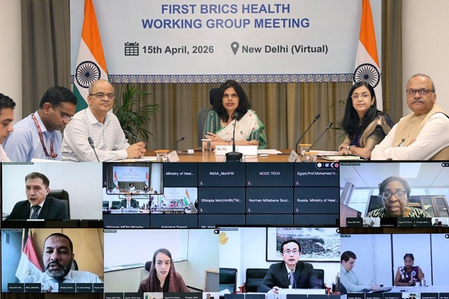
India has recently hosted the inaugural BRICS Health Working Group meeting for 2026, marking a significant step in advancing BRICS health cooperation. This virtual gathering convened senior health officials and delegates from nine member nations, aiming to collaborate on crucial public health priorities such as tuberculosis research, digital health architecture, and mental wellness. The discussions, both timely and critical, echo the growing need for cooperative strategies to tackle pressing health issues in a rapidly globalizing world.
Strategic Objectives in BRICS Health Cooperation
The primary agenda of the BRICS Health Working Group centered on strengthening collaborative frameworks across various aspects of public health. With members focusing on tuberculosis—a disease still prevalent in many BRICS nations—this meeting aimed to enhance research collaboration and treatment strategies. Furthermore, digital health architecture emerged as a pivotal topic, underscoring the need to develop interoperable systems that can support better data sharing and healthcare delivery.
Addressing Tuberculosis Through Collaborative Efforts
BRICS nations have long been combatting tuberculosis, and health cooperation stands out as a vital approach. By pooling resources and expertise, these countries aim to develop more effective treatment and prevention strategies. Moreover, collaborative research can contribute to a deeper understanding of the disease’s regional impacts, paving the way for tailored interventions. Therefore, fostering a unified strategy could lead to transformative outcomes in tuberculosis management within these populous regions.
Advancements in Digital Health Architecture
Digital health solutions are increasingly seen as a significant driver of healthcare improvements worldwide. During the BRICS meeting, delegates highlighted the importance of developing robust digital infrastructures that facilitate seamless communication and data exchange. As a result of these discussions, member nations plan to create interoperable systems that support real-time data analytics and remote patient monitoring. Consequently, these advancements aim to improve healthcare access and quality, especially in remote or underserved areas.
The Role of Mental Wellness and Future Directions
Mental health remains a crucial aspect of well-being, with BRICS countries recognizing the need for comprehensive mental wellness strategies. The discussions acknowledged the urgent need to address mental health challenges, exacerbated by the pandemic’s lingering effects. The exchange of best practices and policy frameworks during the meeting provided a foundation for future initiatives, ensuring that mental health becomes an integral component of public health policies across BRICS nations.
As the first meeting under the BRICS Health Working Group framework concludes, the focus on strategic health cooperation highlights the importance of collective action. By addressing health priorities such as tuberculosis, digital infrastructure, and mental wellness, BRICS nations pave the way for a healthier future.
Key Takeaways
- BRICS nations aim to enhance tuberculosis research through collaborative efforts.
- Development of digital health architecture is critical for better healthcare delivery.
- Mental wellness strategies are integral to public health agendas.
Medical Disclaimer
This content is informational and not a substitute for professional medical advice.
