

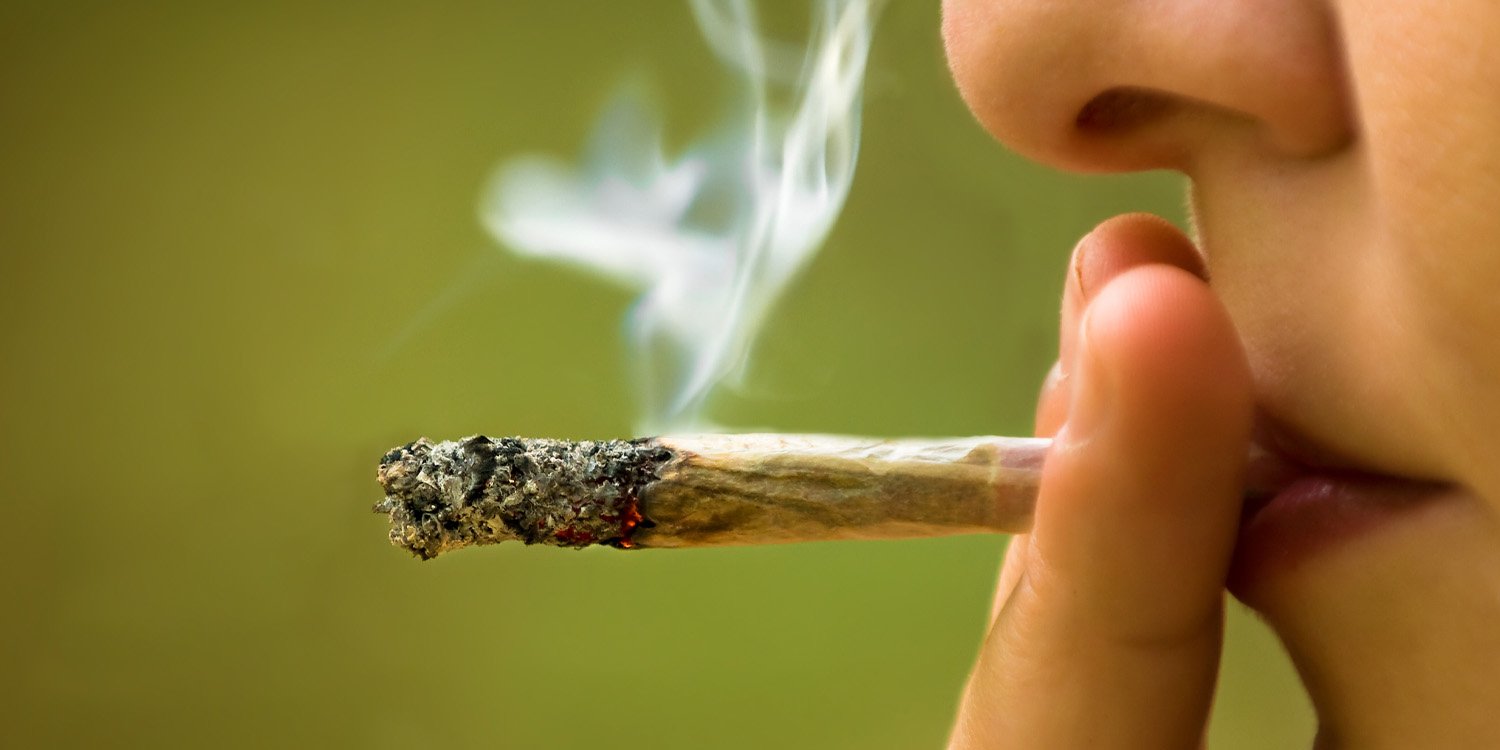
In a surprising turn, smoked cannabis reduces alcohol consumption, as heavy drinkers were found to consume up to 27 percent less alcohol in a controlled laboratory trial. This research offers valuable insights into potential behavioral modifications induced by cannabis, sparking discussions on its implications for public health and alcohol consumption habits. The exploration of how acute cannabis intoxication influences drinking patterns is particularly timely as societies increasingly navigate the complexities of cannabis legalization and its impact on other substance use.
Cannabis Reduces Alcohol Consumption in Controlled Trials
The research conducted in a controlled laboratory setting offers a promising look into the effects of cannabis on immediate alcohol consumption. Participants with a history of heavy drinking smoked cannabis, and as a result, significantly reduced their alcohol intake during the session. Researchers observed a delay in both the urge for alcohol and the quantity consumed. This groundbreaking study provides a new perspective on the interplay between cannabis and alcohol use.
Understanding the Influence of Cannabis
The study’s findings raise important considerations for understanding the potential of cannabis as a moderating agent for alcohol consumption. By smoking cannabis, individuals exhibited less inclination to consume alcohol. This suggests that the intoxicating effects of cannabis might fulfill the desire for relaxation or euphoria that individuals often seek from alcohol. Consequently, this opens avenues for further research into the therapeutic applications of cannabis, particularly for those struggling with alcohol misuse.
Potential Implications for Public Health
The implications of these findings extend into the realm of public health, where cannabis could potentially serve as an alternative or supplementary measure within addiction treatment strategies. As cannabis legalization becomes more widespread, understanding its capacity to alter drinking behaviors becomes increasingly crucial. However, it is important to approach these findings with caution, as further research is necessary to fully comprehend the long-term implications and safety of using cannabis in this context.
While this study offers promising data, researchers and policymakers must balance enthusiasm with careful consideration of individual health risks and societal impacts. Evidence remains limited at this stage, and additional studies are vital to determine whether these effects sustain over extended periods and in varied populations.
Key Takeaways
- Smoked cannabis led to a 27 percent reduction in immediate alcohol consumption among heavy drinkers.
- Cannabis might offer alternative methods for moderating alcohol intake, but further research is needed.
- Understanding cannabis’s role in alcohol use can inform future addiction treatment strategies.
Medical Disclaimer
This article provides information for educational purposes only and is not a substitute for professional medical advice.
