

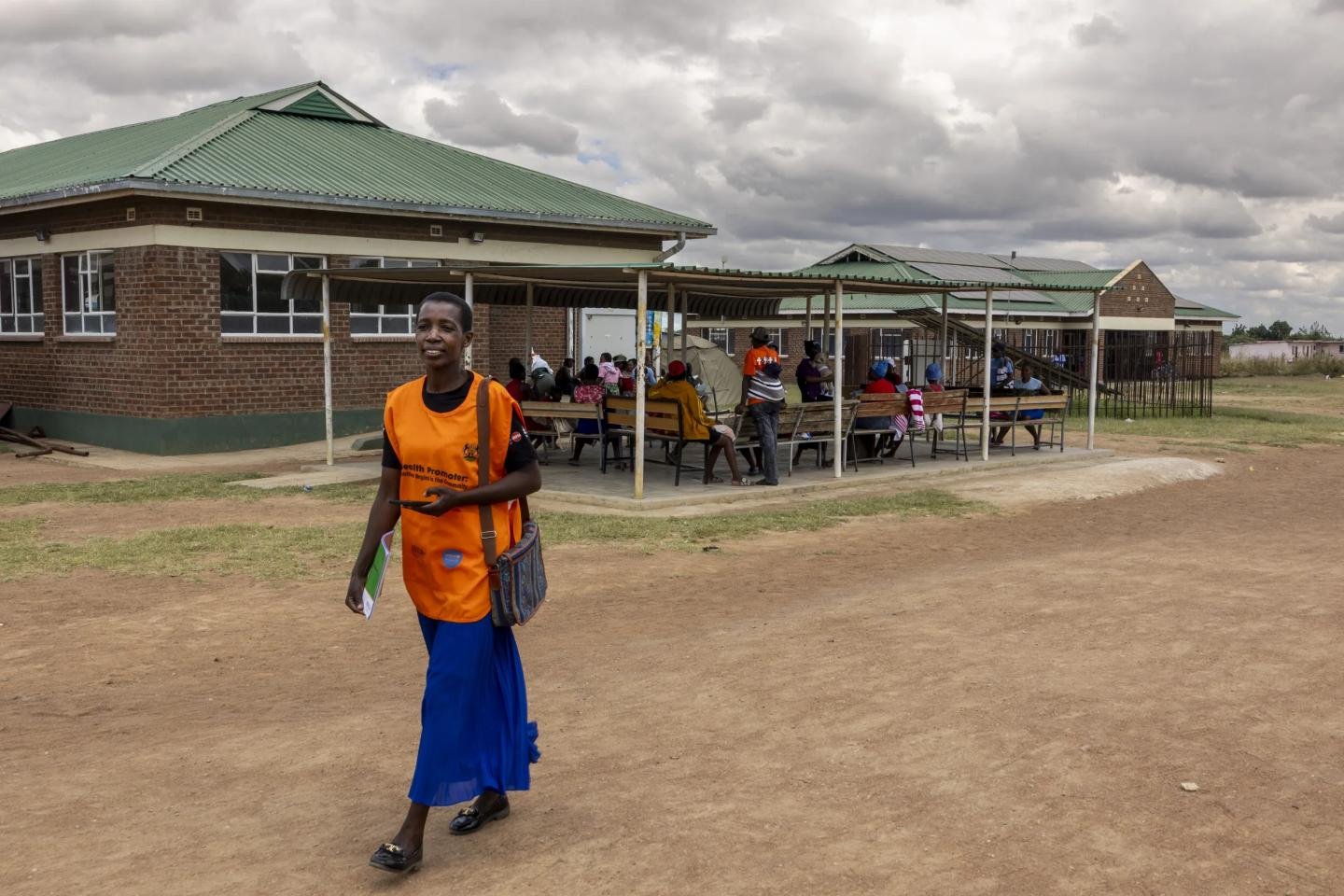
In the heart of Hopley, Zimbabwe, community nutrition volunteers are transforming the health landscape by combatting malnutrition through dedicated efforts and empowering residents with vital knowledge. These committed individuals are pivotal in raising awareness about nutrition and instigating change at the grassroots level.
How Community Nutrition Volunteers Drive Change in Hopley
Community nutrition volunteers in Hopley use illustrated counselling session guides during monthly meetings to educate locals about the dangers and signs of malnutrition. These pivotal sessions, led by volunteers like Lillian and supported by Lead Mothers, aim to disseminate knowledge effectively and engage mothers with practical solutions. Moreover, these volunteers equip families with the skills necessary to identify malnutrition early, potentially saving lives and improving health outcomes.
The Role of Lead Mothers
The Lead Mothers initiative forms the cornerstone of this community-driven strategy. Empowered by the community nutrition volunteers, Lead Mothers provide ongoing support and education to families within their localities. This approach not only strengthens community bonds but also ensures that dietary changes are sustainable and deeply rooted in community practices. By decentralizing nutritional education, the program significantly improves its reach and effectiveness, as knowledge transfer happens within trusted community networks.
Addressing Nutritional Challenges Through Community Engagement
Malnutrition poses significant challenges in Hopley, affecting children and adults alike. Community nutrition volunteers address these challenges by fostering an environment where learning and sharing best practices become part of everyday life. Volunteers utilize local knowledge and resources to craft educational messages that resonate with families, leading to better nutritional practices at home. As a result, this community-driven model has shown great promise, highlighting the power of collective action.
Furthermore, the integration of community feedback mechanisms enables volunteers to adapt their strategies continuously, ensuring that they remain relevant and effective. This adaptability is crucial in tackling the multifaceted challenges of malnutrition, enabling volunteers to refine their approaches and maximize impact.
Implications for Future Health Improvements
The initiatives spearheaded by community nutrition volunteers in Hopley have broader implications for public health improvements across Zimbabwe. By demonstrating a successful model of community-led health interventions, other regions can replicate this approach, fostering improved nutritional and health outcomes nationwide. Additionally, the proactive involvement of community members in health promotion could lead to more robust and responsive healthcare systems that address the root causes of malnutrition and other health disparities.
This transformation in Hopley serves as a beacon of hope and a testament to the power of volunteerism in creating lasting change. By building a community network centered around nutrition education, these volunteers are not just addressing immediate health concerns but are also paving the way for a healthier future for generations to come.
The community nutrition volunteers in Hopley have laid the groundwork for a wellness revolution, showcasing the potential of localized interventions in advancing public health. As this framework continues to evolve, its potential to inspire similar actions in other areas becomes increasingly evident, highlighting the importance of community empowerment in the fight against malnutrition.
