

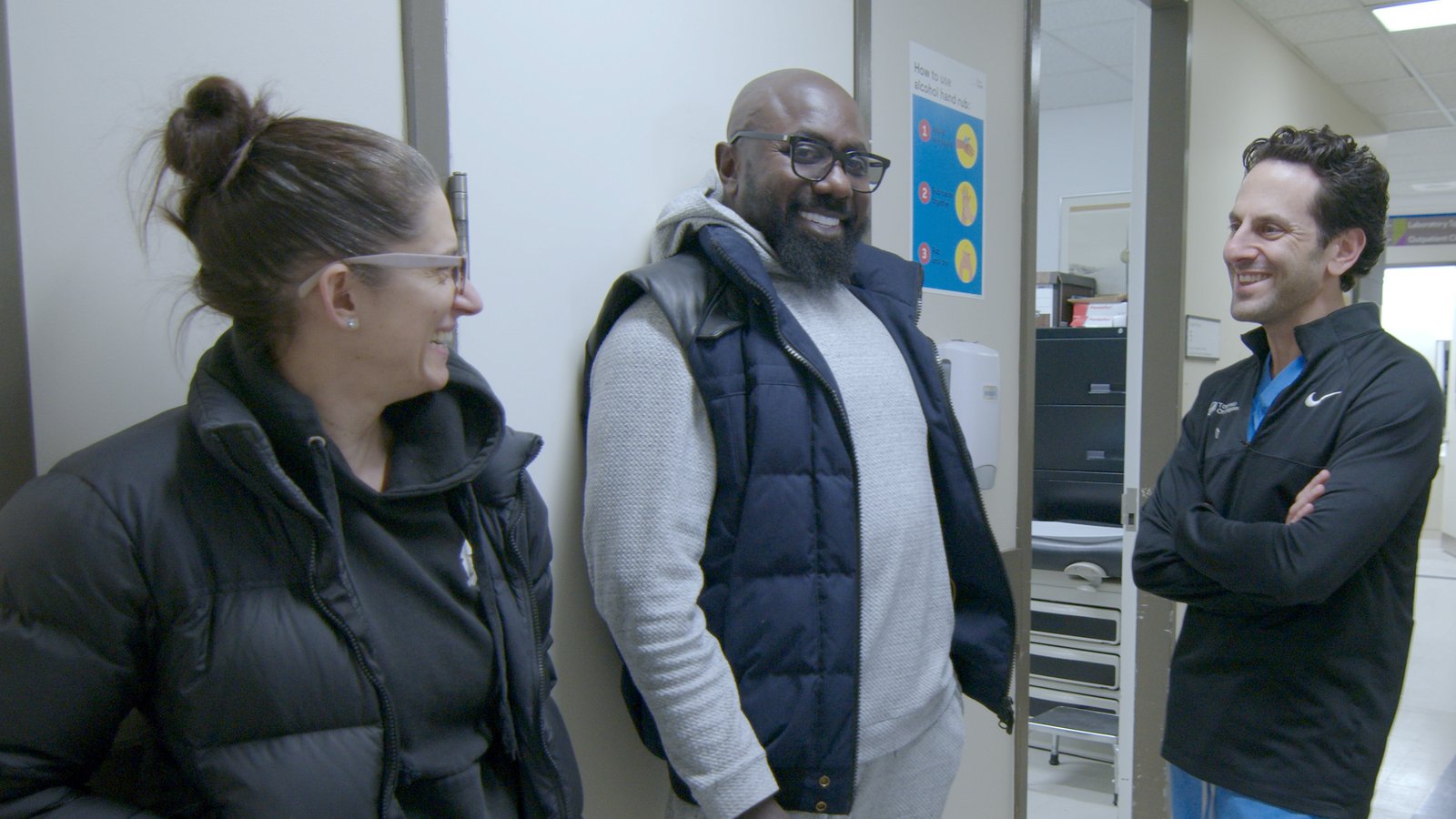
Complex knee reconstruction recovery can be a daunting journey, filled with uncertainty and emotional challenges, as demonstrated by Issa’s inspiring story. After undergoing joint replacement surgery, Issa Abdalla developed an undiagnosed infection that posed a significant threat to his mobility and well-being. This complication highlights the intricate process of detecting and treating post-surgery infections, which, though not uncommon, calls for prompt action to prevent dire outcomes.
Understanding the Complex Knee Reconstruction Recovery Process
Knee reconstruction recovery is not just a physical challenge but also a psychological one. The focus is on regaining mobility while managing the emotional toll such a complicated medical journey can take. In Issa’s case, the initial joy following his surgery soon turned into a journey through a complex web of medical procedures aimed at saving his leg from the lurking threat of infection.
The Initial Signs and Diagnosis
Detecting an infection post-surgery is no simple task. Patients may not immediately recognize subtle changes in their condition, leading to a delay in diagnosis. Issa’s story serves as a crucial reminder for both patients and healthcare professionals to remain vigilant and proactive about early infection detection, impacting the treatment’s effectiveness and potentially averting more severe complications.
Issa’s Journey through Medical Interventions
Issa underwent a series of intricate surgeries aimed at eradicating the infection and reconstructing the damaged areas. This process required not only medical expertise but also Issa’s resilience and determination. The focus during these interventions was to strategically combat the infection while preserving as much native tissue as possible to aid in the rehabilitation process.
However, Issa’s journey was about more than just the physical surgeries. His mental fortitude and dedication to his recovery played a vital role in his overall progress. This highlights the importance of comprehensive care plans that address both physical and emotional needs of patients undergoing similar recoveries.
From Crisis to Hope: Psychological Aspects
Issa’s experience underlines the psychological impact of complex medical recoveries. Patients often face anxiety and uncertainty about their future mobility and quality of life. Integrating psychological support within the recovery framework helps patients like Issa cope with these challenges, fostering an environment where they can thrive despite adversities.
Throughout his recovery, Issa received encouragement and care from his medical team, friends, and family, underscoring the value of a supportive network. This ensures patients remain motivated and resilient, enabling them to endure the demanding journey towards full recovery.
Issa’s journey from crisis to recovery offers hope and insight to others grappling with similar conditions, proving that with the right support and determination, even the most complex knee reconstruction recovery is achievable.
Key Takeaways
- Early infection detection is crucial for effective knee reconstruction recovery.
- Comprehensive recovery plans should address both physical and psychological aspects.
- Supportive networks play a critical role in patient motivation and resilience.
Medical Disclaimer
This content is for informational purposes only and does not contain any medical advice.
