

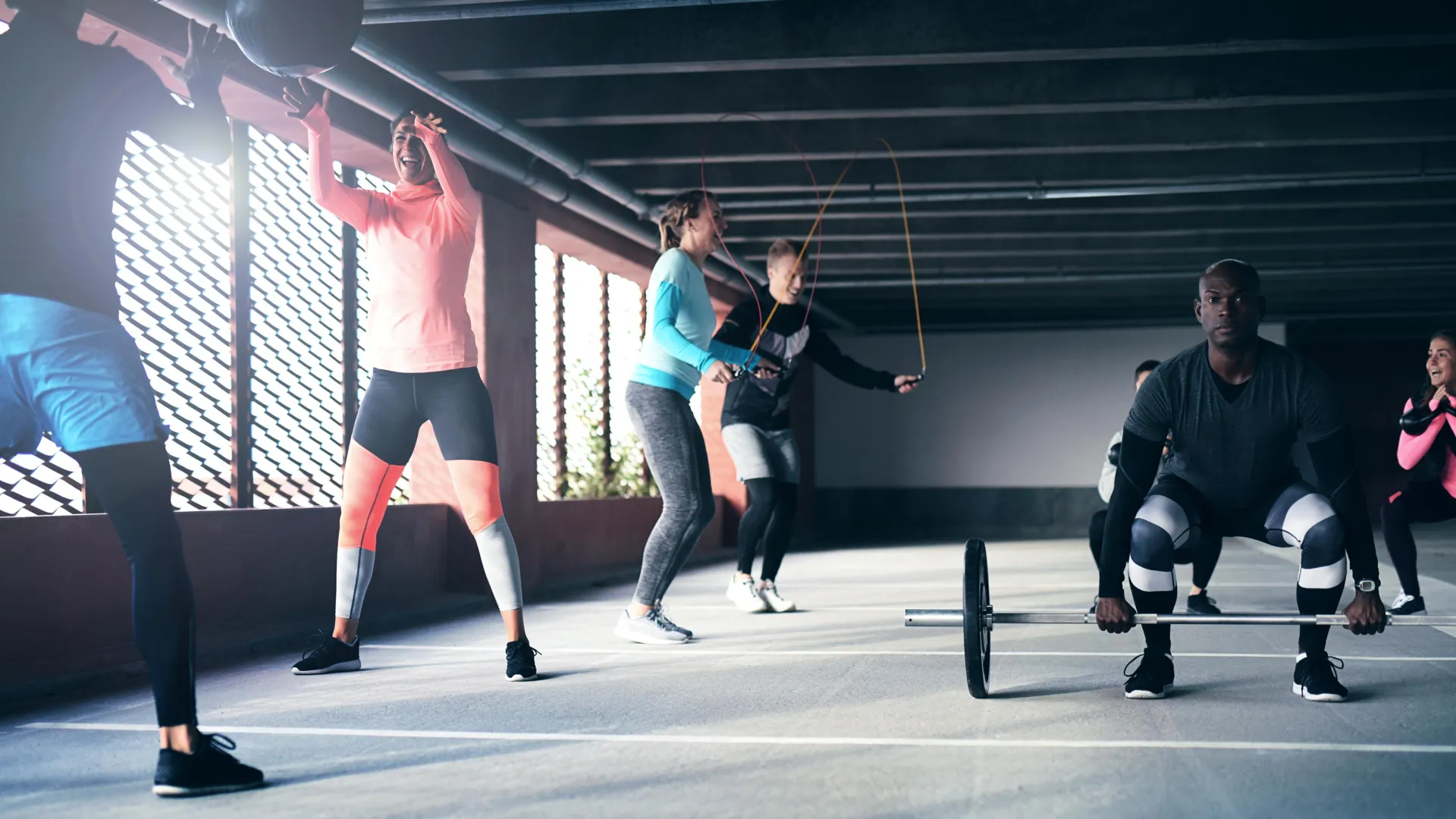
Variety in exercises has become a compelling focus in longevity studies, with research suggesting that mixing up your workouts could significantly enhance your lifespan. Extensive research involving over 100,000 participants over three decades reveals that diversifying physical activities effectively lowers mortality rates. This compelling insight alerts us to the importance of not sticking to repetitive exercise routines but instead seeking a well-rounded approach to physical health.
Unlocking the Longevity Potential of Variety Exercises
Researchers have found that incorporating a variety of exercises into your routine can have profound implications for longevity. By shifting away from repetitive workouts, you engage different muscle groups, enhancing flexibility, strength, and cardiovascular health. This means, for instance, combining aerobic activities like running with strength training or yoga could have transformative effects on your overall well-being.
The Science Behind Exercise Variety and Longevity
Research points out that diverse physical activities initiate various physiological responses in the body. For example, strength training increases muscle mass and bone density, while cardiovascular exercises boost heart and lung health. By integrating multiple forms of movement, you ensure comprehensive bodily benefits, which likely contributes to longer life expectancy. Consequently, those who vary their activities avoid the plateau of benefits that singular exercise forms often encounter.
The Sweet Spot: Finding Balance in Exercise Routines
Intriguingly, the research indicates a “sweet spot” in the benefits gained from varied exercises. While diversifying workout routines undoubtedly aids in extending life, benefits seem to stabilize after reaching this optimal point of activity diversity. Therefore, while more isn’t always better, focusing on a balanced mix of exercises could yield the greatest longevity benefits.
Additionally, variety in exercises helps prevent injuries, as different movements decrease the strain on certain body parts. It fosters long-term adherence to an active lifestyle by keeping workouts engaging and preventing boredom. Therefore, embracing a mix of activities becomes not only a strategy for better health but also a sustainable approach to fitness.
The Role of Consistency and Adaptation in Longevity
Maintaining an exercise routine that aligns with life’s changing demands is vital. As we age, incorporating exercises that support mobility and resilience, such as stretching and balance exercises, becomes increasingly important. This adaptability ensures that exercise remains a lifelong asset, promoting longevity at every stage of life. Notably, this strategy aligns with the idea of continuous, inclusive wellness rather than sporadic fitness bursts.
Research continues to explore the long-term effects of exercise variety, promising new insights into how we can optimize our physical activities for extended longevity. For now, the evidence strongly favors a diverse, balanced approach to physical fitness as a key component of living longer and healthier lives.
Key Takeaways
- Variety in exercise routines can enhance longevity by optimizing overall health benefits. Considerations similar to those explored in research like depression cannabis brain connectivity highlight the importance of a well-rounded approach.
- Research suggests benefits peak when a balanced mix of diverse exercises is integrated.
- Staying adaptable in exercise regimens supports lifelong health and injury prevention.
Medical Disclaimer
This article provides information designed for educational purposes and should not be taken as medical advice.
