Close Menu

    Subscribe to Updates

    Get the latest creative news from medicalintelligence about art, design and business

    What's Hot

    Health fallout of Hormuz closure impacts Gulf regions

    June 8, 2026

    Wearable menstrual health trackers enhance early detection

    June 8, 2026

    Extremely preterm birth brain development insights

    June 8, 2026
    Facebook X (Twitter) Instagram
    medicalintelligence
    Facebook X (Twitter) Instagram WhatsApp
    SUBSCRIBE
    • Medical Research & Evidence
      • Clinical Trials & Studies
      • Research Analysis
      • Systematic Reviews & Evidence Summaries
    • Clinical Insights
      • AI in Clinical Practice
      • Specialist Perspectives & Case-Based Insights
    • Neuroscience, Psychology & Mental Health
      • Mental Health Science
      • Neurodevelopment & Brain Health
      • Psychology & Behaviour
    • Womenโ€™s, Reproductive & Child Health
      • Child Development & Parenting Science
      • Pregnancy & Reproductive Health
      • Womenโ€™s Health & Hormones
    • Nutrition, Metabolism & Lifestyle Medicine
      • Evidence-Based Nutrition
      • Fitness & Exercise
    • Dermatology, Aesthetic & Reconstructive Medicine
      • Aesthetic & Cosmetic Procedures
      • Clinical Dermatology
      • Reconstructive & Surgical Care
    • Integrative & Alternative Medicine
      • Ayurveda & Traditional Medicine
      • Evidence & Safety in Alternative Care
      • Integrative Therapies
    • UAE & GCC Healthcare
      • Healthcare Events & Conferences
      • Healthcare News
      • Policy & Regulation
    medicalintelligence
    Home ยป Extremely preterm birth brain development insights
    Neurodevelopment & Brain Health

    Extremely preterm birth brain development insights

    Medical Intelligence NewsBy Medical Intelligence NewsJune 8, 2026No Comments3 Mins Read
    Share
    Facebook Twitter LinkedIn Pinterest Email

    Extremely preterm birth brain development insights

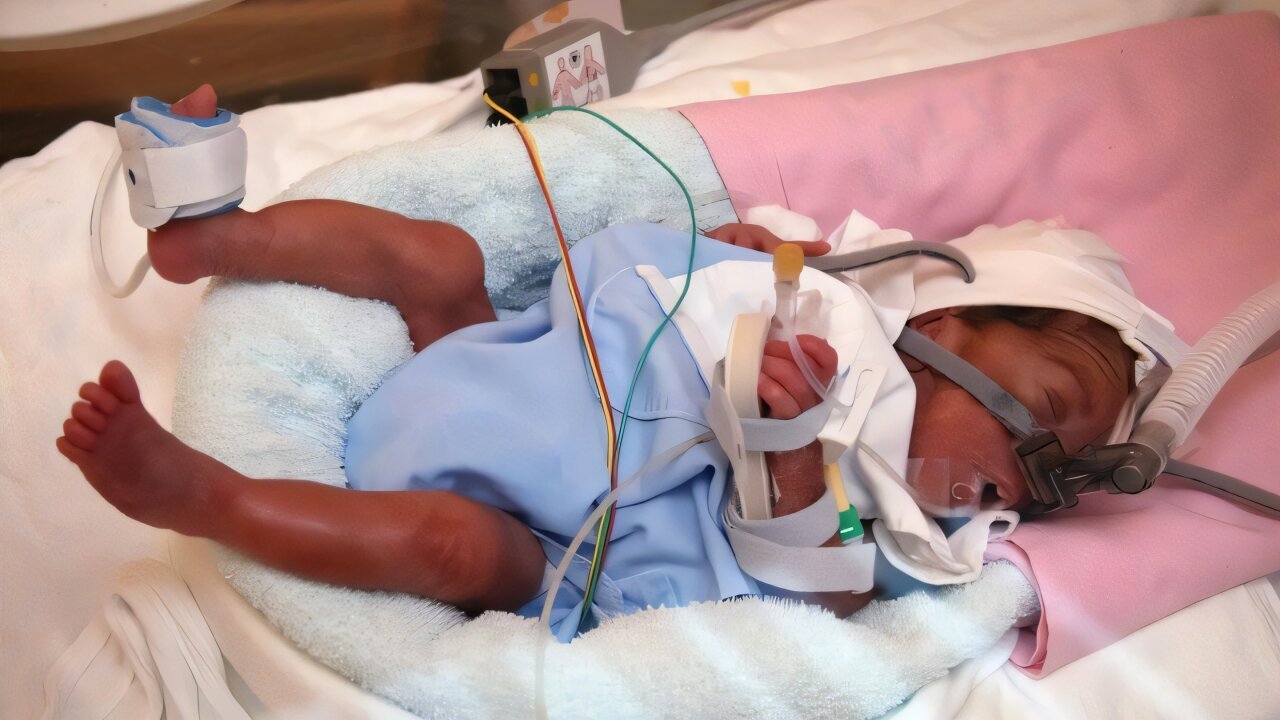
    Extremely preterm birth, occurring before 28 weeks of gestation, presents an extraordinary opportunity to study brain development’s intricate processes during early life. These infants, entering the world well before the natural gestation period concludes, offer researchers unique insights into how the brain adapts and rewires in response to such early exposure outside the womb. Consequently, understanding these adaptations holds significant implications for neuroscientific research and clinical practices aimed at improving outcomes for preterm infants.

    Unveiling Extremely Preterm Birth Brain Development

    Extremely preterm infants are born at a pivotal stage of human brain development, where the neural architecture is forming rapidly. At this point, the brain is not merely growing; it is laying down the fundamental neural pathways that will later influence cognition, behavior, and sensory perception. As a result, these infants provide a living model for understanding the dynamic processes of brain maturation.

    Implications of Early Neural Challenges

    Preterm birth can drastically alter the typical environment necessary for healthy brain development. As infants transition from the protective confines of the womb to the external world, their brains must swiftly adapt to new sensory inputs and physical conditions. Therefore, this sudden change places stress on a developing brain that must learn to respond to stimuli it would not normally encounter until weeks later in a full-term birth.

    Adaptive Brain Rewiring

    Researchers have found that the preterm brain exhibits remarkable plasticity, which refers to its ability to undergo structural and functional changes in response to environmental factors. This adaptability is crucial for navigating the numerous challenges posed by early birth. Furthermore, the high degree of neural flexibility during this period suggests potential avenues for therapeutic interventions designed to support preterm infants’ developmental needs effectively.

    Understanding the Unique Patterns of Brain Adaptation

    Preterm infants demonstrate unusual patterns of brain adaptation that continue to intrigue scientists. For instance, despite the initial challenges, some preterm infants display compensatory mechanisms that help maintain neurodevelopmental progress. However, the variability among individuals emphasizes the need for personalized medical approaches to support optimal brain development in these infants.

    Overall, the study of extremely preterm birth and its impact on brain development yields invaluable insights into the brain’s capacity to adapt under challenging conditions. As our understanding deepens, so too does the potential to improve outcomes for these infants.

    Key Takeaways

    • Extremely preterm birth offers a critical view of brain development during a formative period.
    • The preterm brain’s plasticity may inform therapeutic strategies to support infant health.
    • Ongoing research seeks to personalize care for the varied needs of preterm infants.

    Medical Disclaimer

    This content is for informational purposes only and should not be considered medical advice.

    Medical Intelligence News

    Related Posts

    eeg brain waves predict anxiety in kids at age 9

    June 7, 2026

    Prenatal antidepressants autism analysis: what you need to know

    June 4, 2026

    Antidepressants pregnancy autism connection insights revealed

    June 1, 2026
    Leave A Reply Cancel Reply

    Don't Miss
    Policy & Regulation

    Health fallout of Hormuz closure impacts Gulf regions

    By Medical Intelligence NewsJune 8, 20260

    The World Health Assembly (WHA), meeting in Geneva, condemned Iranian strikes on Gulf States, emphasizing…

    Wearable menstrual health trackers enhance early detection

    June 8, 2026

    Extremely preterm birth brain development insights

    June 8, 2026

    Well Health leadership appointment boosts public sector ties

    June 8, 2026
    Stay In Touch
    • Facebook
    • Twitter
    • Instagram
    • WhatsApp
    Our Picks

    Health fallout of Hormuz closure impacts Gulf regions

    June 8, 2026

    Wearable menstrual health trackers enhance early detection

    June 8, 2026

    Extremely preterm birth brain development insights

    June 8, 2026

    Well Health leadership appointment boosts public sector ties

    June 8, 2026

    Subscribe to Updates

    Get the latest creative news from medicalintelligence.

    About Us

    Medical Intelligence delivers trusted updates on global and GCC healthcare trends, innovations, and AI in medicine. Stay informed with expert-driven content tailored for healthcare professionals and enthusiasts.

    Our Picks
    Categories
    • Aesthetic & Cosmetic Procedures
    • AI in Clinical Practice
    • Ayurveda & Traditional Medicine
    • Blog
    • Child Development & Parenting Science
    • Clinical Dermatology
    • Clinical Trials & Studies
    • Evidence & Safety in Alternative Care
    • Evidence-Based Nutrition
    • Fitness & Exercise
    • Healthcare News
    • Insights From Our Experts
    • Integrative Therapies
    • Mental Health & Well-being
    • Mental Health Science
    • Neurodevelopment & Brain Health
    • Policy & Regulation
    • Pregnancy & Reproductive Health
    • Reconstructive & Surgical Care
    • Research Analysis
    • Specialist Perspectives & Case-Based Insights
    • Systematic Reviews & Evidence Summaries
    Facebook X (Twitter) Instagram WhatsApp RSS
    • Home
    • About
    • Contact
    • Privacy Policy
    • Terms & Conditions
    © 2026 Medicalintelligence. Designed by Medicalintelligence.

    Type above and press Enter to search. Press Esc to cancel.