

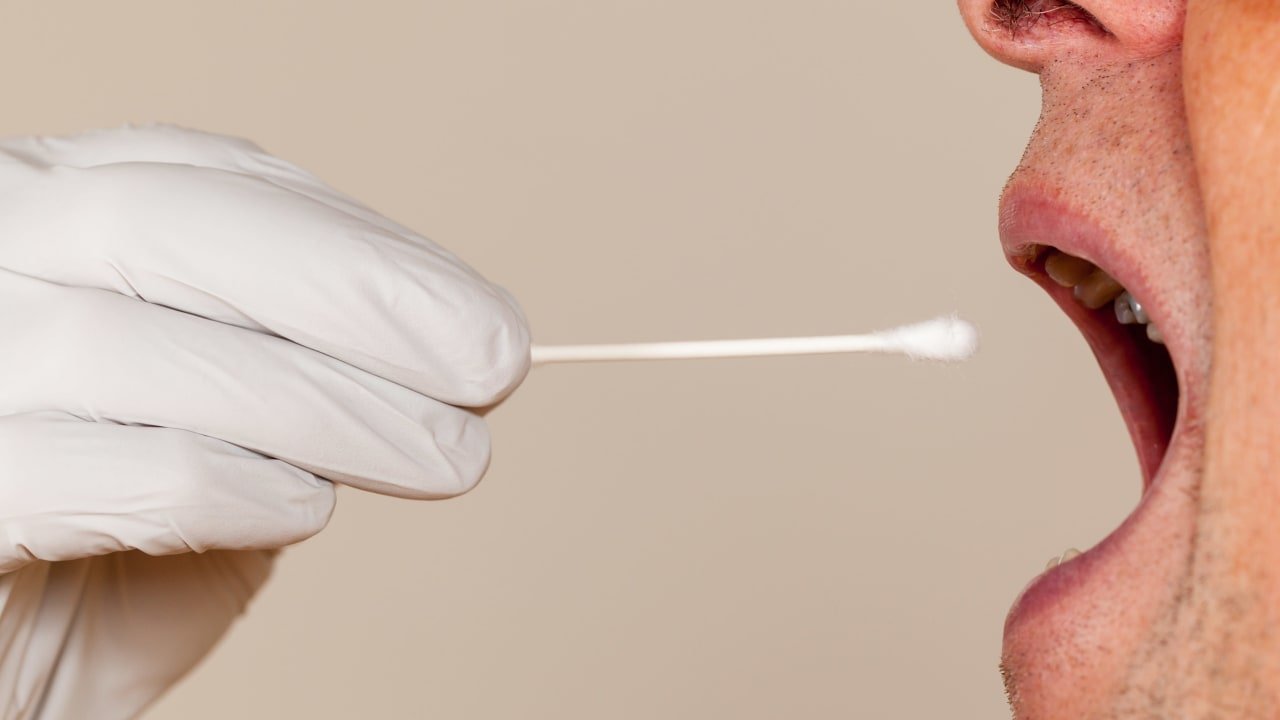
Gum disease may pose a surprising risk to female fertility, as a recent Israeli study reveals. The research explores the connection between oral inflammation and reproductive health, shedding light on the potential impact of gum disease on women’s ability to conceive. This finding underscores the importance of maintaining oral health, not just for a bright smile but also for reproductive well-being.
The Connection Between Gum Disease and Female Fertility
Researchers observed a significant link between gum disease and impaired fertility, highlighting the need for women to pay close attention to oral hygiene. Specifically, the study details how inflammation in the gums can disrupt hormonal cycles, potentially affecting ovulatory function. Additionally, the research suggests that oral bacteria might spread to the reproductive organs, further complicating fertility.
Understanding Oral Inflammation and Hormonal Cycles
In examining the physiological mechanisms, scientists noted that gum disease could provoke systemic inflammation, thus interfering with endocrinal balance. This systemic inflammation might lead to altered levels of hormones such as estrogen and progesterone, which are critical for regular menstrual cycles. Consequently, women with gum disease might experience irregularities that could hinder conception. As discussed in the article women’s health industry prospects, addressing women’s unique health challenges is crucial for improving overall health outcomes.
How Oral Bacteria Might Impact Reproductive Health
The study also revealed that bacteria from the mouth could enter the bloodstream, potentially reaching the reproductive system. This bacteria dissemination might result in inflammatory responses in ovarian or uterine tissues, creating an inhospitable environment for fertilization or implantation. Therefore, oral bacteria not only affect the mouth but might indirectly disrupt reproductive processes. Aligning with the findings in the mental health challenges Neets face, it shows the intricate links between different health aspects and their broader impacts.
Preventative Measures for Optimal Reproductive Health
To prevent these complications, regular dental check-ups and proper oral hygiene practices are crucial. Brushing twice daily, flossing, and using antimicrobial mouthwash can reduce the risk of gum disease. Furthermore, seeking early treatment for any signs of gum inflammation is vital, especially for women planning to conceive.
In conclusion, while the findings are still emerging, they highlight a critical intersection of oral and reproductive health. Women aiming for optimal fertility should consider comprehensive health strategies, including diligent oral care, to safeguard their reproductive capabilities.
Key Takeaways
- Emerging research suggests gum disease may impair female fertility.
- Oral inflammation might disrupt hormonal cycles, affecting ovulation.
- Bacteria from gum disease could spread to reproductive organs, impacting fertility.
Medical Disclaimer
This article is for informational purposes only and does not constitute medical advice.
