

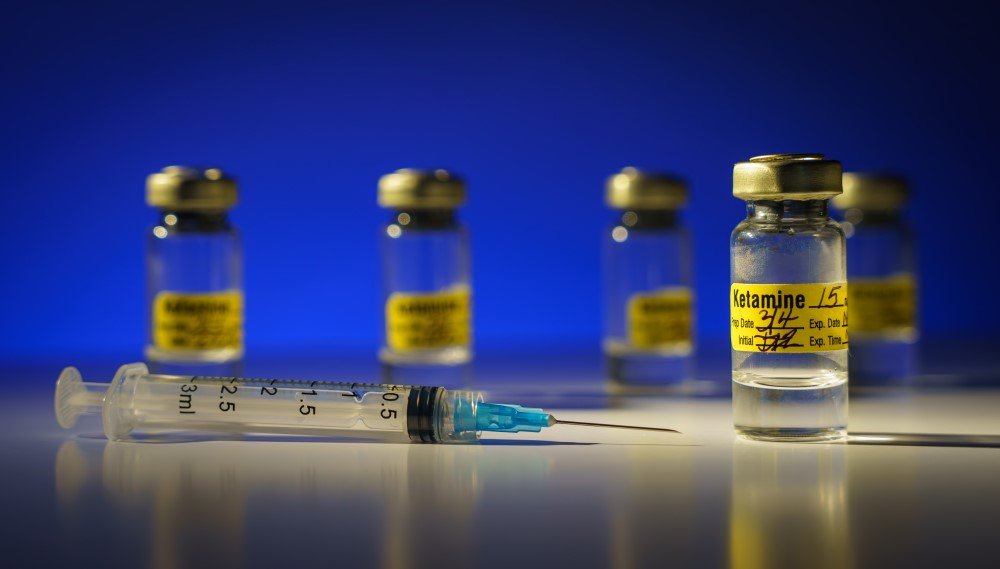
Intravenous ketamine offers a promising treatment for major depression, according to a new meta-analysis. This breakthrough in mental health care provides hope for those suffering from severe depressive and suicidal symptoms. Conducted by researchers and featured in *JAMA Psychiatry*, the study delves into the efficacy of using intravenous ketamine to address acute episodes of major depression. This development is crucial as traditional treatments often require extended periods to take effect, whereas ketamine shows rapid symptom reduction.
Intravenous Ketamine as a Treatment Option
The meta-analysis underscored the effectiveness of both single and repeated intravenous ketamine infusions in reducing depressive and suicidal symptoms. According to research published in *JAMA Psychiatry*, patients undergoing acute episodes of major depression experienced significant relief after ketamine treatment. Notably, the findings point to ketamine’s potential as a fast-acting intervention, an essential feature given the urgent need for rapid symptom alleviation in depressive disorders.
Mechanism of Action and Benefits
Unlike typical antidepressants, intravenous ketamine works by altering glutamate levels in the brain, which facilitates immediate emotional and mental changes. Consequently, this rapid mechanism contrasts sharply with conventional medications, providing swift relief to patients. As a result, intravenous ketamine has opened new pathways in depression management that merit further exploration. Additionally, its impact spans beyond relieving depressive symptoms, offering hope to those battling suicidal ideation.
Challenges and Future Research Directions
Despite these encouraging outcomes, the study also highlighted uncertainties regarding the long-term benefits of intravenous ketamine. Researchers acknowledged that while it shows immediate effectiveness, determining the sustainability of these benefits remains an area for future inquiry. Therefore, ongoing trials and studies aim to understand better how ketamine can be integrated into standard psychiatric care. Moreover, evaluating the potential side effects associated with long-term use will be critical for clinicians considering this treatment option. For instance, insights gained from advancements in other medical fields, like how AI-enhanced BoNT injections provide improved outcomes, can inform future ketamine research.
Implications for Depression Treatment Strategies
The use of intravenous ketamine marks a shift in how major depression might be treated promptly. As a result of its efficacy, healthcare providers now have an additional tool in combating severe depression and suicidal tendencies. Consequently, this could lead to revised treatment protocols, incorporating ketamine as a rapid-response option. As the field advances, integrating ketamine treatment with other therapeutic methods might enhance overall patient care and recovery outcomes.
Overall, intravenous ketamine represents a beacon of hope and innovation for those grappling with major depression. Continued research will further clarify its role within mental health treatment frameworks, potentially reshaping how clinicians approach depression therapies.
Key Takeaways
- The meta-analysis shows intravenous ketamine’s effectiveness in reducing depression and suicide symptoms.
- Immediate response rates suggest potential advantages over conventional antidepressants.
- Long-term effects of ketamine treatment remain a critical area for further research.
Medical Disclaimer
This content provides information only and should not substitute professional medical advice or consultation.
