

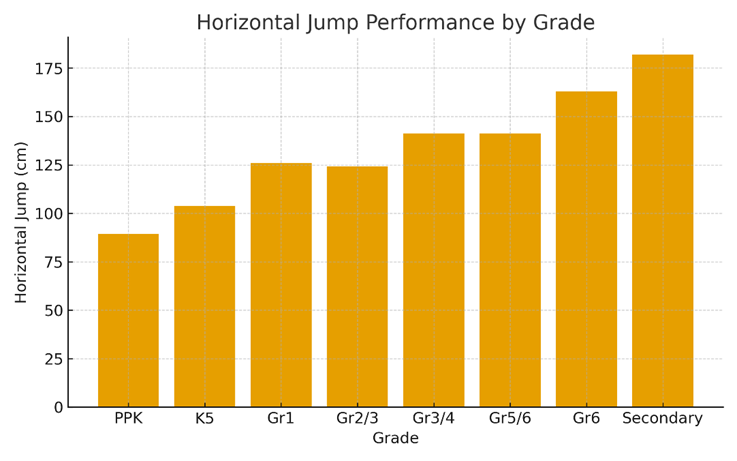
Physical fitness and motor competency have become pivotal in assessing the wellbeing and capability of students, particularly those in intermediate schools. The recent longitudinal analysis by Professor Moez Baklouti explores these factors, revealing critical trends and implications for education and physical training. This research not only highlights the physical fitness levels of students but also examines the motor skills that are essential for their holistic development.
Understanding Physical Fitness and Motor Competency
The study emphasizes the interrelationship between physical fitness and motor competency among students, identifying how these elements influence one another. Physical fitness, known for its impact on health and academic performance, consists of various components like strength, endurance, and flexibility. Meanwhile, motor competency reflects the students’ ability to perform diverse physical tasks, which includes coordination and overall body control.
Key Findings in Physical Fitness Motor Competency
The research conducted over a considerable period observed that students’ physical fitness levels closely correlate with their motor skills ability. The analysis identified trends that show how students with higher physical fitness often exhibit superior motor skills. This is crucial because enhanced motor competency can lead to better participation in various physical activities, which further boosts overall fitness levels.
Challenges and Opportunities in Student Development
Challenges identified in the study include varying levels of fitness among students, often influenced by their socio-economic backgrounds. Nevertheless, the analysis also presents opportunities to integrate more targeted physical education programs tailored to improve both fitness and motor skills. Schools have the potential to play a significant role by fostering environments that encourage active participation in such programs.
Additionally, this study underscores the necessity of supporting students through initiatives that bridge gaps in physical fitness caused by external factors. Schools can be pivotal in implementing strategies that provide equal opportunities for improvement in fitness and motor competency. This approach can be mirrored in initiatives like women’s nutrition empowerment to tackle malnutrition and health disparities.
Beneficial Implications for Educational Strategies
This research holds valuable implications for educational policies and teaching strategies. By integrating tailored physical education curricula, educators can significantly enhance students’ physical and motor competencies. Moreover, this approach promises improvements in students’ cognitive development and academic performance, as physical activity is closely linked with better mental functioning.
Overall, the study showcases the interconnectedness of physical fitness and motor skills, promoting a holistic approach to student wellbeing. As educational institutions and policymakers understand and utilize these insights, they can foster environments that prioritize student health and competence.
Consequently, integrating such findings can pave the way for educational reforms that not only value academic achievements but also emphasize the importance of physical development.
What Lies Ahead
Moving forward, continued research is necessary to explore additional factors impacting physical fitness and motor competency. Understanding the role of technology, dietary habits, and psychological factors could further enrich future educational strategies. As educators and policymakers work hand in hand, they can create inclusive and comprehensive programs supporting all aspects of student development, similar to endeavors in enhancing children’s asthma well-being.
In conclusion, this research sheds light on the critical aspects of student physical fitness and motor competency, encouraging a balanced approach to education that encompasses both physical and academic development.
Key Takeaways
- Physical fitness and motor competency are closely linked, impacting students’ overall development.
- Educational programs should integrate strategies to enhance both fitness and motor skills.
- Continued research can further inform effective educational and health policies.
Medical Disclaimer
This article is for informational purposes only and does not constitute medical advice.
