

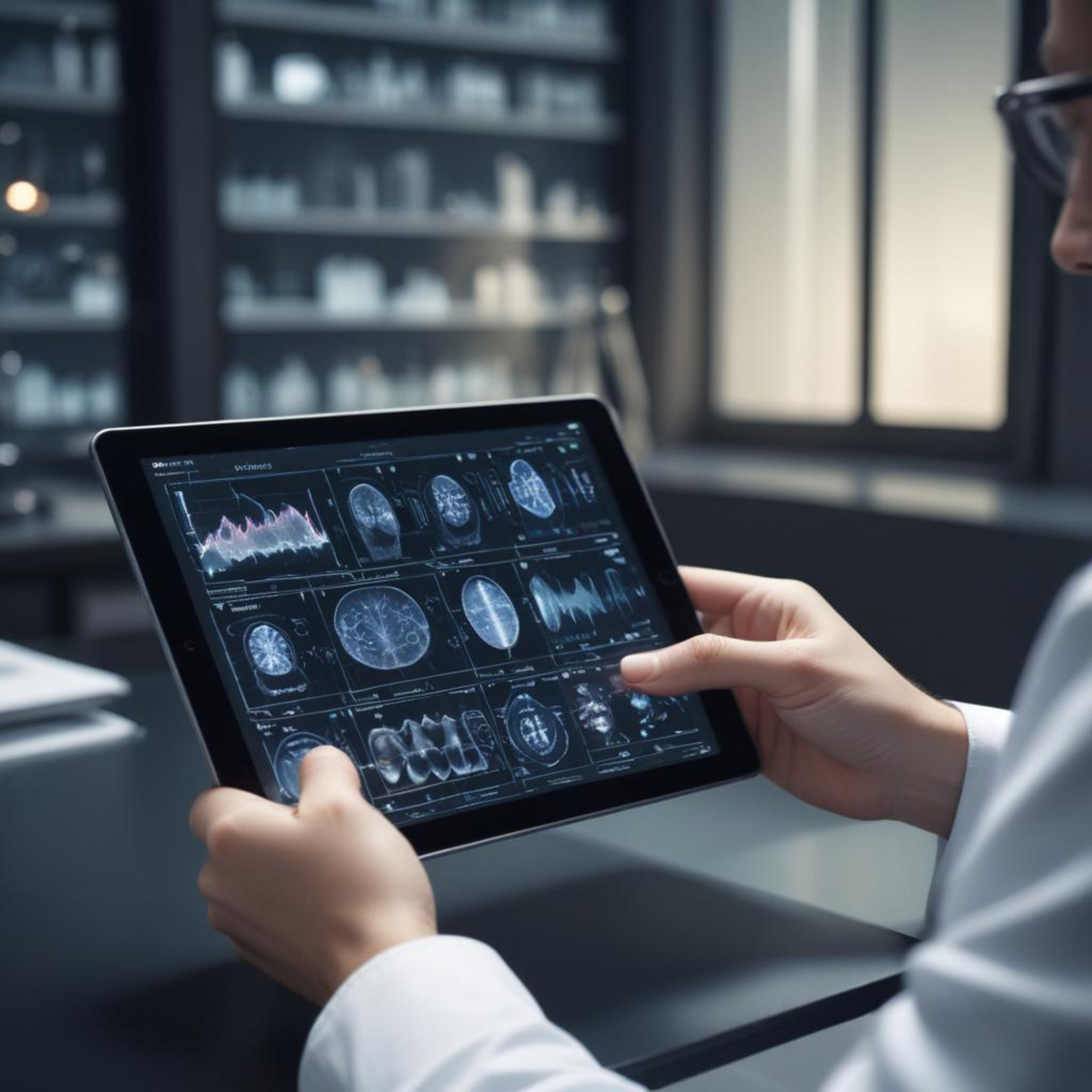
Predictive Healthcare AI for Precision Patient Outcomes is reshaping how we approach individualized medical treatment. By analyzing patient data in real time, these systems offer new ways to preempt disease progression, enhance diagnostics, and personalize care. The impact can be profound, especially as healthcare providers look for smarter, more efficient ways to manage complex patient needs.
How Predictive Healthcare AI for Precision Patient Outcomes Is Enhancing Medical Decision-Making
Traditionally, doctors have relied on medical history, lab tests, and general guidelines to determine treatment plans. While effective, this method can sometimes fall short in addressing the unique needs of each patient. That’s where AI-driven predictive models step in. By processing vast amounts of data—including genetics, lifestyle, and environmental factors—these systems can suggest tailored treatment paths that might be overlooked through manual analysis.
Healthcare AI doesn’t replace the physician’s role, but rather supports it. This collaborative approach improves diagnostic accuracy and minimizes delays in care. For chronic conditions like diabetes or heart disease, AI can identify risk patterns early, helping providers intervene before complications arise. As a result, patient outcomes can improve, and hospital readmissions may decrease.
Real-World Uses of Predictive Healthcare AI for Precision Patient Outcomes
Applications of this technology are already visible in several areas:
- Early Risk Detection: AI algorithms can flag patients who may be predisposed to serious conditions based on subtle changes in lab results or lifestyle factors.
- Optimized Treatment Plans: Machine learning can identify which treatments are most likely to succeed for individuals based on their unique profiles.
- Resource Management: Hospitals use predictive tools to forecast patient admissions, allowing better planning and reducing strain on staff and equipment.
- Drug Response Prediction: AI can help determine how a patient will react to certain medications, lowering the risk of side effects and improving outcomes.
For example, in oncology, AI-driven models are increasingly used to predict how a tumor might respond to a specific therapy. This helps oncologists choose the most effective and least aggressive treatment possible, improving patient comfort and survival rates. These advancements closely align with personalized chronic disease monitoring innovations that enable continuous tracking and precision care.
Balancing Innovation With Patient Safety
Despite the promise, it’s essential to proceed cautiously. Predictive models depend heavily on the quality and diversity of the data they are trained on. If the data sets are limited or biased, the recommendations could be misleading. This makes transparency in AI algorithms and ongoing audits critical to ensure fairness and accuracy.
Additionally, while AI can detect patterns faster than a human, it lacks the broader clinical judgment and empathy that experienced healthcare professionals bring. The best outcomes still rely on a collaboration between technology and people. For patients, understanding how these systems work can help build trust and ensure their informed participation in care decisions.
Practical Considerations for Using Predictive AI in Daily Healthcare
As healthcare systems adopt these tools, providers should focus on:
- Continuous Training: Medical personnel need to understand how to interpret AI insights accurately and integrate them into practice.
- Data Privacy: Maintaining patient confidentiality is vital. Robust security and consent practices must be in place to protect sensitive health information.
- Patient Education: Explaining AI recommendations clearly helps patients feel more involved and confident in their care choices.
- Ongoing Evaluation: AI tools should undergo regular assessments to ensure they remain safe, effective, and unbiased across diverse populations.
Several health organizations are already developing guidelines to regulate the use of predictive AI tools. These efforts aim to maximize the technology’s benefits while minimizing ethical and clinical risks. Ultimately, this overlaps with efforts in proactive early symptom tracking for better chronic care, which also emphasize early detection and tailored intervention.
The Future Outlook of Personalized AI-Driven Care
Looking ahead, the potential of Predictive Healthcare AI for Precision Patient Outcomes continues to evolve. Researchers are exploring integration with wearable devices, patient-reported outcomes, and population health databases to offer even more precise care recommendations. For instance, AI could soon predict a flare-up in autoimmune diseases days before physical symptoms appear, allowing early intervention.
At the same time, interdisciplinary collaboration between clinicians, data scientists, and ethicists will be important to shape this innovation responsibly. As long as AI solutions remain guided by evidence and clinical validation, they can become a trusted ally in the care journey.
In conclusion, while no tool is perfect, the growing capabilities of predictive healthcare AI offer valuable support in delivering patient-centered care. When used responsibly, it can help create more accurate, efficient, and compassionate healthcare experiences for everyone involved.
