

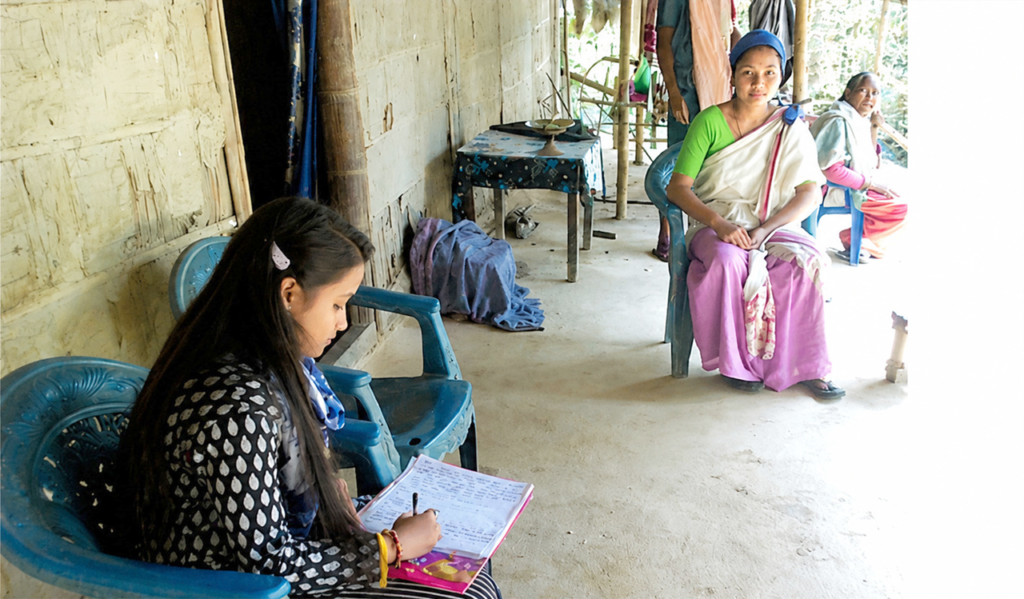
The Sonowal Kachari community, an indigenous group in India, holds a rich tradition of herbal knowledge that is now at risk of disappearing. Researchers from Nagaland University have documented a concerning decline in this invaluable cultural heritage. This decline not only threatens the community’s unique identity but also the potential loss of traditional medicine practices that have stood the test of time.
Understanding Sonowal Kachari Herbal Knowledge
Sonowal Kachari herbal knowledge encompasses the use of local flora to treat a variety of ailments effectively. Historically, the community relied on this deep understanding of plant properties, passed down through generations, to maintain their health. However, as modernization takes hold, this ancestral wisdom faces erosion. Consequently, the younger generation’s disconnect from their cultural roots highlights the pressing need for preservation.
Challenges Facing Sonowal Kachari Knowledge
The primary challenge lies in the diminishing interest among the youth. Many young community members prefer modern medicine over traditional methods, often perceiving them as outdated. Additionally, the migration to urban areas further contributes to this decline, as the wisdom requires a connection with the land and its resources. Furthermore, the lack of formal documentation exacerbates the threat to this irreplaceable knowledge.
Potential Impact on Community and Beyond
The disappearance of Sonowal Kachari herbal knowledge could significantly impact not only the community itself but broader fields of ethnobotany and pharmacology. Traditional remedies offer a treasure trove of potential breakthroughs in modern medicine. As a result, losing this knowledge represents a lost opportunity for scientific advancements. On a cultural level, the erosion of this tradition impacts the identity and heritage of the Sonowal Kachari people.
Efforts for Preservation
Nagaland University’s recent study Discovering Sonowal Kachari herbal remedies sheds light on the urgent need for action. Documenting herbal practices is a crucial first step. By bridging the gap between traditional and modern practices, researchers hope to foster a renewed interest and appreciation within the community. Educational programs, in cooperation with local leaders, could reignite pride and inspire younger generations to engage with and learn about their cultural legacy actively.
Ultimately, preserving Sonowal Kachari herbal knowledge requires collaborative effort and care. Without it, not only do we risk losing ancient cures but also a vital piece of human history.
