

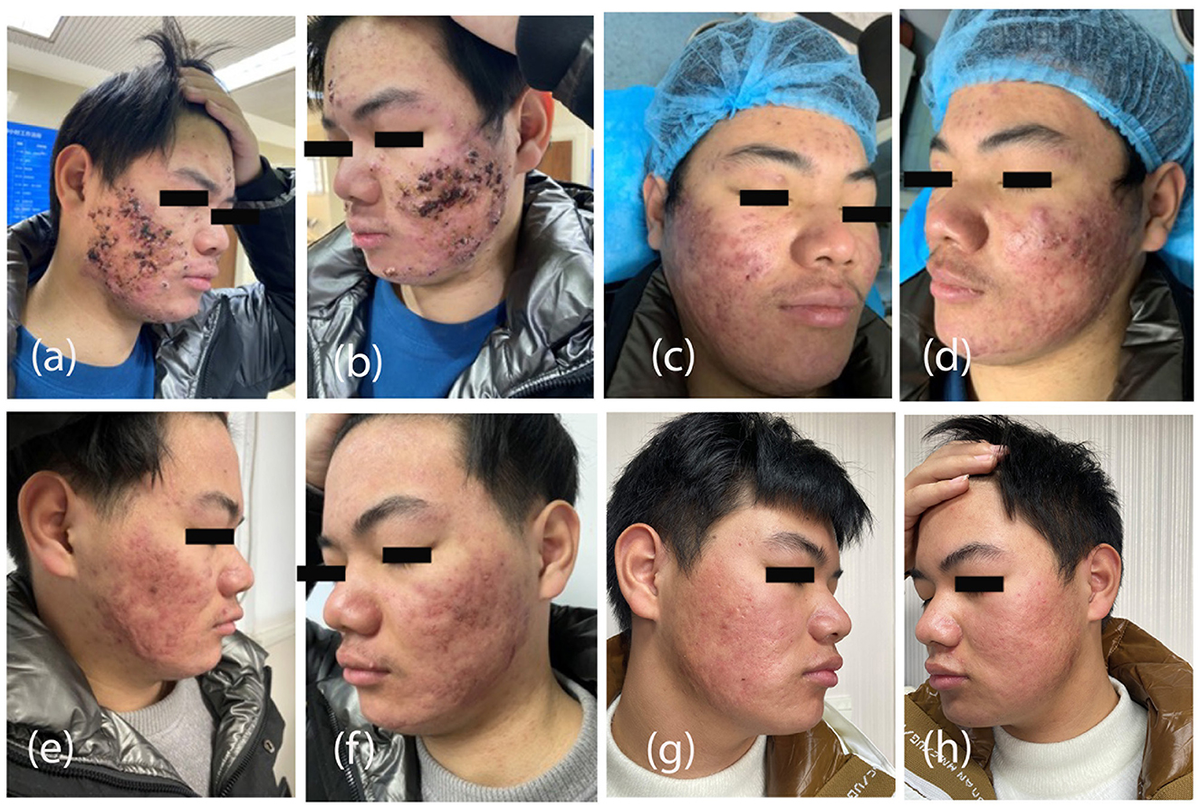
The introduction of the 5-Aminolaevulinic acid acne treatment marks a significant development in the dermatological field, particularly for individuals battling acne vulgaris. Affecting a substantial number of teenagers and young adults, acne vulgaris has always required innovative treatments to address its persistent challenges. This new method, involving a combination of photodynamic therapy with 5-aminolaevulinic acid and the use of adalimumab, presents a promising solution to this widespread condition.
Breakthrough in Acne Treatment: The Role of 5-Aminolaevulinic Acid
The integration of 5-aminolaevulinic acid in treating acne vulgaris is groundbreaking. Researchers introduced this compound as a novel photodynamic therapy component, showing visible improvements in patients. This therapy activates the 5-aminolaevulinic acid using specific light sources, targeting and destroying acne-causing bacteria. Additionally, this method minimizes skin irritation commonly associated with traditional treatments. As a result, individuals experience fewer side effects, making it a preferable option for many patients.
5-Aminolaevulinic Acid in Photodynamic Therapy
5-Aminolaevulinic acid serves as a crucial element in enhancing photodynamic therapy’s effectiveness. When applied to the skin, the compound becomes activated by illumination, targeting inflamed acne lesions specifically. Thus, this procedure not only reduces active breakouts but also helps in preventing future occurrences. Additionally, its anti-inflammatory properties contribute to a reduction in post-treatment redness, offering a smoother, clearer complexion.
Combining Adalimumab for Enhanced Results
Additionally, incorporating adalimumab with this treatment provides supplementary benefits. As a well-known anti-inflammatory agent, adalimumab helps control cytokine activity, crucial in reducing acne’s inflammatory component. Therefore, when used alongside 5-aminolaevulinic acid, it fortifies the therapeutic effects, achieving superior results compared to standard treatments alone. Consequently, this combination therapy holds promise for patients unresponsive to conventional acne treatments.
Implications and Future Prospects of 5-Aminolaevulinic Acid Acne Treatment
The successful implementation of 5-aminolaevulinic acid in acne treatment has significant implications for future dermatological practices. It presents a viable alternative for patients struggling with treatment-resistant acne, while its enhanced safety profile ensures broader accessibility. Furthermore, ongoing research continues to refine these methods, potentially uncovering new applications for this treatment in other dermatological conditions.
To summarize, the advent of 5-aminolaevulinic acid acne treatment heralds a new era in acne management. By combining cutting-edge photodynamic therapy with established medications like adalimumab, it offers a promising alternative for those affected by this persistent condition.
Key Takeaways
- 5-Aminolaevulinic acid enhances photodynamic therapy, effectively targeting acne lesions.
- Combining adalimumab with 5-aminolaevulinic acid provides additional anti-inflammatory benefits.
- This novel approach offers hope for patients with treatment-resistant acne.
Medical Disclaimer
This article provides information only and does not offer any medical advice or services.
