

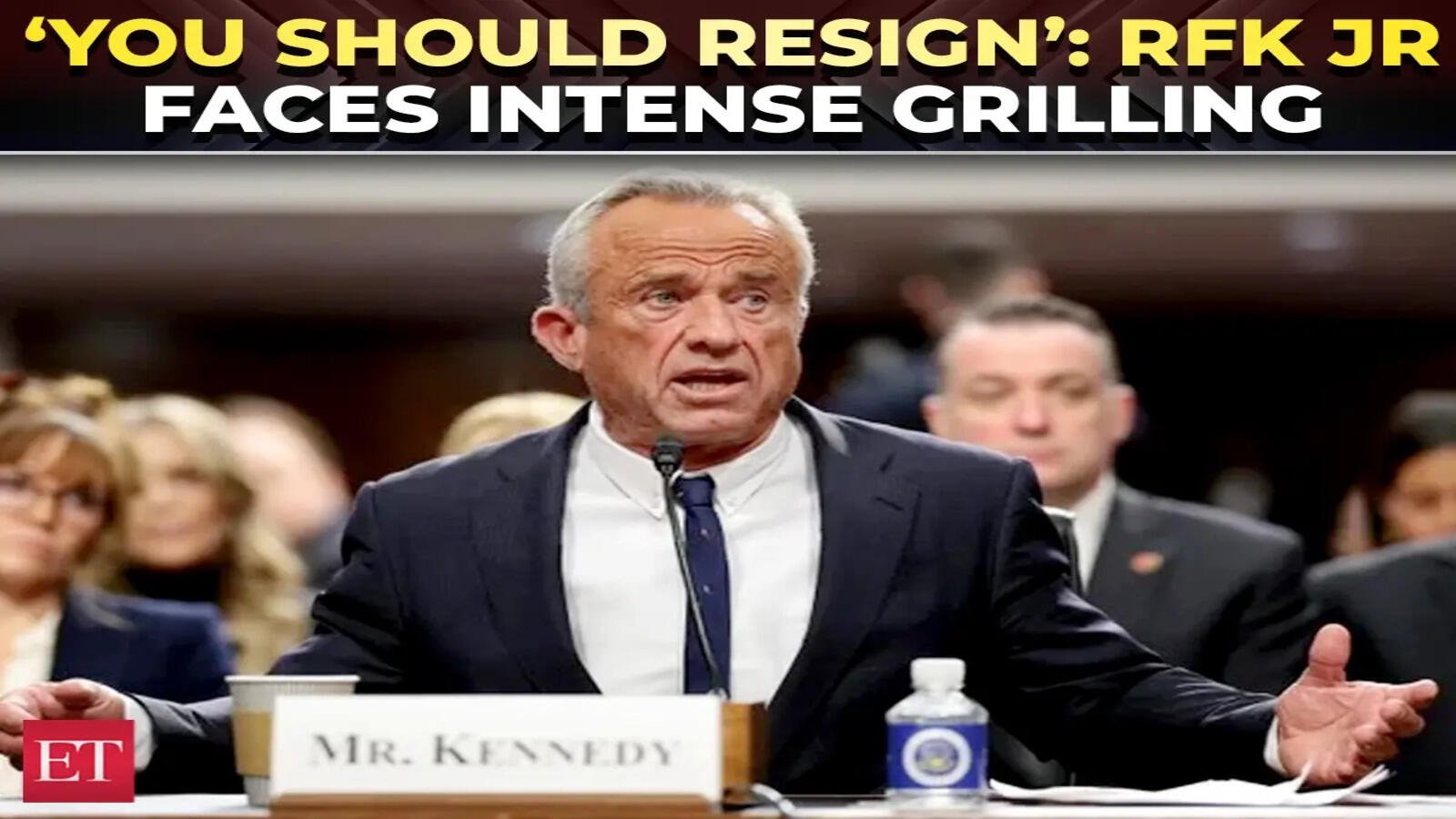
The controversial stance of Robert F. Kennedy Jr. on vaccines has sparked a fiery debate in Congress as he faced intense questioning over his healthcare policies. His confrontation with lawmakers coincides with a renewed fear of measles outbreaks across the nation, underlining the critical public health challenges America faces today. Consequently, these discussions have amplified concerns over misinformation in healthcare, with significant implications for national health policies.
Amidst this backdrop, former President Trump’s Health Secretary also faced serious allegations from Democrats, who accused him of disseminating false information during his tenure. This has only heightened tensions within the House, as the discussions pivot to accountability and transparency, raising questions about the integrity of past healthcare reforms.
RFK Jr Vaccine Congress Showdown Intensifies
The discussions reached a crescendo as RFK Jr.’s previous statements on vaccines were scrutinized, highlighting a divide not only among the legislators but also within the broader public discourse. His arguments against mandatory vaccinations came under fire, particularly as health officials stress the urgency of vaccination to prevent disease resurgence. Notably, experts have been vocal about the risks posed by low vaccination coverage, which could lead to severe public health crises.
House Democrats Demand Clarity
Meanwhile, House Democrats demanded clarity from the former Health Secretary on several health reforms executed during the Trump administration. They argued that a lack of transparency and potential distortion of facts had undermined public trust in the healthcare system. This call for accountability underscores a critical examination of the policies that shape healthcare access and delivery in the United States.
The Role of Vaccines in Public Health
As debates continue, the role of vaccines as a cornerstone of modern public health is underscored. The World Health Organization has consistently advocated for widespread vaccination as a primary tool to curb disease spread. Importantly, RFK Jr.’s contentious views bring to light the persistent challenges faced by health communicators in balancing individual freedoms with collective health responsibilities.
The broader implications of these Congressional hearings signal a need for clearer communication strategies and evidence-based policies to navigate the complexities of healthcare reform. Going forward, stakeholders will likely focus on rebuilding public confidence in health measures while addressing misinformation.
Key Takeaways
- Public health faces heightened scrutiny amidst rising vaccine controversies.
- Accountability and transparency remain central to healthcare reform debates.
- Future policies will need to balance individual rights with public safety.
Medical Disclaimer
This content is for informational purposes only and does not replace professional medical advice.
