

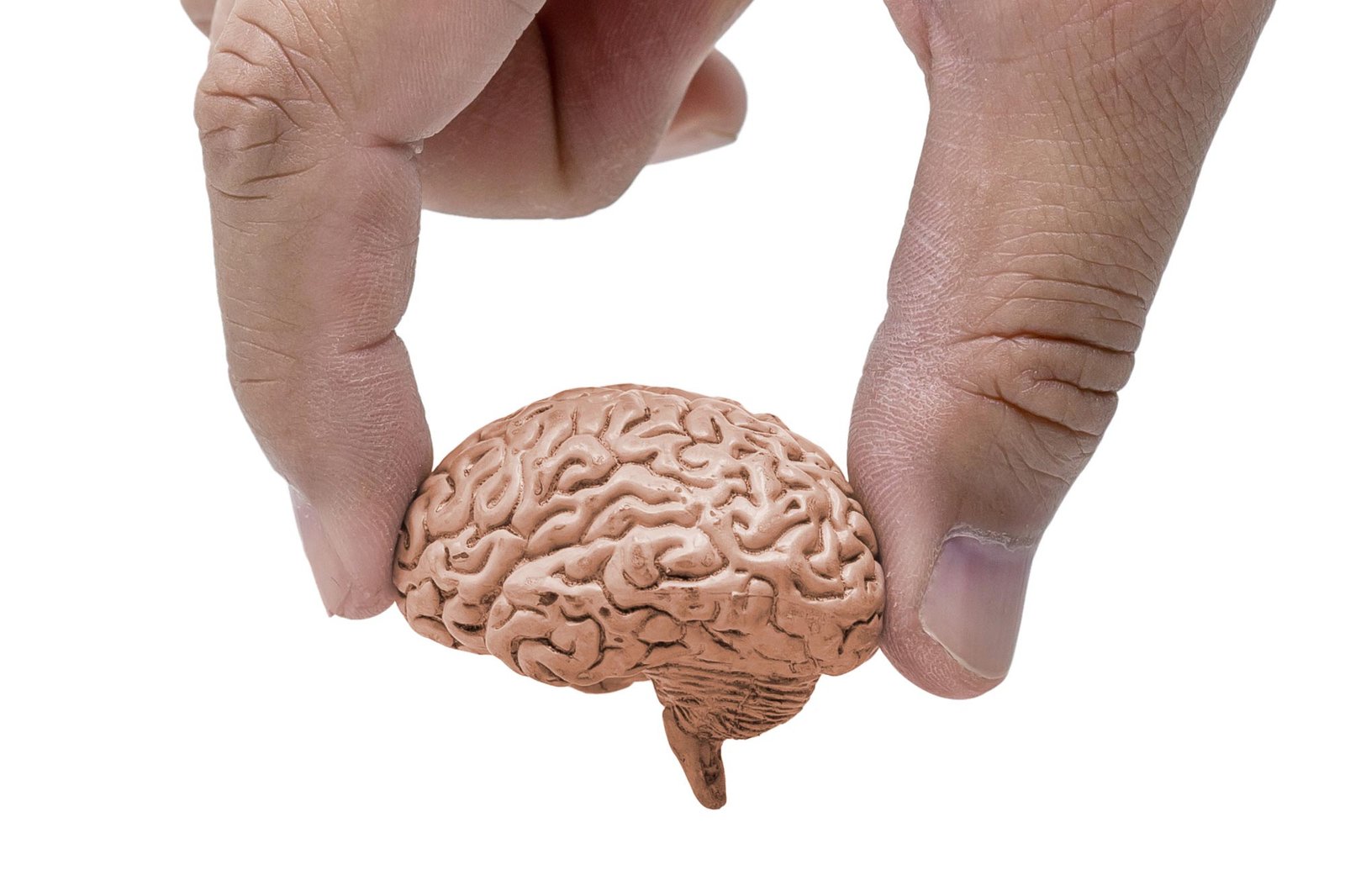
Understanding the importance of autism brain donation could be key to breakthroughs in autism research. As public support for such studies grows, Autism BrainNet’s latest survey unveils a surprising gap between the willingness to support research and the knowledge of how it’s conducted. This revelatory insight sheds light on an area often overlooked but vital for advancing autism science.
The Importance of Autism Brain Donation
Autism remains a complex neurological condition, and researchers continually seek innovative ways to understand its intricacies. Brain donation is integral to this quest. By examining the subtle differences in brains donated by individuals with autism, scientists can explore the condition’s unique neurological patterns. However, despite its critical role, the concept remains unfamiliar to many.
Bridging the Knowledge Gap
The survey by Autism BrainNet highlights a significant disconnect between public support for autism research and awareness of brain donation’s role. Most people advocate for advanced studies, yet they lack understanding of the practicalities involved. This gap suggests a need for broader education and communication to enhance participation and support for brain donation initiatives.
Implications of Autism Brain Donation
Brain donation enables researchers to investigate autism’s biological mechanisms deeply. It opens opportunities to uncover correlations between genetic factors and neuroanatomical changes. Consequently, these insights may facilitate the development of targeted therapies and treatments, paving the way for transformative breakthroughs in understanding and managing autism.
Promoting Informed Participation
Efforts to inform the public about the importance of autism brain donation must intensify. Encouragingly, advocacy groups and research bodies play a pivotal role in disseminating information. By emphasizing donation’s impact on scientific advancement, they can motivate individuals to consider contributing to this essential cause. Furthermore, transparent communication about the process can diminish misconceptions and bolster trust.
Ultimately, autism brain donation represents a monumental step toward uncovering mysteries surrounding the condition. As awareness and understanding grow, so too does the potential for significant scientific advancements.
Key Takeaways
- Brain donation is critical for advancing autism research and understanding neurological differences.
- There is a notable gap between public support for autism studies and knowledge about brain donation’s role.
- Increased awareness and education could enhance participation in brain donation initiatives.
Medical Disclaimer
This article provides informational content and should not substitute for professional medical advice.
