

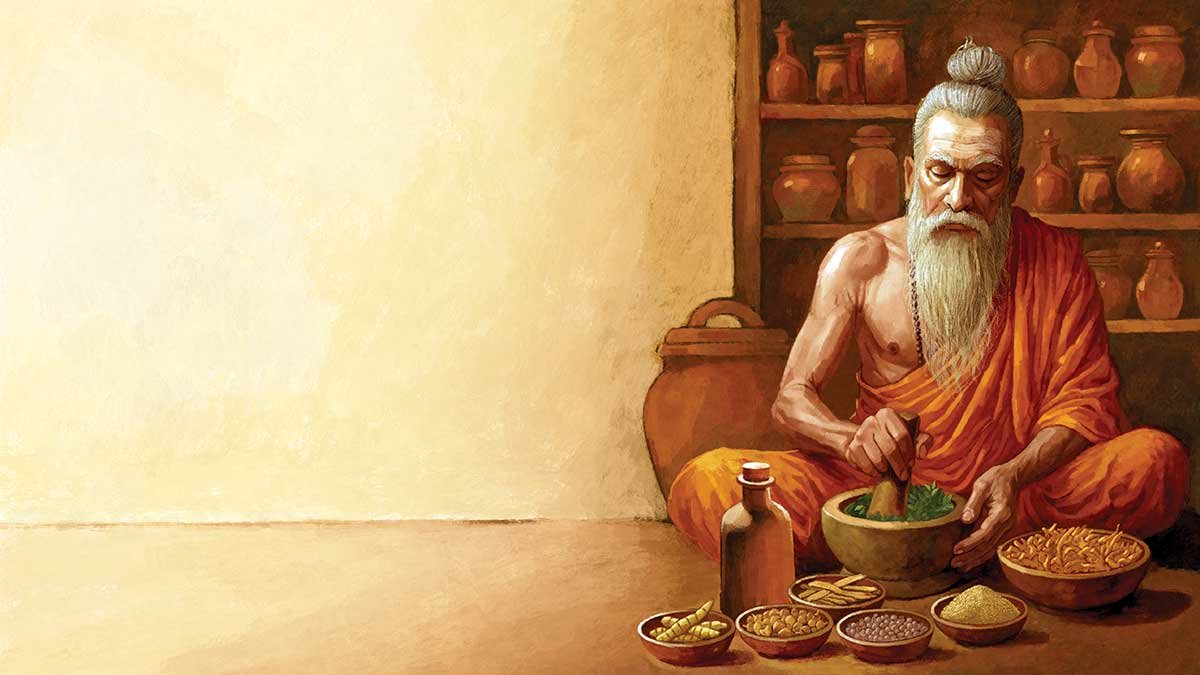
Traditional Indian Medicine Research is advancing with growing government support and scientific evaluation. Ancient systems like Ayurveda, Unani, Siddha, and Sowa Rigpa are being scrutinized under modern scientific methods. This interdisciplinary initiative signals a promising future for these traditional practices.
Bridging Ancient Practices with Modern Science
India’s traditional medicine, deeply rooted in its cultural heritage, is gaining increased attention from contemporary researchers. Notably, government initiatives are spearheading efforts to bridge the gap between ancient wisdom and modern scientific validation. This fosters both skepticism and optimism among practitioners and researchers. Many in the scientific community are scrutinizing these traditional methods to evaluate their efficacy and integrate them into mainstream healthcare, an endeavor that has so far remained challenging. Efforts similar to those seen in modern ayurvedic wellness products highlight the potential of combining ancient practices with modern research to address global healthcare needs.
The Role of Traditional Indian Medicine Research
The rise in interest surrounding Traditional Indian Medicine Research highlights a transformational period where decades-old practices face the rigors of scientific investigation. Ayurveda, one of the most prominent systems, exemplifies this ongoing transition. Researchers are not only trying to validate its age-old tenets through scientific studies but also attempting to understand its potential integration with allopathic medicine. With an expanding base of followers and educators, these practices maintain relevancy in today’s fast-paced world.
Government Support Fuels the Progress
The Indian government plays a pivotal role in the upsurge of Traditional Indian Medicine Research. By increasing funding and forming dedicated research centers, they aim to underscore the therapeutic potential of these ancient systems. Significant investment in scientific infrastructure is paving the way for modern laboratories equipped to conduct high-level research on herbs and other traditional remedies. Such actions are crucial in transforming speculative claims into evidence-based disciplines.
However, these efforts come with their own set of challenges. The complexity of these traditional systems requires interdisciplinary collaboration, involving experts from various fields to provide holistic evaluations and produce reliable outcomes. Consequently, any integration into modern healthcare must be approached with cautious optimism, ensuring safety and efficacy are prioritized.
Key Takeaways
- The traditional Indian medicine systems are under scientific scrutiny to validate their efficacy.
- The Indian government is backing research with increased funding and infrastructure initiatives.
- Bridging ancient practices with modern science could transform global healthcare but requires comprehensive evaluation.
Medical Disclaimer
This content is for informational purposes only and does not substitute professional medical advice.
