

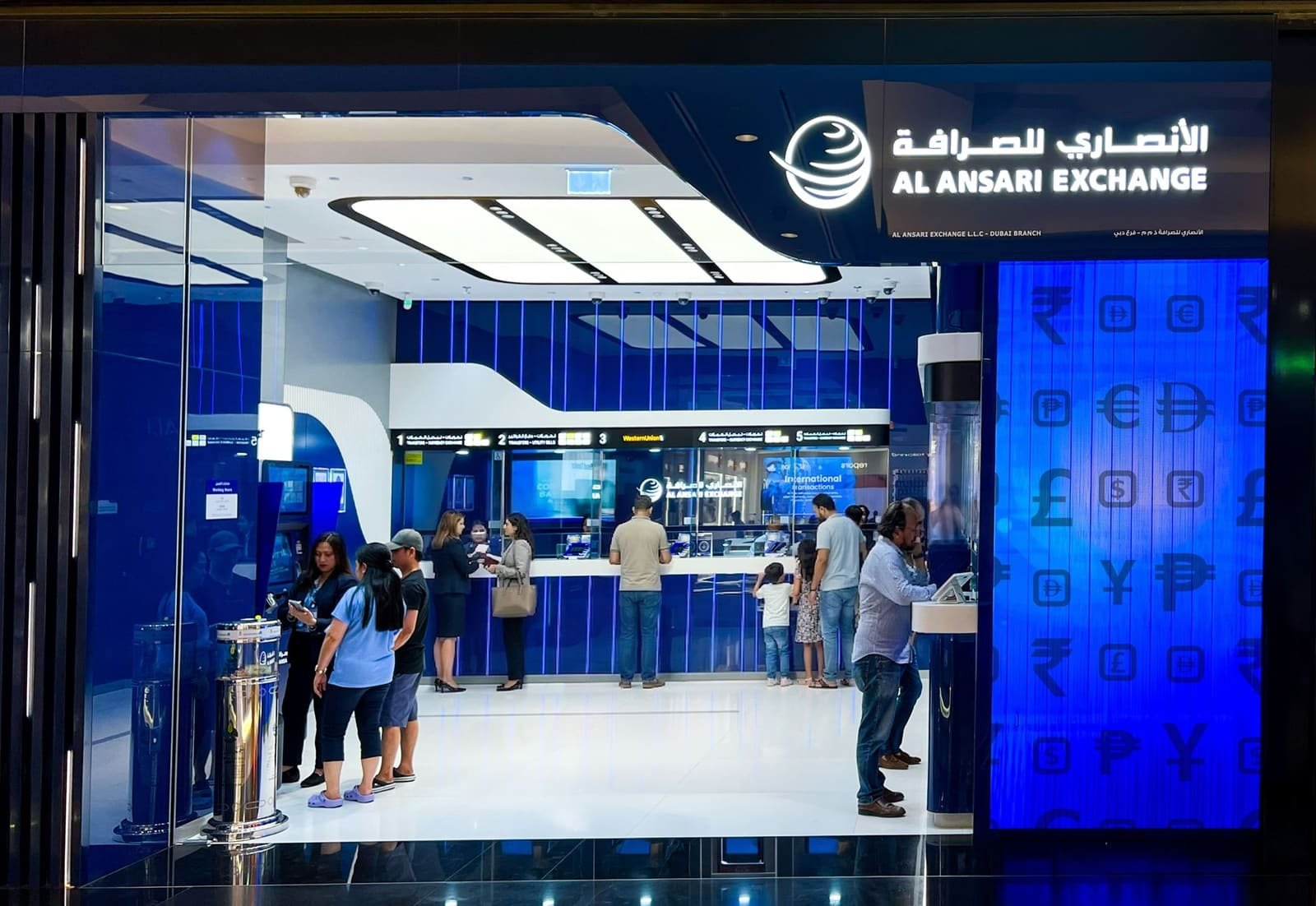
The UAE’s new salary payment rules have spurred a remarkable 151% increase in employer payroll activity, illustrating the widespread impact of this legislative change on June 1. Al Ansari Exchange has already reported substantial growth in the use of its Wage Protection System (WPS) platform, highlighting the significant shift in payroll processes.
The introduction of this law marks a critical move to enhance financial transparency and protection for employees across the United Arab Emirates. Consequently, employers who had not yet transitioned to these compliant systems are now adopting effective payroll solutions. This transition underscores the emphasis on regulated wage distribution and strengthens compliance with labor laws.
Impacts of the New UAE Salary Payment Rules
The UAE salary payment rules, mandated by the Wage Protection System, require all salaries to be paid electronically in a bid to guarantee timely wage distribution. Compliance with these payroll reforms not only safeguards employees’ rights but also promotes a more organized financial ecosystem across sectors.
Adoption of Wage Protection System
Companies are increasingly integrating into the WPS to meet the UAE salary payment rules, thereby fulfilling the legal obligations set forth by the government. Al Ansari Exchange has experienced this firsthand, attributing its exceptional platform usage to companies seeking compliance with the new law.
Role of Financial Institutions
Banks and exchange houses play a pivotal role in facilitating this transition to electronic payment systems. They provide essential infrastructure and services, ensuring that employers can effectively comply with the UAE salary payment rules. Consequently, financial institutions have seen an uptick in service demand, as organizations strive to align with statutory requirements.
Notably, the broader implications of these rules extend beyond compliance. Employers can now maintain cleaner and more transparent payroll records, reducing discrepancies and enhancing trust among workers. As companies continue to adapt to this regulatory landscape, sustainability in payroll processing is expected to improve significantly.
In the coming months, stakeholders should closely monitor the full integration of businesses into the WPS system. Further developments will likely reveal additional impacts on operational efficiencies and employee satisfaction. This legislative milestone not only champions worker rights but also reinforces the UAE’s commitment to progressive economic policies.
