Close Menu

    Subscribe to Updates

    Get the latest creative news from medicalintelligence about art, design and business

    What's Hot

    Burjeel holdings sukuk programme: ratings boost

    July 8, 2026

    Ketamine meta-analysis insights reveal antidepressant effects

    July 8, 2026

    Processed foods affect preschool behavior: study reveals

    July 8, 2026
    Facebook X (Twitter) Instagram
    medicalintelligence
    Facebook X (Twitter) Instagram WhatsApp
    SUBSCRIBE
    • Medical Research & Evidence
      • Clinical Trials & Studies
      • Research Analysis
      • Systematic Reviews & Evidence Summaries
    • Clinical Insights
      • AI in Clinical Practice
      • Specialist Perspectives & Case-Based Insights
    • Neuroscience, Psychology & Mental Health
      • Mental Health Science
      • Neurodevelopment & Brain Health
      • Psychology & Behaviour
    • Womenโ€™s, Reproductive & Child Health
      • Child Development & Parenting Science
      • Pregnancy & Reproductive Health
      • Womenโ€™s Health & Hormones
    • Nutrition, Metabolism & Lifestyle Medicine
      • Evidence-Based Nutrition
      • Fitness & Exercise
    • Dermatology, Aesthetic & Reconstructive Medicine
      • Aesthetic & Cosmetic Procedures
      • Clinical Dermatology
      • Reconstructive & Surgical Care
    • Integrative & Alternative Medicine
      • Ayurveda & Traditional Medicine
      • Evidence & Safety in Alternative Care
      • Integrative Therapies
    • UAE & GCC Healthcare
      • Healthcare Events & Conferences
      • Healthcare News
      • Policy & Regulation
    medicalintelligence
    Home ยป War on ultra-processed foods: does it make sense
    Evidence-Based Nutrition

    War on ultra-processed foods: does it make sense

    Medical Intelligence NewsBy Medical Intelligence NewsJuly 7, 2026No Comments3 Mins Read
    Share
    Facebook Twitter LinkedIn Pinterest Email

    War on ultra-processed foods: does it make sense

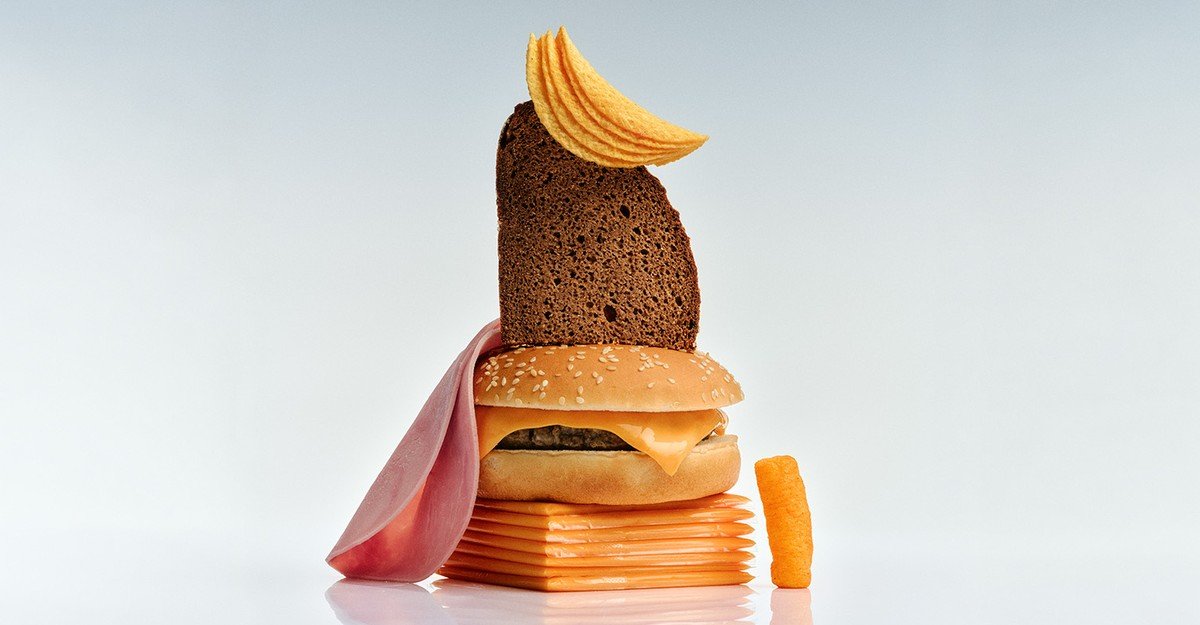
    The war on ultra-processed foods has become a popular topic of discussion among health experts and nutritionists. The term “ultra-processed foods” sparks debate over its impact on public health and diet quality. While the food industry produces these items for convenience, public health campaigns warn against their consumption due to potential health risks. Understanding this conflict between consumer choices and health recommendations is crucial for everyone concerned about their dietary habits.

    The War on Ultra-Processed Foods

    Ultra-processed foods, often referred to as UPFs, include items like sugary drinks, packaged snacks, and ready-to-eat meals that dominate grocery store shelves. Advocates of reducing UPF intake argue they contribute significantly to obesity, diabetes, and other health conditions due to their high calorie content and low nutritional value. Therefore, discussions around UPFs are vital as they influence dietary guidelines and inform public health policies.

    Why Are Ultra-Processed Foods Popular?

    Despite the negative press, ultra-processed foods remain popular. The primary reason is convenience. These products offer a quick solution for consumers with busy lifestyles. Moreover, their longer shelf life and affordability attract many shoppers, especially in urban areas where time is short. Therefore, reducing their consumption poses a challenging task for policymakers and health advocates.

    Health Implications of Ultra-Processed Foods

    Health experts emphasize the potential risks associated with high UPF consumption. Frequent consumption has been linked to several health concerns. A 2024 study in JAMA found that diets high in UPFs can lead to increased risk factors for chronic diseases, such as cardiovascular diseases. Consequently, health campaigns actively promote reducing UPFs in daily diets, aiming to improve public health outcomes.

    Responses to the War on Ultra-Processed Foods

    Food manufacturers are responding to this criticism by reformulating products to reduce additives. Additionally, some companies are investing in healthier options, like organic or minimally processed foods, to align with consumer health trends. Still, experts argue that real progress requires more than just industry changes; it demands consistent public education about nutrition. Nordic countries, known for their progressive healthcare systems, also emphasize public health and nutritious diets.

    Legislation also plays a critical role in this debate. Policies that mandate clear labeling and limit advertising of UPFs to children aim to empower consumers to make informed eating choices. Such measures demonstrate the collective responsibility shared by governments, industries, and consumers to prioritize health over convenience. Ayurvedic practices also focus on holistic nourishment, reducing reliance on processed foods.

    Ultimately, the conversation surrounding ultra-processed foods reflects broader societal issues of dietary habits and health awareness. As research progresses, stakeholders continue to debate the balance between enjoying these foods and adhering to nutritional guidelines. This ongoing dialogue ensures the issue remains relevant, encouraging healthier food environments.

    Key Takeaways

    • Ultra-processed foods are convenient but may pose health risks.
    • Efforts to reduce UPF consumption include public health campaigns and industry reformulations.
    • Informed consumer choices and regulatory policies can promote healthier diets.

    Medical Disclaimer

    The information provided in this article is for informational purposes only and should not be considered medical advice.

    Medical Intelligence News

    Related Posts

    Nutrition support in acute cardiac inpatients unlocked

    July 4, 2026

    Confronting silent hunger in Nepal: a critical turning point

    July 2, 2026

    Community nutrition entrepreneurship transforming Bangladesh

    June 30, 2026
    Leave A Reply Cancel Reply

    Don't Miss
    Policy & Regulation

    Burjeel holdings sukuk programme: ratings boost

    By Medical Intelligence NewsJuly 8, 20260

    Burjeel Holdings, a key player in the GCC’s healthcare sector, has set its sights on…

    Ketamine meta-analysis insights reveal antidepressant effects

    July 8, 2026

    Processed foods affect preschool behavior: study reveals

    July 8, 2026

    Yoga to quit tobacco: a mindful path to freedom

    July 8, 2026
    Stay In Touch
    • Facebook
    • Twitter
    • Instagram
    • WhatsApp
    Our Picks

    Burjeel holdings sukuk programme: ratings boost

    July 8, 2026

    Ketamine meta-analysis insights reveal antidepressant effects

    July 8, 2026

    Processed foods affect preschool behavior: study reveals

    July 8, 2026

    Yoga to quit tobacco: a mindful path to freedom

    July 8, 2026

    Subscribe to Updates

    Get the latest creative news from medicalintelligence.

    About Us

    Medical Intelligence delivers trusted updates on global and GCC healthcare trends, innovations, and AI in medicine. Stay informed with expert-driven content tailored for healthcare professionals and enthusiasts.

    Our Picks
    Categories
    • Aesthetic & Cosmetic Procedures
    • AI in Clinical Practice
    • Ayurveda & Traditional Medicine
    • Blog
    • Child Development & Parenting Science
    • Clinical Dermatology
    • Clinical Trials & Studies
    • Evidence & Safety in Alternative Care
    • Evidence-Based Nutrition
    • Fitness & Exercise
    • Healthcare News
    • Insights From Our Experts
    • Integrative Therapies
    • Mental Health & Well-being
    • Mental Health Science
    • Neurodevelopment & Brain Health
    • Policy & Regulation
    • Pregnancy & Reproductive Health
    • Reconstructive & Surgical Care
    • Research Analysis
    • Specialist Perspectives & Case-Based Insights
    • Systematic Reviews & Evidence Summaries
    Facebook X (Twitter) Instagram WhatsApp RSS
    • Home
    • About
    • Contact
    • Privacy Policy
    • Terms & Conditions
    © 2026 Medicalintelligence. Designed by Medicalintelligence.

    Type above and press Enter to search. Press Esc to cancel.