

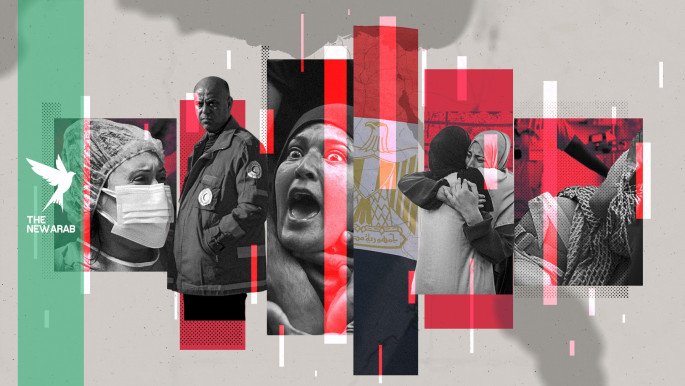
In a shocking revelation, a whistleblower has exposed rampant maternity ward abuse in Egypt, capturing global attention with a viral post. Dr. Omnia Sweidan, who courageously shed light on the mistreatment occurring inside these wards, faces a suspended jail sentence from Egyptian authorities. Her actions not only unveiled these abuses but also ignited a broader conversation about healthcare rights and accountability.
Whistleblower Egypt Maternity Abuse: Unveiling the Facts
Dr. Omnia Sweidan’s whistleblower post acted as a catalyst for addressing severe issues within Egyptian maternity care facilities. Her detailed account of the abuse faced by expectant mothers sparked outrage and highlighted the urgent need for reform. Consequently, this revelation underscored the profound systemic failures in providing safe and humane healthcare services for vulnerable patients.
The Harrowing Reality Inside Maternity Wards
The exposure of these abuses paints a grim picture of the conditions many women endure. According to Dr. Sweidan, verbal and physical abuses, neglect, and lack of adequate medical attention are prevalent in these settings. These conditions not only jeopardize the health and safety of mothers and their infants but also reflect a broader disregard for human rights within medical institutions.
Response to the Whistleblower’s Revelations
As a result of Dr. Sweidan’s viral post, public reactions ranged from widespread condemnation of the mistreatment to calls for immediate governmental intervention. While authorities handed Dr. Sweidan a suspended jail sentence, her credibility as a whistleblower remains intact, further emphasizing the need for transparency and reform in the healthcare system.
Activists and citizens are now urging Egyptian officials to implement stringent regulations and oversight in maternity wards to prevent further incidents. Moreover, the spotlight on such abuses has intensified discussions about patient rights and institutional accountability, emphasizing the need for systemic changes.
Implications for Healthcare in Egypt
Dr. Sweidan’s actions have propelled the issue of maternity ward abuse to the forefront of national discourse, setting a precedent for whistleblowers in similar situations. Consequently, this case has inspired others to voice their concerns, fostering a culture of accountability. This movement’s momentum urges authorities to prioritize patient welfare, improve facility conditions, and protect healthcare workers who report such abuses.
The broader impact of exposing these abuses extends beyond individual cases of mistreatment. It serves as a crucial reminder of the importance of advocating for ethical practices and safeguarding human dignity within healthcare systems worldwide. The plight of these women and their infants in Egyptian maternity wards is a stark call for collective action and reform.
In closing, the exposure of maternity ward abuse in Egypt highlights significant systemic issues, demanding comprehensive and swift actions to protect patients’ rights and ensure humane treatment. The courageous act of whistleblowing by Dr. Sweidan paves the way for future transparency and justice in healthcare environments.
