

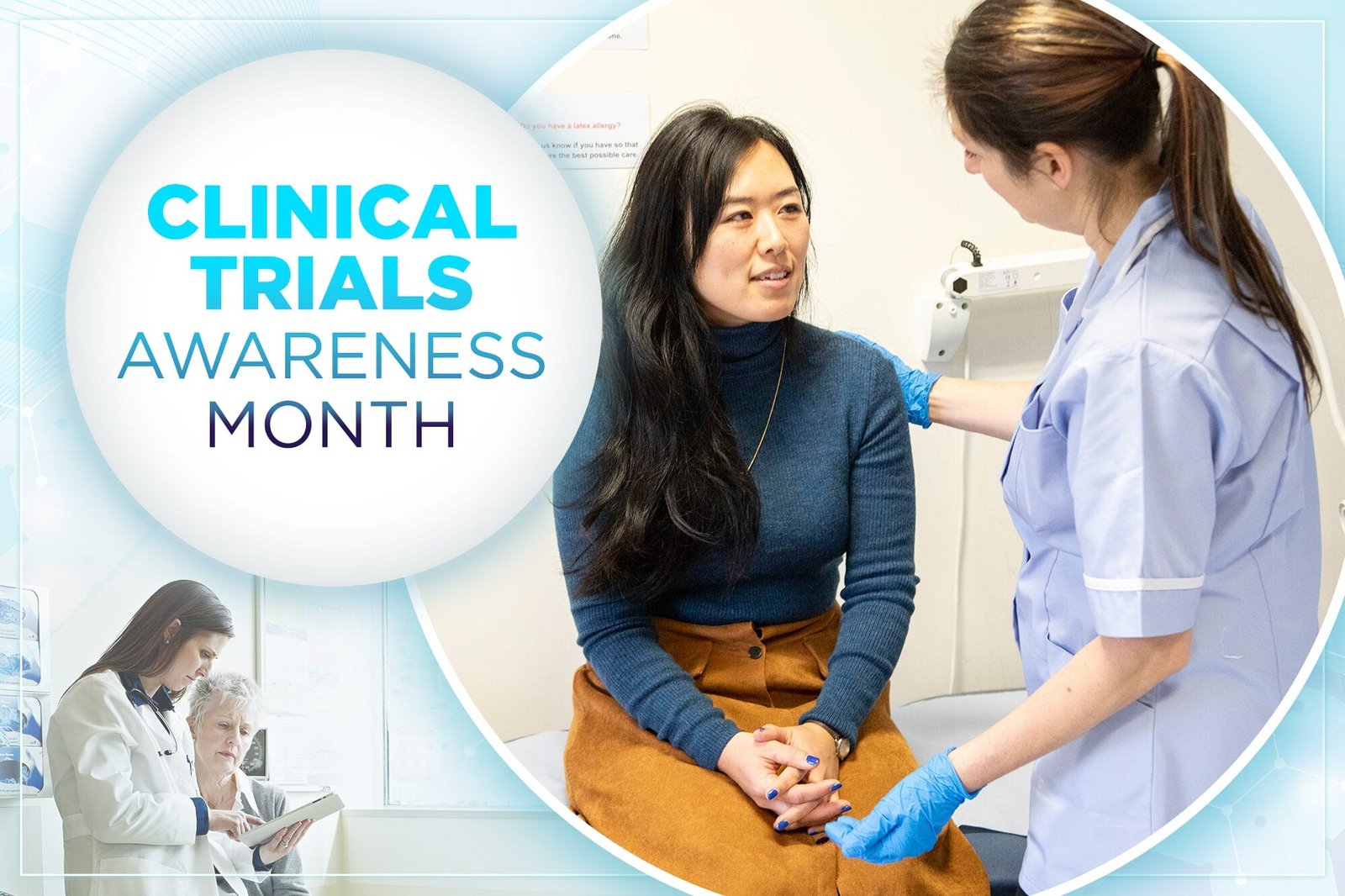
In the landscape of scientific research, women in clinical trials were largely absent until the 1990s. This significant exclusion painted an incomplete picture of medical research outcomes and spurred an essential evolution. In 1993, the National Institutes of Health (NIH) inclusion policy emerged, beginning a new era that acknowledged the importance of women’s participation in clinical trials. As a result, this pivotal change not only diversified studies but also broadened the understanding of health and disease dynamics across genders.
Women in Clinical Trials: History and Impact
Historically, the exclusion of women from clinical trials resulted from both ethical and scientific misinformation. Researchers feared potential risks to participants and subsequent pregnancies, which led to a predominantly male-centric pool in clinical studies. However, the lack of women’s representation raised concerns about the applicability of trial results to the entire population. Consequently, this created a glaring gap in medical data relevant to women’s health.
The Evolution of Inclusion Policies
The watershed moment came in 1993 when the NIH codified policies mandating the inclusion of women in clinical trials into federal law. This initiative aimed to rectify previous biases and facilitate a more comprehensive approach to health research. Moreover, it signified a shift towards recognising the unique physiological and hormonal differences that affect drug efficacy and disease presentation between men and women. As a result, clinical trial designs now increasingly factor in gender diversity, thus ensuring more accurate and applicable results.
Significant Impacts and Revelations
The inclusion of women in clinical trials has had profound impacts on medical research. For example, researchers have identified differences in how diseases manifest and how treatments work between genders. These insights have led to more personalized and effective healthcare protocols. Furthermore, women’s health issues, such as cardiovascular diseases, are receiving more focused attention, leading to improved outcomes.
- Personalized medicine has become more effective with gender-specific data.
- Women’s health issues now receive amplified focus and funding.
- Gender diversity in trials enhances the understanding of side effects in women.
Future Implications and Challenges
Looking forward, the integration of women in clinical trials must continue to evolve. Addressing remaining disparities, such as the underrepresentation of women in certain age groups or ethnic backgrounds, remains crucial. Additionally, the healthcare industry must emphasize ongoing education and awareness to ensure robust, equitable research practices. As the field progresses, a comprehensive approach will be vital to fully harness the benefits of gender-inclusive studies. These efforts are in line with broader trends in healthcare AI operational execution, emphasizing diverse and precise data for enhanced outcomes as discussed here.
Key Takeaways
- The 1993 NIH inclusion policy marked a fundamental shift in clinical research.
- Understanding gender differences is pivotal for accurate medical outcomes.
- Continued focus on diversity in trials fosters personalized medicine development.
Medical Disclaimer
This content is for informational purposes only and does not constitute medical advice.
