

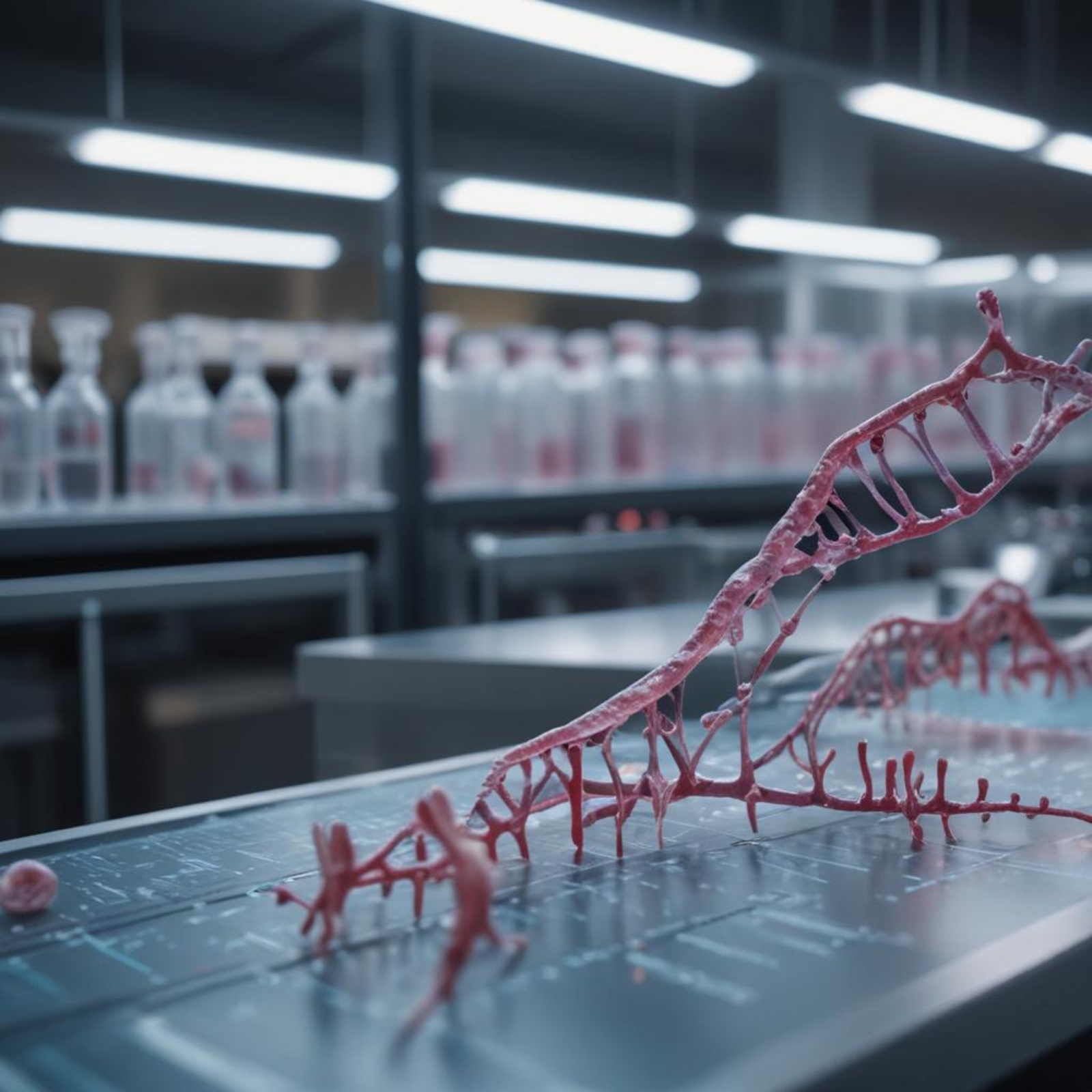
CRISPR Gene Editing for Regenerative Medicine Advancements is opening new possibilities in how we approach healing and tissue repair. This precise gene-editing technology is helping scientists target specific genetic material to either fix, remove, or replace it. In regenerative medicine, that means real progress in treating conditions once considered irreversible.
How CRISPR Gene Editing for Regenerative Medicine Advancements Is Changing Healthcare
Over the past decade, CRISPR has emerged as a powerful tool in research labs around the world. It stands for “Clustered Regularly Interspaced Short Palindromic Repeats.” Despite the scientific name, its application is simple: it acts like molecular scissors to edit DNA. In regenerative medicine, this means the ability to restore damaged cells, tissues, or even entire organs using the body’s own biological systems.
Scientists are now working to use CRISPR to treat genetic diseases at the source. For example, stem cells edited with CRISPR can be used to grow new tissue for transplant. These medical advances could benefit patients with spinal cord injuries, heart failure, or degenerative diseases like Parkinson’s. This approach aligns with broader innovations such as the Volunteer-Powered Genetic Disease Prevention Revolution, which emphasizes proactive, personalized approaches to genetic health.
Current Applications of CRISPR Gene Editing in Regeneration
- Skin Repair: Researchers are using CRISPR to correct genetic defects that cause chronic wounds or skin disorders.
- Vision Restoration: Clinical trials are exploring gene editing to repair damaged retinal cells in people with inherited blindness.
- Blood Disorders: Patients with sickle cell anemia are already seeing promising results from CRISPR-modified stem cells.
- Cartilage Regeneration: Scientists are developing techniques to rebuild cartilage for arthritis sufferers by editing stem cells in the lab.
What’s exciting is the level of precision. Unlike older forms of gene therapy, CRISPR allows exact corrections. That means fewer complications and lower risk of affecting healthy cells.
Benefits and Limitations of Regenerative Gene Editing
One clear benefit is the long-term potential of these treatments. In many cases, edited cells can multiply and form fully functioning tissues. This reduces the need for lifelong medication or repeated surgeries. It’s especially promising for people with chronic or untreatable conditions.
However, CRISPR gene editing is still evolving. There are risks, including off-target effects where unintended genes are altered. Ethical concerns also exist around how far this technology should go. That’s why the medical community continues to study both the outcomes and long-term safety of CRISPR-based therapies.
So far, most advancements have taken place in controlled lab settings or small clinical trials. It will take time and more data before widespread treatments become available. That said, the direction is clear and filled with potential.
What Patients Should Know About CRISPR in Regenerative Medicine
If you’re exploring regenerative options, it’s important to stay informed. Talk with your doctor about the current state of gene-editing research and whether you qualify for clinical trials. Not every patient will be eligible, but awareness is key.
In the years ahead, we may see more approved uses of CRISPR for conditions like diabetes, muscle loss, and even heart damage. Until then, focus on what’s available now and support research that prioritizes safety and ethics. Related innovations, such as Emerging Smart Hospital Technologies in GCC Healthcare, are enhancing the clinical ecosystems that support advanced therapies like CRISPR.
CRISPR Gene Editing for Regenerative Medicine Advancements may not be a miracle cure, but it represents science taking major steps toward rebuilding the body from within. Progress like this highlights the potential of personalized health solutions that are tailored to each person’s genetics and needs.
As these technologies develop, staying educated can help you make smarter health choices. Whether it’s participating in a trial or simply understanding your options, being informed gives you power in your health journey.
