

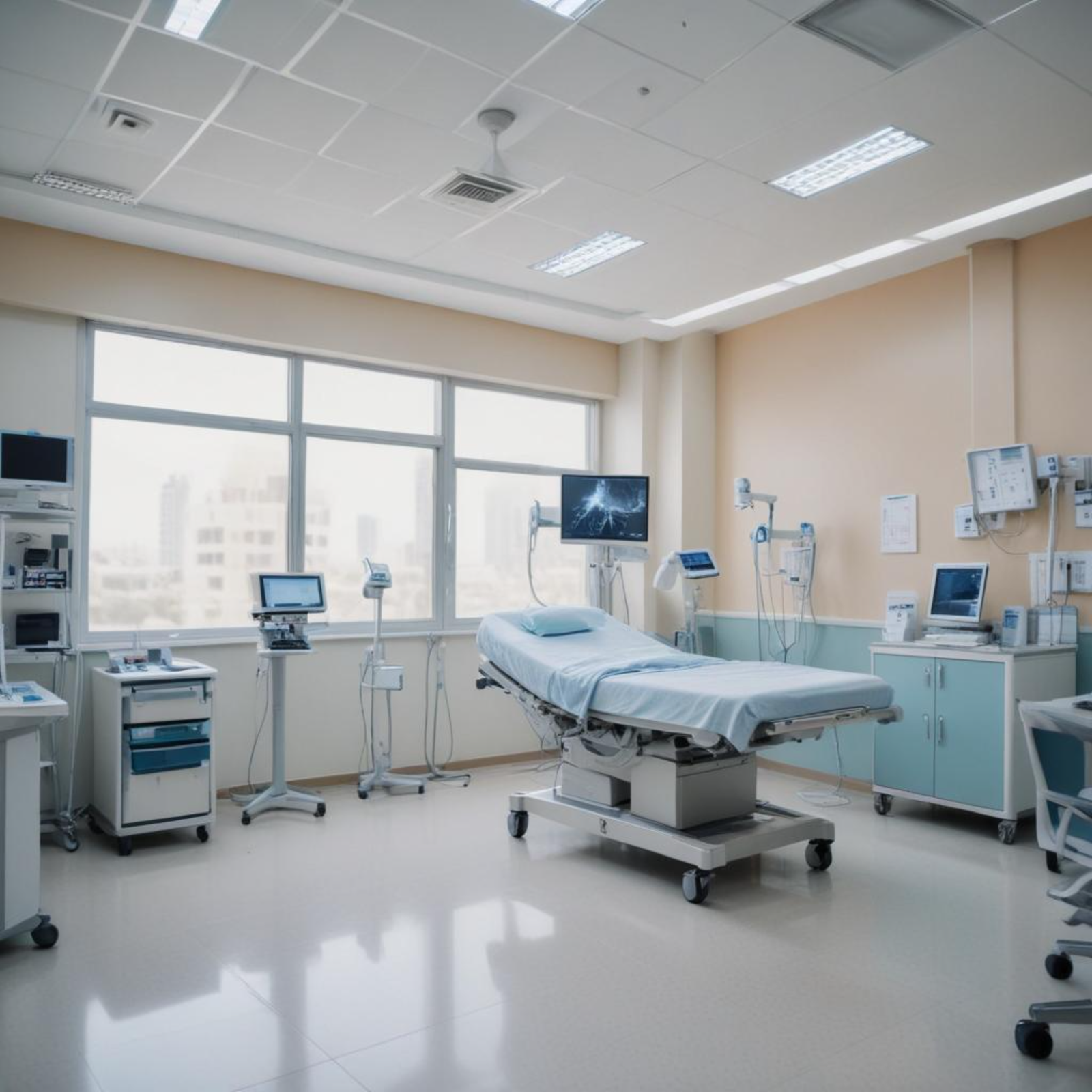
Emerging Smart Hospital Technologies in GCC Healthcare are setting a new standard for patient care and hospital efficiency across the region. As Gulf countries embrace digital transformation, advanced technologies like AI, IoT, and remote monitoring are becoming key players in modernizing healthcare systems. These innovations aim to reduce healthcare costs, improve treatment accuracy, and enhance the overall patient experience.
How Emerging Smart Hospital Technologies in GCC Healthcare Are Reshaping Medical Services
Smart hospital technologies are not science fiction anymore. Across the GCC—short for Gulf Cooperation Council—countries like the UAE, Saudi Arabia, and Qatar are investing heavily in digital healthcare infrastructure. This effort supports national health visions focused on accessible and efficient care.
The shift goes beyond upgrading computers or adding new machines. It means creating interconnected systems that allow doctors, nurses, and patients to work in sync. These systems range from real-time data collection tools to AI-powered diagnostic engines. The goal? Better health outcomes with fewer complications and delays.
Top Innovations Driving Change in Smart Hospital Care
- AI-Driven Diagnostics: Artificial Intelligence is helping doctors diagnose conditions faster using tools trained on large medical datasets. This speeds up decision-making and reduces the chances of human error. Hospitals implementing AI-Driven Precision Oncology Treatments demonstrate how powerful this technology can be in critical care areas.
- IoT-Connected Devices: Wearable monitors, smart beds, and connected infusion pumps offer continuous, real-time data. They help catch issues early before they become emergencies.
- Remote Patient Monitoring: Telehealth tools let medical staff track a patient’s vital signs even after they leave the hospital. This supports better management of chronic diseases like diabetes and heart disease. Many institutions are beginning to pair this with personalized chronic disease management tools that enhance long-term patient support.
- Integrated Electronic Health Records (EHR): Patients’ medical histories, lab reports, and prescriptions are accessible instantly across departments. This reduces duplication and enhances coordinated care.
- Robotic Surgery and Automation: With high-precision tools, surgeons can perform minimally invasive procedures. Robots also help streamline hospital logistics like medication delivery and sanitation.
Why These Technologies Matter for GCC Healthcare
Many hospitals in the GCC deal with rising demand due to population growth and lifestyle-related diseases. Emerging Smart Hospital Technologies in GCC Healthcare offer practical solutions. For instance, AI tools help manage patient loads during peak times. They also assist in early detection of conditions like cancer or respiratory illnesses.
Another key benefit is improved patient satisfaction. Long wait times and communication gaps are common complaints in traditional settings. With smart tools, patients receive faster service and more accurate updates on their health.
These technologies also give healthcare workers more time. Automating routine tasks helps nurses and doctors focus on what matters most—patient care. In the long run, this reduces burnout and improves team efficiency.
Challenges to Consider Before Full-Scale Adoption
While the benefits are real, some risks and barriers need attention. Not all regions in the GCC have the same digital readiness. Implementing smart hospital systems requires strong technical support and staff training. Cost is another hurdle. Upgrading infrastructure demands significant investment.
Privacy and data security are important too. With more digital data in circulation, the chances of cyber threats increase. Hospitals must apply strict safeguards to protect patient information.
It’s also worth noting that smart technology should complement—not replace—human care. Empathy, judgment, and clinical skill still play a major role in successful treatments.
Tips for Making Smart Health Tech Work Effectively
- Start with Clear Goals: Define what problems the technology needs to solve. This keeps efforts focused and measurable.
- Involve Healthcare Staff Early: Doctors, nurses, and IT staff should be part of the planning process. Their insights help avoid misunderstandings during rollout.
- Ensure Training and Support: Regular training sessions help teams stay confident using new tools. Ongoing technical assistance builds trust.
- Invest in Cybersecurity: Protecting sensitive patient data is critical. Hospitals need strong passwords, firewalls, and encryption protocols in place.
- Monitor and Adjust: Once systems go live, track their performance. Use feedback to tweak settings or workflows as needed.
Final Thoughts on GCC’s Smart Health Future
The momentum for digital healthcare transformation is growing fast in the GCC. Governments and healthcare providers are aligning their visions with technological innovation. As these efforts advance, Emerging Smart Hospital Technologies in GCC Healthcare will continue to push the boundaries of what’s possible in medical care.
Success depends on careful planning, ongoing training, and a strong commitment to patient-centered care. When technology and human expertise work together, the results are promising. From shorter hospital visits to better chronic disease management, the benefits are already making a difference across the region.
