

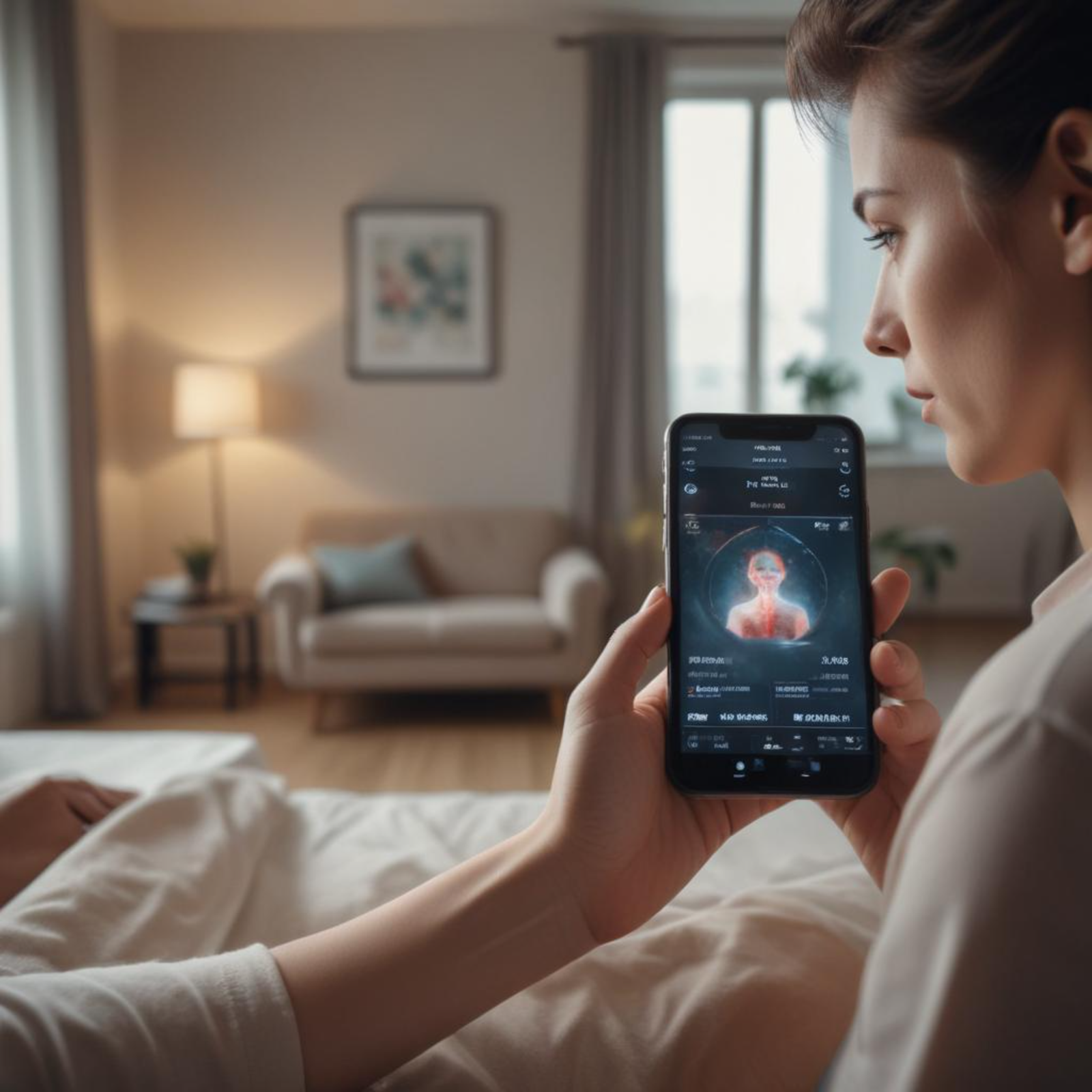
Managing long-term conditions has come a long way, and today’s personalized chronic disease management tools for patient empowerment are driving a major shift in healthcare. Instead of a one-size-fits-all approach, individuals now have access to resources that adapt to their personal needs and goals. This transformation isn’t just technological, it’s a practical change that helps people better understand, monitor, and manage their health, while working closely with healthcare providers.
How Personalized Tools Enhance Chronic Disease Self-Management
Personalized tools are designed to offer insights that are specific to each person’s medical history, lifestyle, and treatment plan. For individuals living with conditions such as diabetes, high blood pressure, or heart disease, tailored technology can play a central role in better outcomes. These tools range from mobile apps and wearable devices to web-based platforms that integrate medication tracking, symptom monitoring, and personalized goal setting.
For example, a person with type 2 diabetes may use a digital glucometer connected to a companion app. It not only logs blood sugar levels but also interprets the data, offering suggestions on diet or exercise. This bridges the gap between clinic visits, making day-to-day decisions easier and more informed. Over time, these small adjustments can reduce complications and potentially decrease the need for emergency care.
Moreover, most modern tools include educational materials that evolve with the patient’s progress. This ongoing learning process makes patients active participants in their care rather than passive recipients. It allows for a more confident, informed approach to disease management.
Best Personalized Chronic Disease Management Tools For Patient Empowerment
Several platforms and devices are reshaping chronic illness care through personalization. Here are some of the most effective options being used today:
- Digital Health Apps: Apps like mySugr for diabetes or Omada for chronic health risk management offer interactive features such as behavior tracking, reminders, and even health coaching.
- Remote Monitoring Devices: Blood pressure cuffs, glucose meters, and smart inhalers now sync with smartphones to provide real-time data sharing with care teams.
- Telehealth Integration: Tools that enable virtual check-ins allow doctors to respond quickly when readings change, preventing conditions from worsening between appointments.
- Wearable Technology: Smartwatches with health sensors can monitor heart rate, sleep patterns, and physical activity, giving a broader view of wellness trends. These devices are also enhanced when paired with AI-Enhanced Predictive Analytics for Healthcare Risk Management, which help identify risk patterns before symptoms escalate.
These tools are not just gadgets. They are extensions of medical care, especially when used in collaboration with a provider. This collaboration ensures that data leads to actionable changes in the care plan, tailored to the individual’s ever-changing needs.
Practical Benefits and What Patients Should Know Before Starting
Personalized chronic disease management tools can bring meaningful improvements in daily life. One key benefit is early detection of symptom changes. By recognizing patterns in real-time, patients and clinicians can adjust medications or habits proactively. This can improve quality of life, help prevent hospital visits, and foster a stronger sense of personal control.
Nevertheless, it’s important to approach these tools with realistic expectations. Technology is not a replacement for medical guidance. Instead, it adds value by offering support between visits and giving patients a clearer picture of their health. Before starting any new program or tool, it’s wise to consult with a healthcare provider, particularly for those managing multiple conditions or taking several medications.
Additionally, privacy should not be overlooked. Patients should ensure the platforms they choose comply with data protection standards such as HIPAA in the United States. Secure platforms will clearly explain how information is stored and shared.
Choosing the Right Tool for Your Personal Health Goals
Finding the best tool depends on your condition, comfort level with technology, and the goals you hope to achieve. Some people prefer simple trackers, while others want comprehensive systems that coordinate with electronic health records and offer guided coaching. Start by identifying your top concerns — whether it’s medication adherence, symptom tracking, or fitness support. Then choose a tool that meets those specific needs without overwhelming you.
It also helps to consider how easily the tool connects with your provider. Some clinics offer their own platforms that sync directly with your patient portal, making communication easier and more efficient. These integrated options may also help with insurance coverage or reimbursement for health-related technology.
Supporting Lasting Behavior Changes Through Personalization
One of the most overlooked benefits of personalized chronic disease management tools for patient empowerment is their potential to support long-term behavior change. Because these tools offer real-time feedback, they help users adjust daily habits in response to health trends. This ongoing loop creates a sustainable approach to wellness, rather than the short-term focus that many traditional interventions follow.
Even small changes, like increasing your step count or consistently taking medication on time, can lead to measurable health improvements. When tools celebrate progress or provide encouragement after setbacks, they reinforce positive habits in a meaningful way.
Involving caregivers can also strengthen these efforts. Many platforms allow for shared access, meaning a partner or family member can stay informed and offer support. This team-based approach further enhances empowerment and accountability.
A Final Word on Building Confidence Through Technology
Living with a chronic illness is challenging, but the right tools can ease the journey. By embracing personalized solutions, patients can better understand their condition, collaborate more effectively with providers, and make daily choices that align with long-term health goals. Personalized chronic disease management tools for patient empowerment are more than just innovations — they are practical aids that bring healthcare forward in a balanced and accessible way.
As always, the most effective care includes open communication, realistic planning, and a steady focus on gradual progress. With the right support, patients can gain not only control over their condition but also the confidence to lead a fuller, healthier life. For an even more comprehensive approach to managing health and well-being, some individuals explore options like Advanced Integrative Therapies for Chronic Pain Relief that blend conventional care with holistic practices.
